Oct 13, 2026
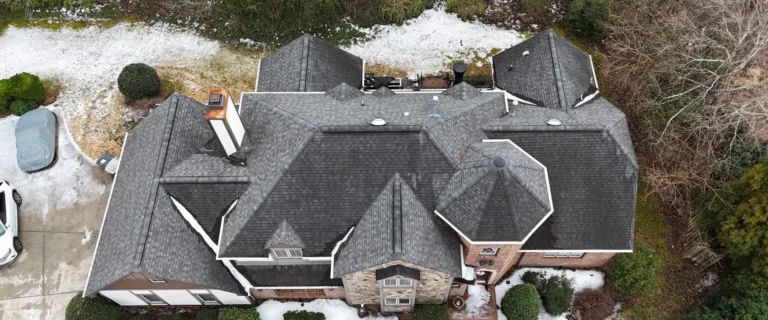
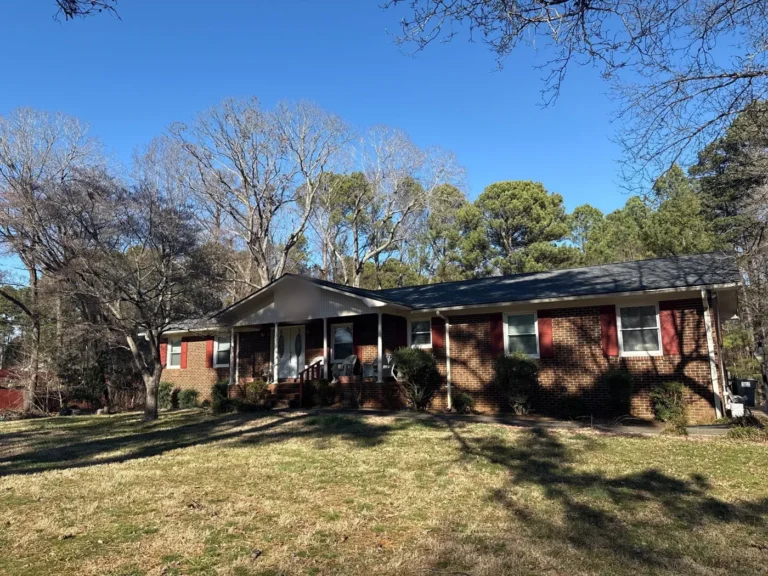
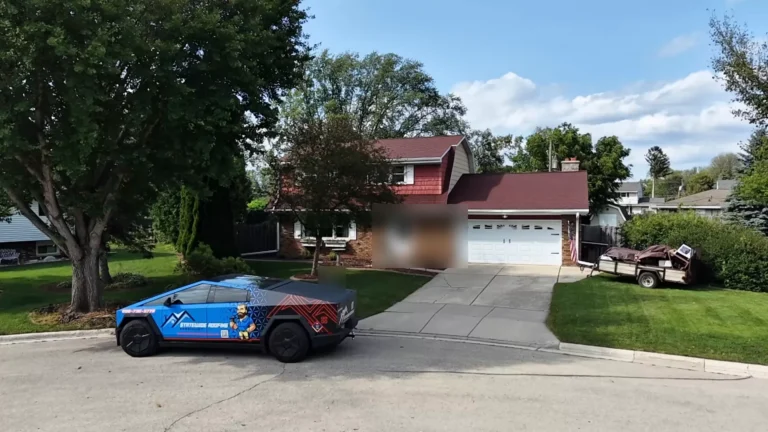
Green Bay Hail Damage Roof Replacement: GAF Timberline HDZ in Barkwood


Roofs are like shields, protecting us and our belongings from the extremes of weather. While they stand resiliently over our heads, it is a crucial responsibility to ensure they remain in...
KEY TAKEAWAYS Inspect your roof twice a year and after major storms.Keep gutters, downspouts, and roof drainage areas clear.Trim overhanging branches to reduce debris and...
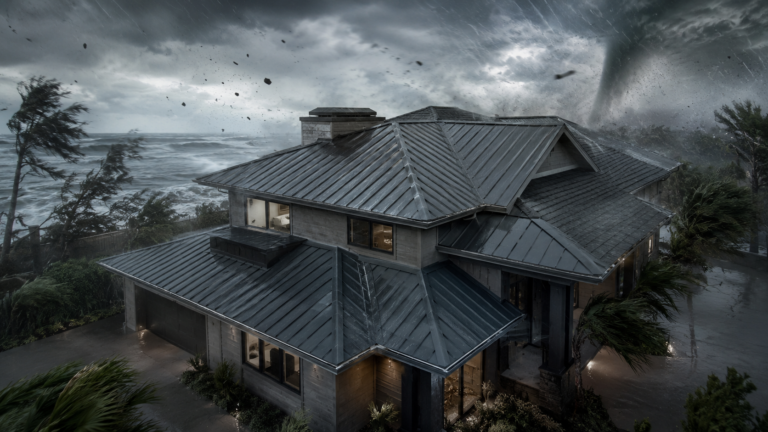
Key TakeawaysMetal roofing is the top choice for hurricane-prone areas, rated to resist winds up to 140 mph.Standing-seam metal roofs outperform exposed-fastener systems in high-wind...
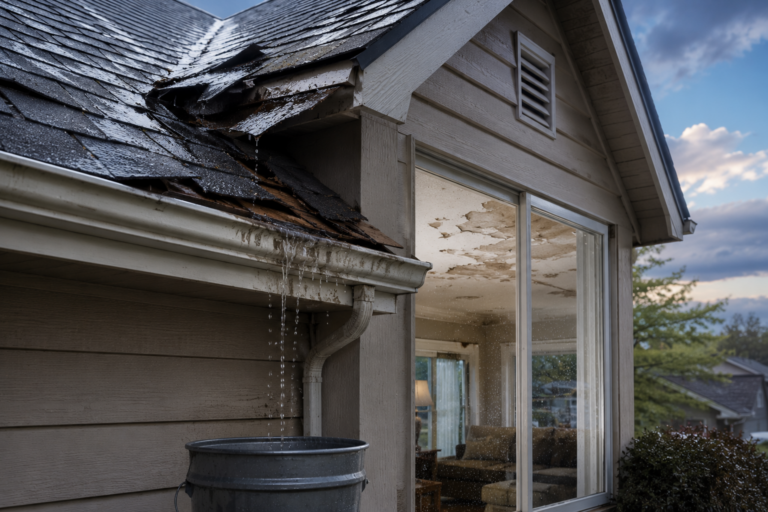
Key TakeawaysEarly warning signs of a roof leak include ceiling stains, musty odors, peeling paint, damaged shingles, cracked flashing, clogged gutters, and deteriorated pipe boots.Taking...
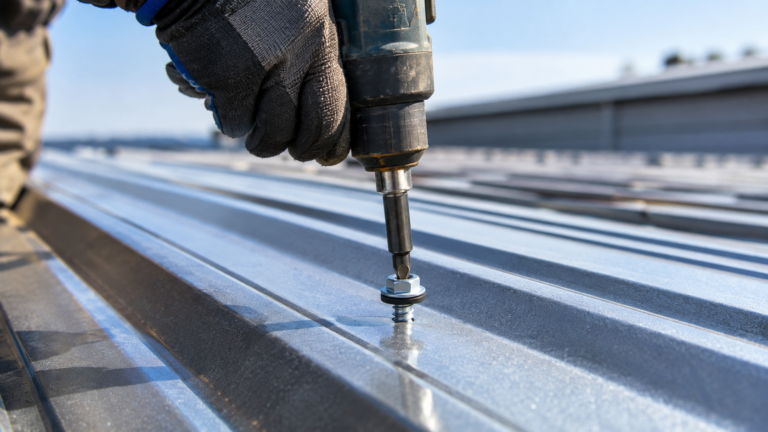
Key Takeaways One wrong screw can create a leak: Learn why screw angle, depth, and washer compression matter more than they seem. Spacing isn’t the same on every metal roof: Find...

When it comes to cleaning your gutters, you want to be sure you are doing it correctly. This will ensure that the gutters get cleared of any leaves or other gross stuff that may be hanging out in...

Asphalt shingles are the most common roofing material in the US. They can be divided into two prominent (and most common) categories: Organic and Fiberglass. But before we discuss the types, and pros...
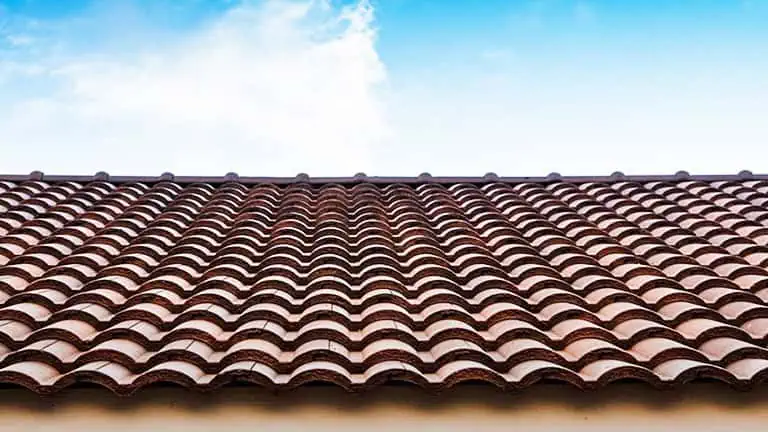
If you're in the market for a new shingle roof, you may wonder how long they'll last. The truth is that there's no hard-and-fast rule on how long your shingles will last, but there are some things...

Fire-resistant roofing materials are designed to withstand flame and heat but not completely stop them. They're used in places with a high risk of wildfire, including large cities with many wooden...

You chose metal roofing, expecting lower electricity bills and better insulation, unaware that without proper ventilation, metal roofs can trap heat, humidity, and even cause water damage. That’s...