Oct 13, 2026
Green Bay Hail Damage Roof Replacement: GAF Timberline HDZ in Barkwood



KEY TAKEAWAYS
|
You may not think much about your roof until you notice a leak, missing shingles, or a water stain on your ceiling. Then the questions start: How much longer will my roof last? Do I need to replace it, or can a few repairs keep it going? And what should I be doing to prevent bigger problems?
The answer to these questions depends on your roofing material, weather exposure, installation, and roof maintenance.
In this guide, you’ll learn how long different residential roofs typically last, what can shorten their lifespan, how to maintain them, and which signs mean your roof needs attention.
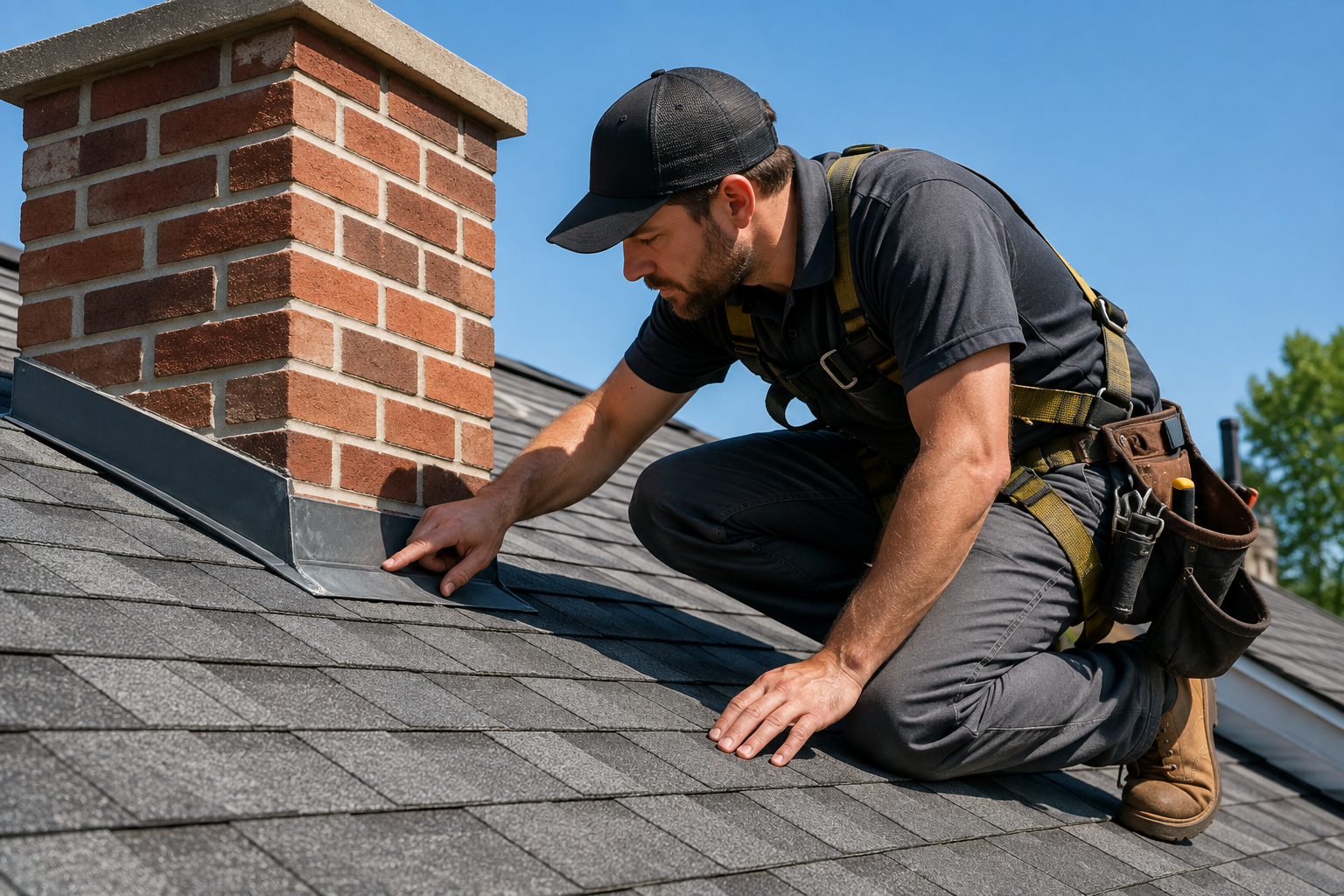
Regular roof maintenance helps identify minor problems before they lead to leaks, structural damage, or premature roof replacement. These practical steps can help keep a residential roof in good condition for longer.
Check your roof at least twice a year and after major storms. Look for missing, cracked, curling, or damaged shingles, as well as areas where the roof surface appears uneven.
Remove leaves, dirt, and other buildup so rainwater can drain properly. Clogged gutters can cause water to back up against the roof and damage fascia, soffits, and other areas.
Keep branches from rubbing against the roof or hanging directly above it. Trimming them back can reduce falling debris, physical damage, and excess shade that encourages moss or algae growth.
Clear leaves, twigs, and other debris from the roof, particularly around valleys and areas where debris tends to collect. Trapped debris can hold moisture against roofing materials and contribute to deterioration.
Look for green or dark growth on shingles, especially in damp or shaded areas. Address it with a roof-safe cleaning method rather than pressure washing, which can damage shingles and remove protective granules.
Check the flashing around chimneys, skylights, vents, and roof edges for gaps, corrosion, or signs of movement. Damaged flashing can allow water to enter areas that are difficult to detect from inside the home.
Inspect the rubber or synthetic seals around plumbing vent pipes for cracking, shrinking, or deterioration. Damaged boots should be repaired or replaced before they become a source of roof leaks.
Look for water stains, damp insulation, mold, musty odors, or daylight coming through the roof decking. These signs can indicate a roof leak or ventilation problem that needs attention.
Make sure intake and exhaust vents are not blocked by insulation or debris. Adequate airflow helps control attic heat and moisture, reducing problems such as condensation and premature roofing deterioration.
Have a qualified roofing professional inspect the roof when you notice damage, after significant weather events, or as the roof gets older. A professional inspection can identify problems that may not be visible from the ground.
Regular inspections and basic maintenance can help catch roof problems early, but any damaged flashing, leaks, structural issues, or unsafe roof areas should be evaluated by a qualified roofing professional.
A residential roof typically lasts 15 to 100+ years, depending on the roofing material, climate, installation quality, and maintenance. Some roofing systems need replacement within a few decades, while materials such as slate can last for a century or longer.
| Roofing Material | Typical Lifespan | Key Consideration |
| 3-Tab Asphalt Shingles | 15–20 years | Affordable, but generally less resistant to severe wind and weather exposure. |
| Architectural Asphalt Shingles | 25–30 years | Thicker and more durable than standard 3-tab shingles. |
| Metal Roofing | 40–70 years | Performs well against rain, wind, fire, and long-term weather exposure. |
| Clay or Concrete Tiles | 50–100 years | Highly durable, although the underlayment may need attention before the tiles themselves. |
| Wood Shingles or Shakes | 20–40 years | Can last for decades with proper cleaning, treatment, and moisture control. |
| Slate Roofing | 75–150+ years | Natural stone roofing with exceptional longevity when properly installed and maintained. |
Roofing material, installation quality, and ongoing maintenance are three key factors that influence how long a roof performs. The National Roof Certification and Inspection Association (NRCIA) notes that different roofing materials have different service lives and that proper maintenance can help maximize a roof’s lifespan.
NRCIA also emphasizes keeping the roof waterproof and addressing leaks to maintain its condition. This reinforces the importance of routine maintenance and timely repairs in protecting a roof over the long term.
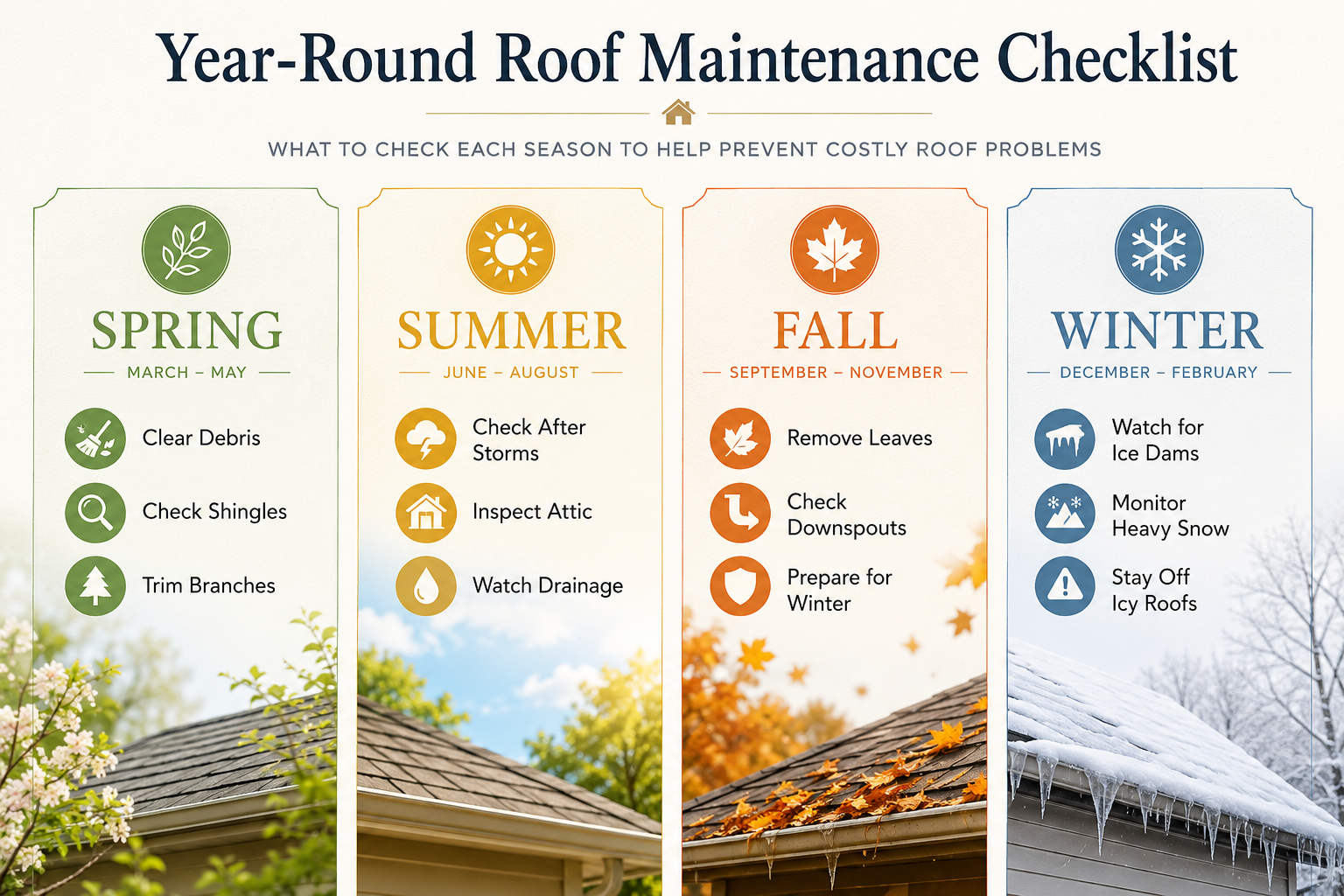
Seasonal roof maintenance helps homeowners address weather-related risks before they become expensive problems. Use this checklist to focus on the roof issues most likely to occur throughout the year.
The right seasonal task depends on the weather your roof has recently experienced. Focus on removing debris in spring and fall, checking for storm damage in summer, and monitoring snow, ice, and moisture during winter.
A residential roof can last for decades or even more than a century, depending on the material, installation, weather exposure, and maintenance. Regular inspections, seasonal care, proper ventilation, and timely repairs can help extend its service life and prevent costly damage.
If you’re unsure whether your roof needs maintenance, repair, or replacement, we can help. Visit Statewide Roofing Specialist or call us at 336-936-5245 to learn more about professional roofing inspections, repairs, and replacement services for your home.
A residential roof lasts 15 to 150 years depending on the material. Asphalt shingles typically last 20–30 years, while metal, tile, and slate roofs can last 50-150 years with proper maintenance.
Replace your roof when it exceeds its expected lifespan, when damage covers 30% or more of the surface, when leaks recur despite repairs, or when your insurer flags its age or condition.
UV rays, heat, freeze-thaw cycles, and heavy rain gradually break down roofing materials. The NRCA notes that climate conditions alone can cause roof lifespan to vary by as much as 40%.
Inspect twice yearly, clean gutters regularly, remove debris promptly, seal flashing, control moss growth, and ensure proper attic ventilation. These habits alone can add 8 or more years to your roof’s life.
Regular inspections, gutter cleaning, debris removal, flashing checks, moss treatment, and attic ventilation are the most effective maintenance tasks. Small, consistent upkeep prevents the damage that leads to early replacement.
The NRCA recommends inspecting your roof at least twice a year — once in spring and once in fall, plus after any major storm to catch damage early.