Oct 13, 2026
Green Bay Hail Damage Roof Replacement: GAF Timberline HDZ in Barkwood



Key Takeaways
|
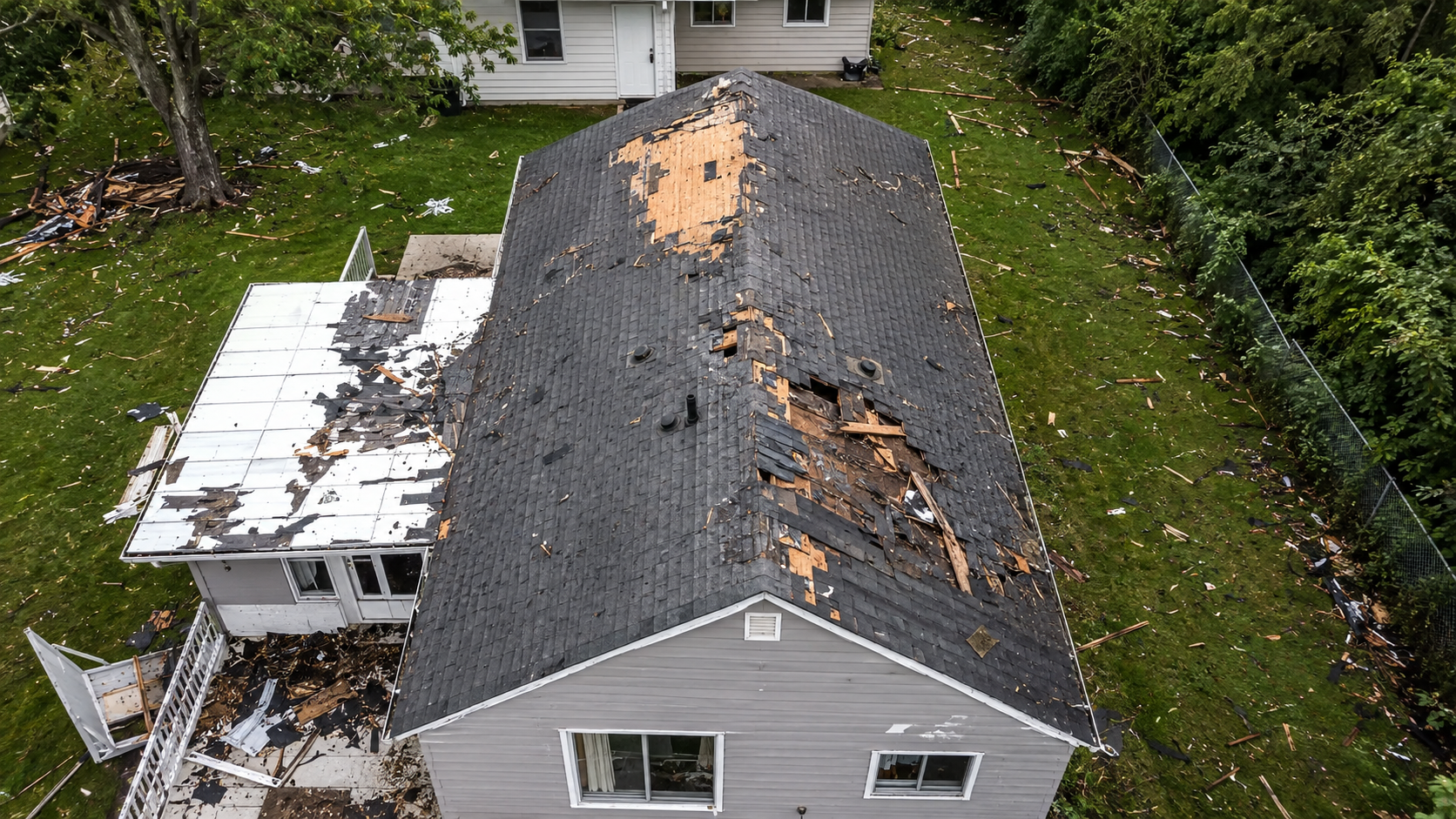
Standing outside after a tornado, staring at missing shingles and debris on your roof, it’s hard to know what to do first. Should you call your insurance company? A roofer? Or is it safe to inspect the roof yourself?
Those first few decisions matter. Acting too quickly can put you at risk, while waiting too long can allow hidden roof damage to turn into costly leaks and structural problems.
Appleton homeowners know tornadoes aren’t just a possibility. On April 27, 1984, an EF4 tornado tore through the Fox Valley, striking northwest Appleton and causing roughly $15 million in damage (adjusted to today’s dollars), according to the National Weather Service Green Bay office.
Knowing what to do, and in what order, can help you protect your family, prevent additional damage, and make the insurance process much smoother. That’s exactly what this guide covers, walking you through each step from the moment the storm passes to getting your roof professionally repaired.
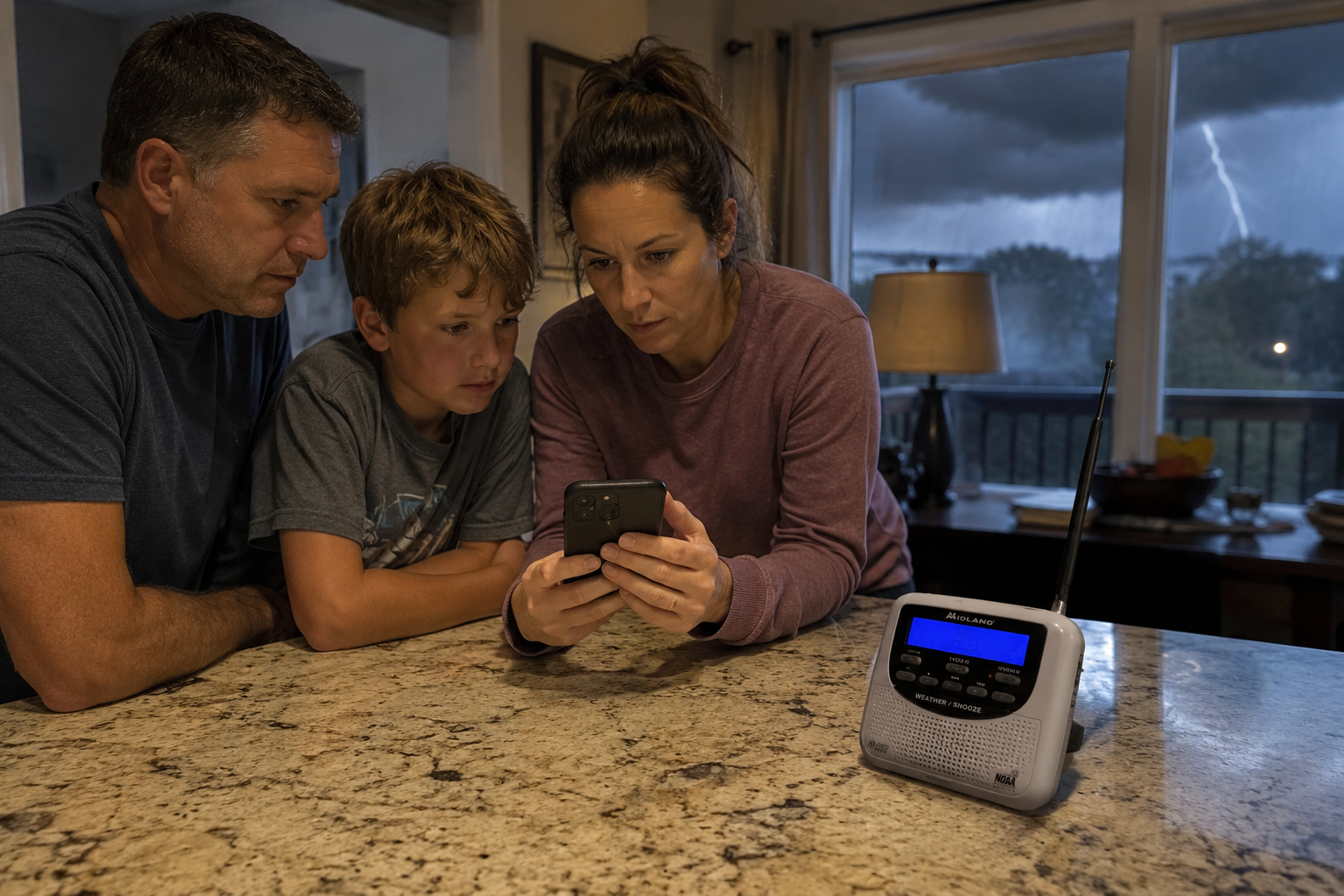
The moment the tornado threat has passed, your priority is safety, not your roof. The National Weather Service recommends these steps first:
Once you and your family are safe, consider submitting a storm report to the National Weather Service Green Bay office. This helps confirm the storm’s path for official records, useful for future reference and community preparedness.
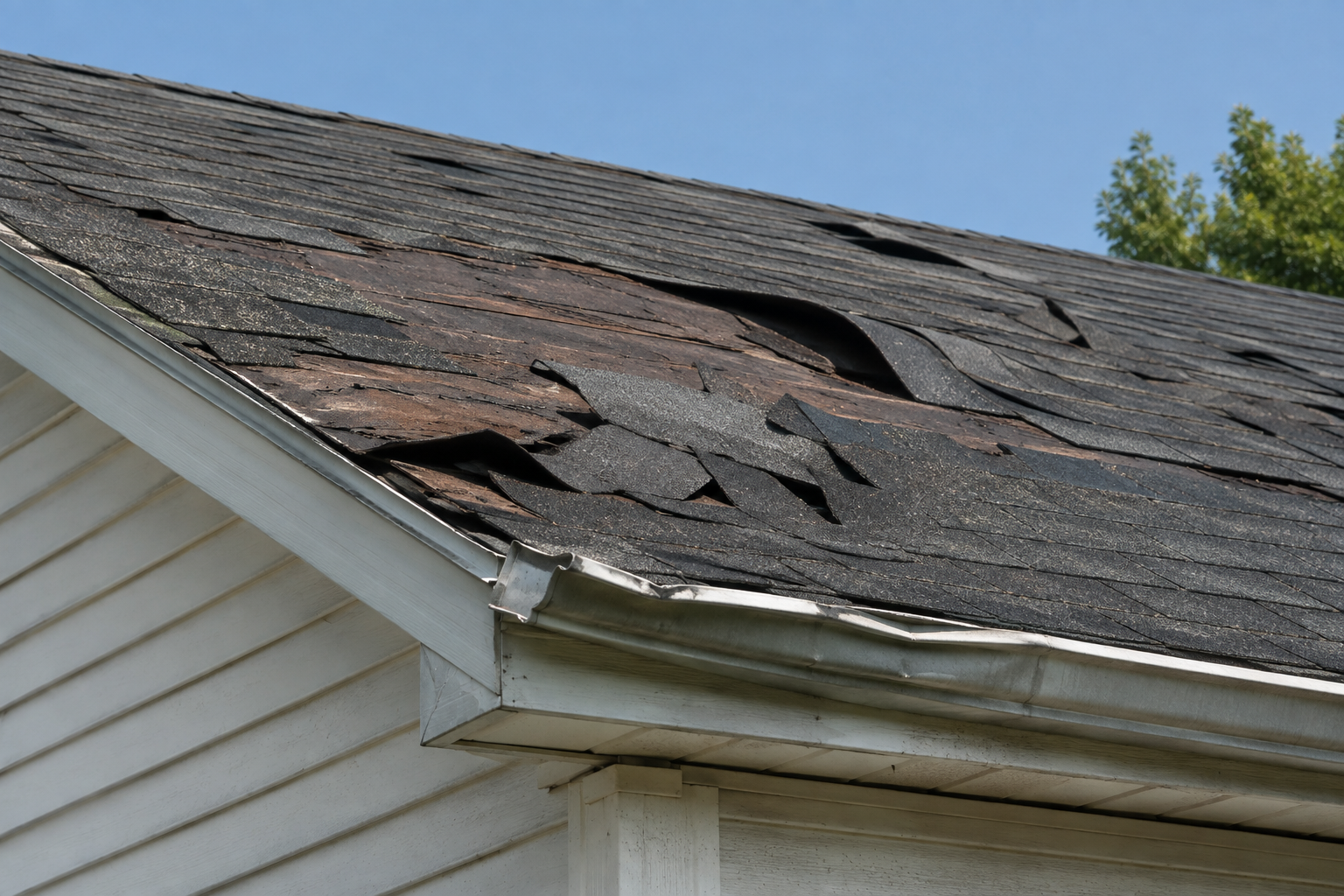
You can spot most tornado wind damage from the ground, no ladder required. Walk the perimeter of your home and look for these warning signs:
Quick reference: wind speed and typical roof damage
| Wind Speed | Classification | Typical Roof Impact |
| 39–54 mph | Gale-force wind | Shingles may lift or curl |
| 74+ mph | Hurricane-force wind | Shingles torn off, underlayment exposed |
| 111–135 mph | EF2 tornado | Roof decking damage, major shingle loss |
| 166–200 mph | EF4 tornado | Roof structure lifted, severe destruction |
Note: Wind speed classifications are based on the Enhanced Fujita (EF) Scale, the official tornado rating system used by the National Weather Service to classify tornadoes based on estimated wind speeds and observed damage.
No. A storm-damaged roof is often wet, weakened, and unsafe to walk on. Document what you can see from the ground or a window, and leave the close-up inspection to a professional roofer with the right safety equipment.
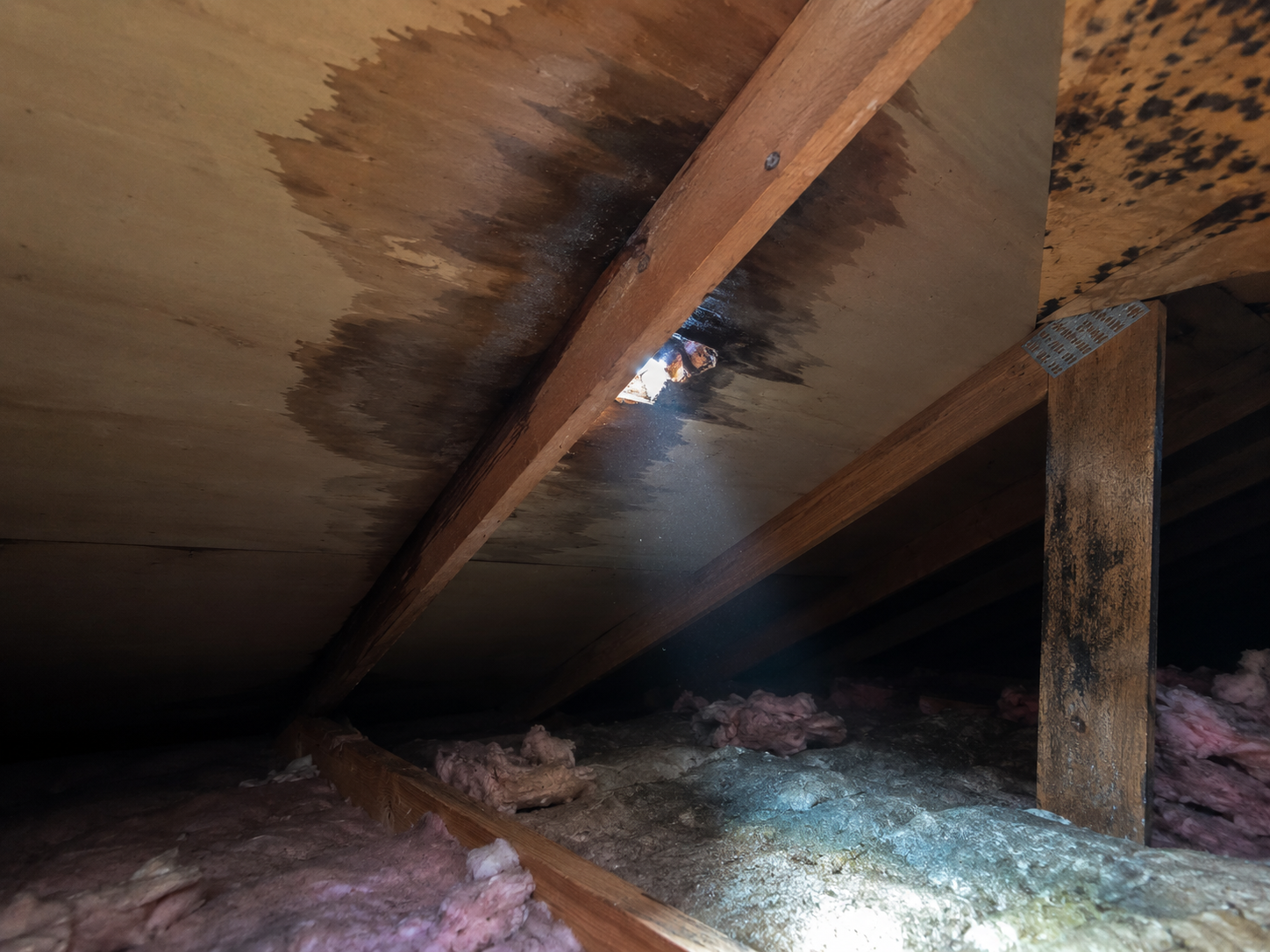
Yes, a roof can look fine from the ground and still be compromised underneath. High winds can break the seal between shingles without visibly displacing them, which means leaks can develop weeks later. Check inside your home for:
Wisconsin’s asphalt shingle roofs typically last 20 to 25 years, while metal roofing can last 40 to 50 years or more. Freeze-thaw cycles and heavy snow loads can shorten that lifespan further if storm damage goes unaddressed—one more reason hidden damage shouldn’t wait.
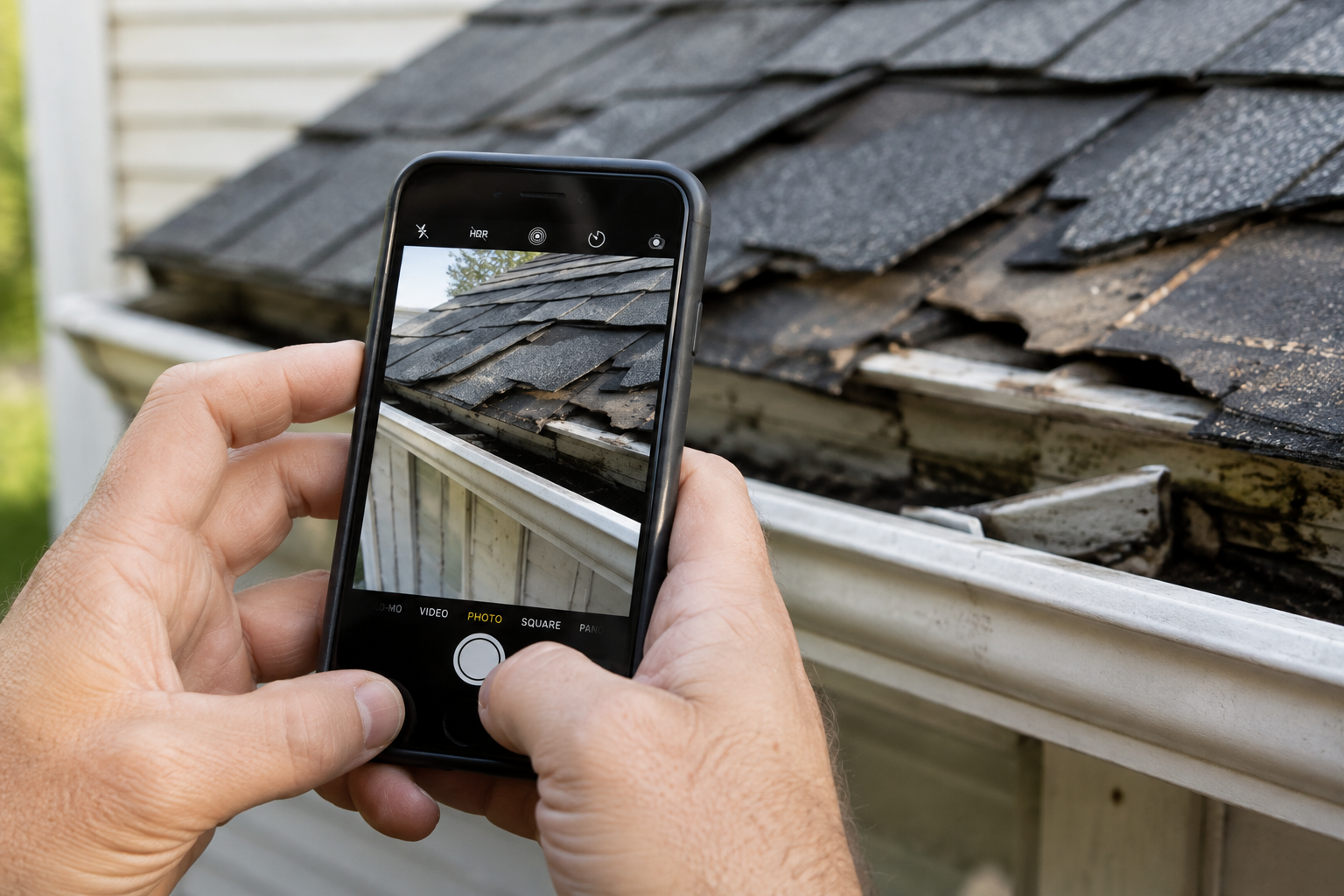
Thorough documentation now makes your insurance claim stronger later. Work through these two zones before anything gets moved or repaired:
Outside the home:
Inside the home:
Take more photos than you think you need, and timestamp them. Wide shots give context, close-ups show detail, and both matter for your insurance claim.
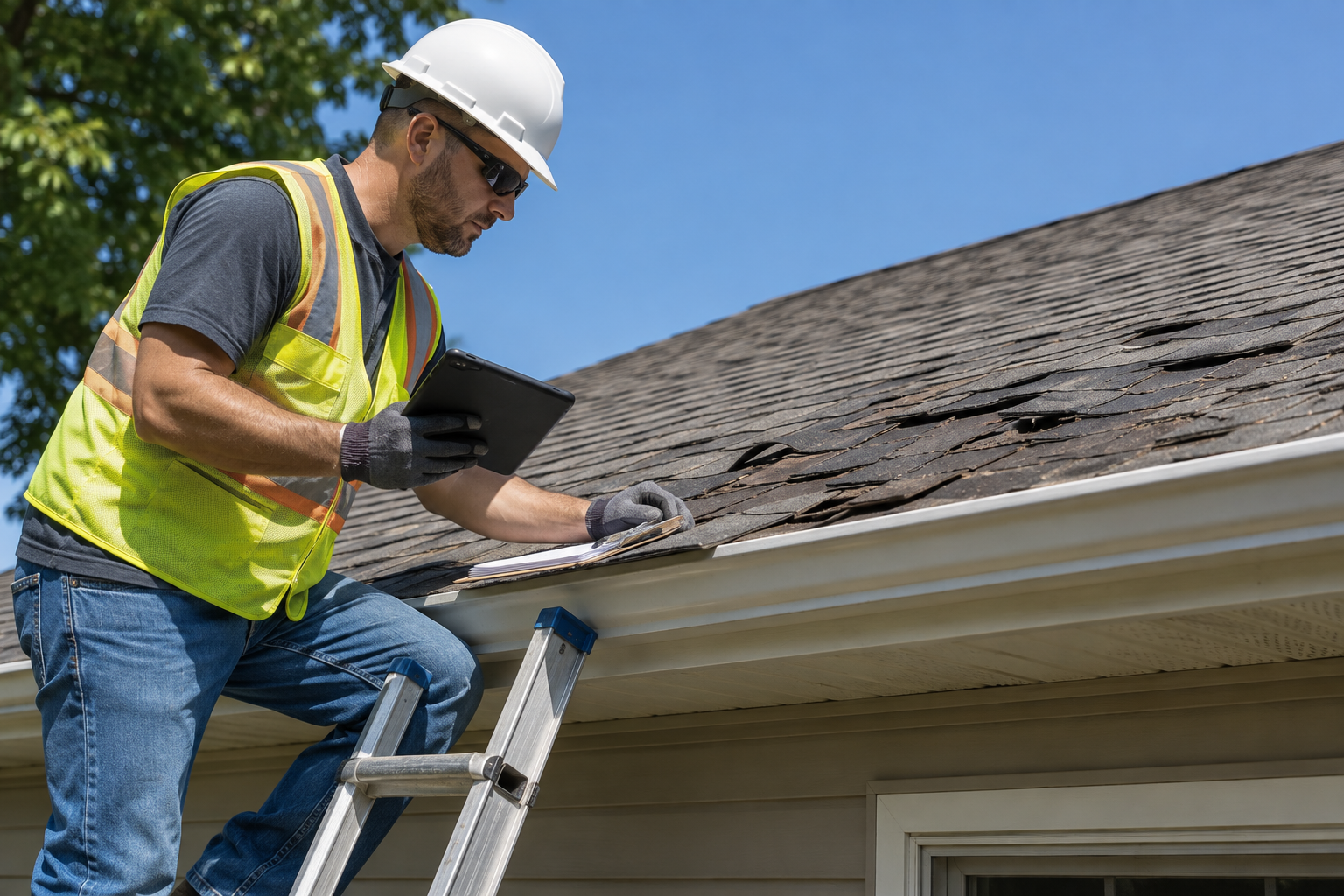
Call a licensed local roofer for an inspection before you file your insurance claim. A professional inspection report gives your insurance company documented proof of the damage, which strengthens your claim from the start.
Here’s how that process typically works with a full-service roofing contractor:
After a major tornado, out-of-town crews often go door to door offering fast, cheap repairs. The National Weather Service warns homeowners to be aware of insurance scammers after property damage. Stick with a licensed, local roofing contractor you can verify through local references, reviews, and business records.
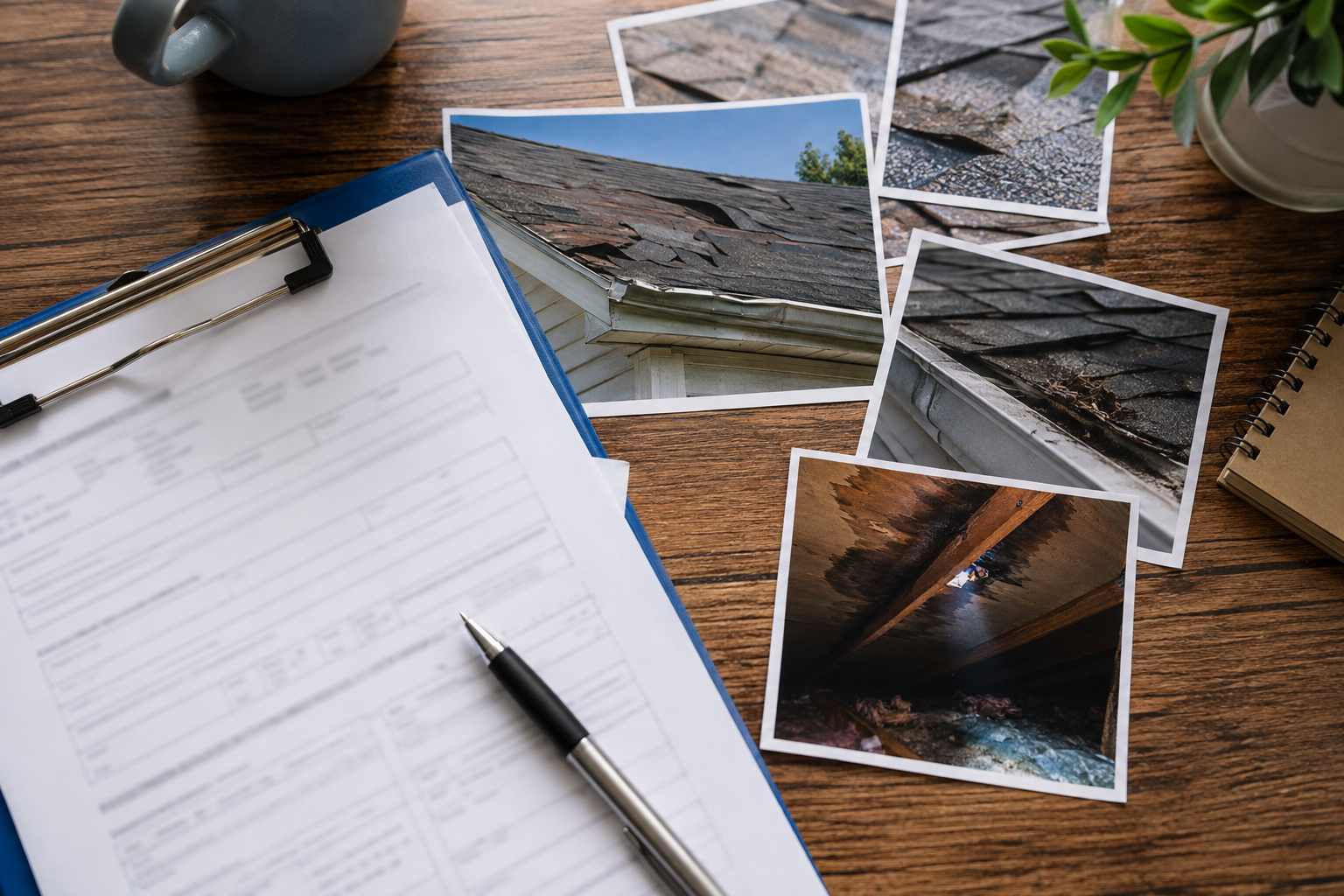
In most cases, yes, if the damage was caused by a covered event like wind, hail, or a fallen tree. Normal wear and aging typically aren’t covered, which is why a professional inspection report matters if you plan to file a claim.
| Damage Type | Typically Covered? |
| Wind-torn or missing shingles | Usually yes |
| Hail dents and granule loss | Usually yes |
| Fallen tree limb damage | Usually yes |
| Gradual wear or aging | Usually no |
| Pre-existing damage | Usually no |
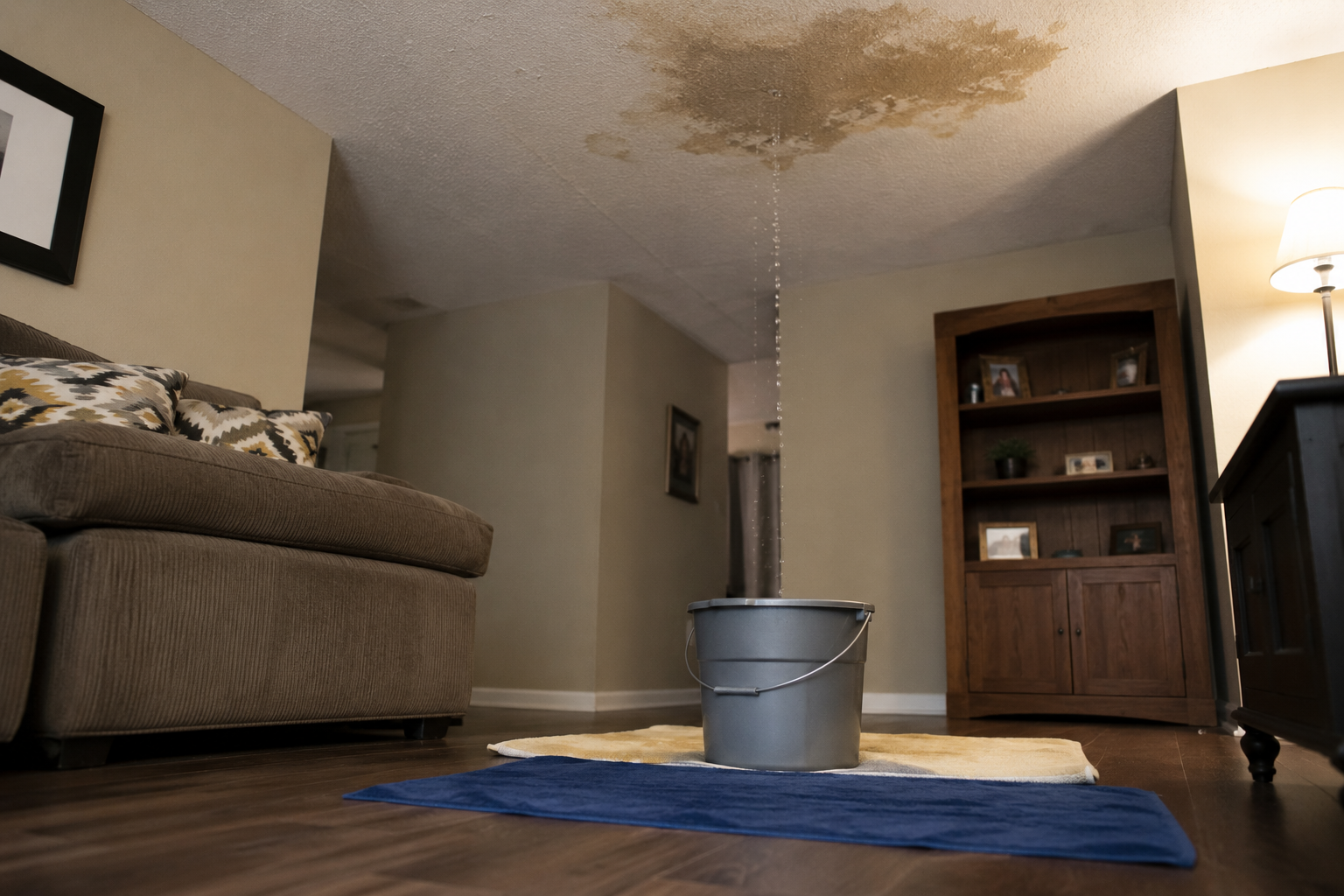
Very few. Your safest move is to protect the inside of your home without going up on the roof yourself:
Waiting too long to make it official creates real risk. Every additional rainstorm that hits an already-compromised roof can lead to mold growth, insulation damage, and interior structural problems, issues that cost far more to fix than the original roof repair.
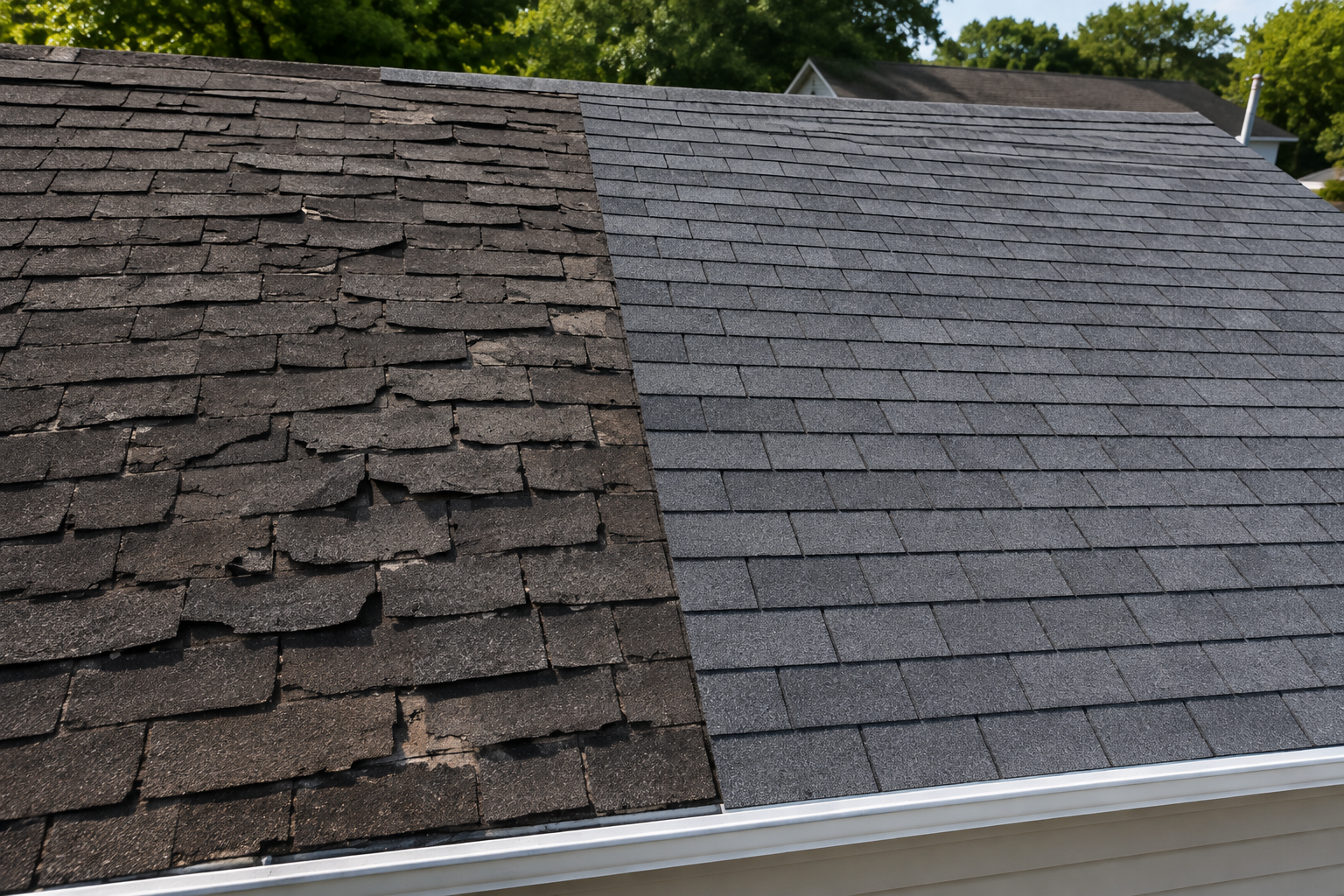
Don’t wait; book a professional inspection as soon as it’s safe. Roofs left exposed after a tornado are vulnerable to every follow-up storm, and Wisconsin’s freeze-thaw cycles make delayed repairs worse over time.
What Appleton homeowners typically pay for roof replacement:
| Project Scope | Average Cost Range |
| Roof replacement (Appleton, WI) | $8,500 – $19,000 |
Actual cost depends on roof size, material, and the condition of the decking underneath, a free on-site inspection gives you an accurate number.
Most residential roof replacements are completed in one to three days, weather permitting, though steep rooflines or multi-layer tear-offs can extend that slightly.
If tornado winds have damaged your roof, Statewide Roofing Specialist is ready to help. Our Appleton team offers:
Don’t wait for hidden damage to become a bigger problem. Call us for a free roof inspection.
Have questions about your roof after a storm? Give us a call; we’re here to help you get it right the first time.
Prioritize safety first. Stay indoors, monitor local news or NOAA Weather Radio, avoid damaged buildings, and report downed power lines before inspecting any roof damage yourself.
Yes, from the ground only. Look for missing shingles, granule loss, and displaced flashing. Never climb onto a storm-damaged roof, leave close-up inspection to a licensed professional roofer.
Usually yes, if wind, hail, or falling debris caused it. Normal wear and pre-existing damage typically aren’t covered. A professional inspection report strengthens your claim before you file.
Call a licensed roofer first. Their documented inspection report gives your insurance company proof of damage, strengthening your claim before an adjuster visit and speeding up approval.
Don’t wait. Exposed roofs risk leaks, mold, and interior damage with every follow-up storm. Schedule a professional inspection immediately, especially before Wisconsin’s freeze-thaw season worsens existing damage.