Oct 13, 2026
Green Bay Hail Damage Roof Replacement: GAF Timberline HDZ in Barkwood



Key Takeaways
|
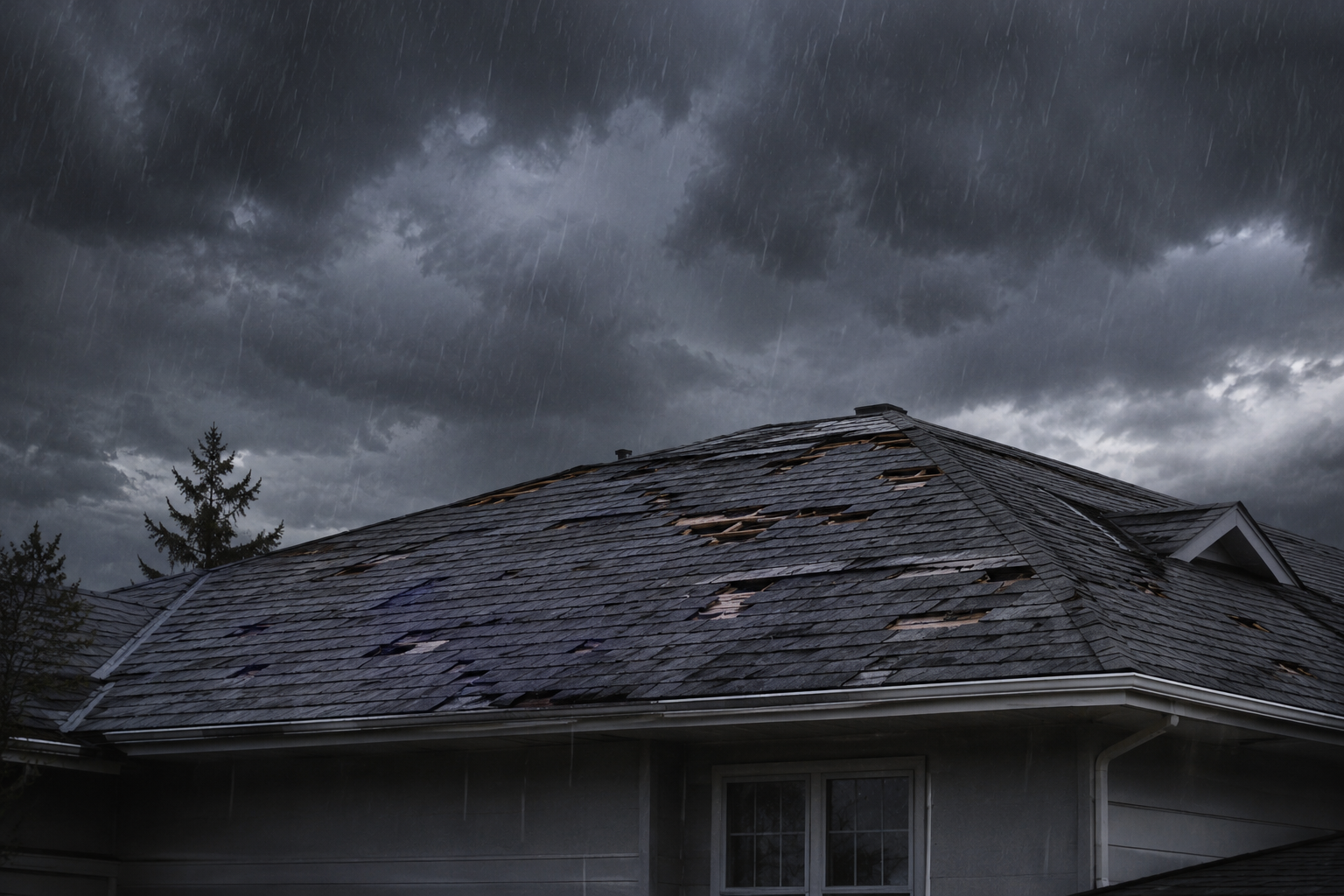
The storm just passed, and now there’s a wet stain spreading across your ceiling. Your heart sinks, and your first question is simple: what do I do right now? Wisconsin’s storm season brings hail, straight-line winds, and even tornadoes strong enough to strip roofs entirely, so knowing the right order of steps matters more here than in calmer climates.
This guide walks you through exactly what to do in the minutes and hours after you discover a roof leak from a Wisconsin storm, from immediate safety steps to when to call an emergency roofer.
Move fast on containing water damage inside your home, but never rush onto a wet, storm-damaged roof. The steps below are ordered by priority for a reason.
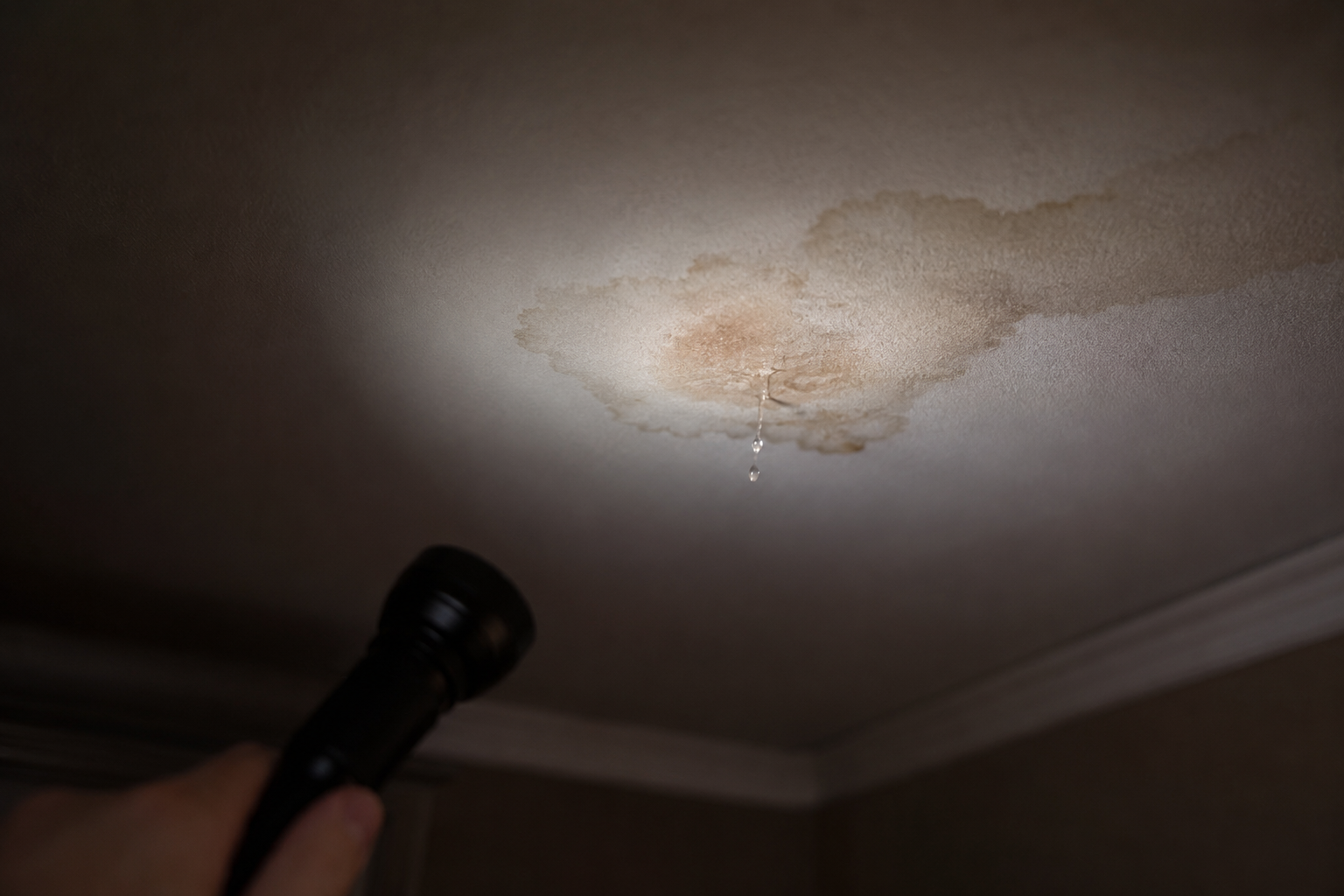
Your first move should always be protecting people, not the roof. Wisconsin sees severe storms often enough that acting fast and in the right order matters.
Start with these steps:
Wisconsin averaged nearly 23,000 severe weather events between 1955 and 2024, with severe weather season typically peaking in June and July, according to the Wisconsin State Climatology Office. The National Weather Service classifies a thunderstorm as “severe” once it produces wind gusts of at least 58 mph or hail an inch or larger in diameter, the kind of storm most likely to cause roof damage.
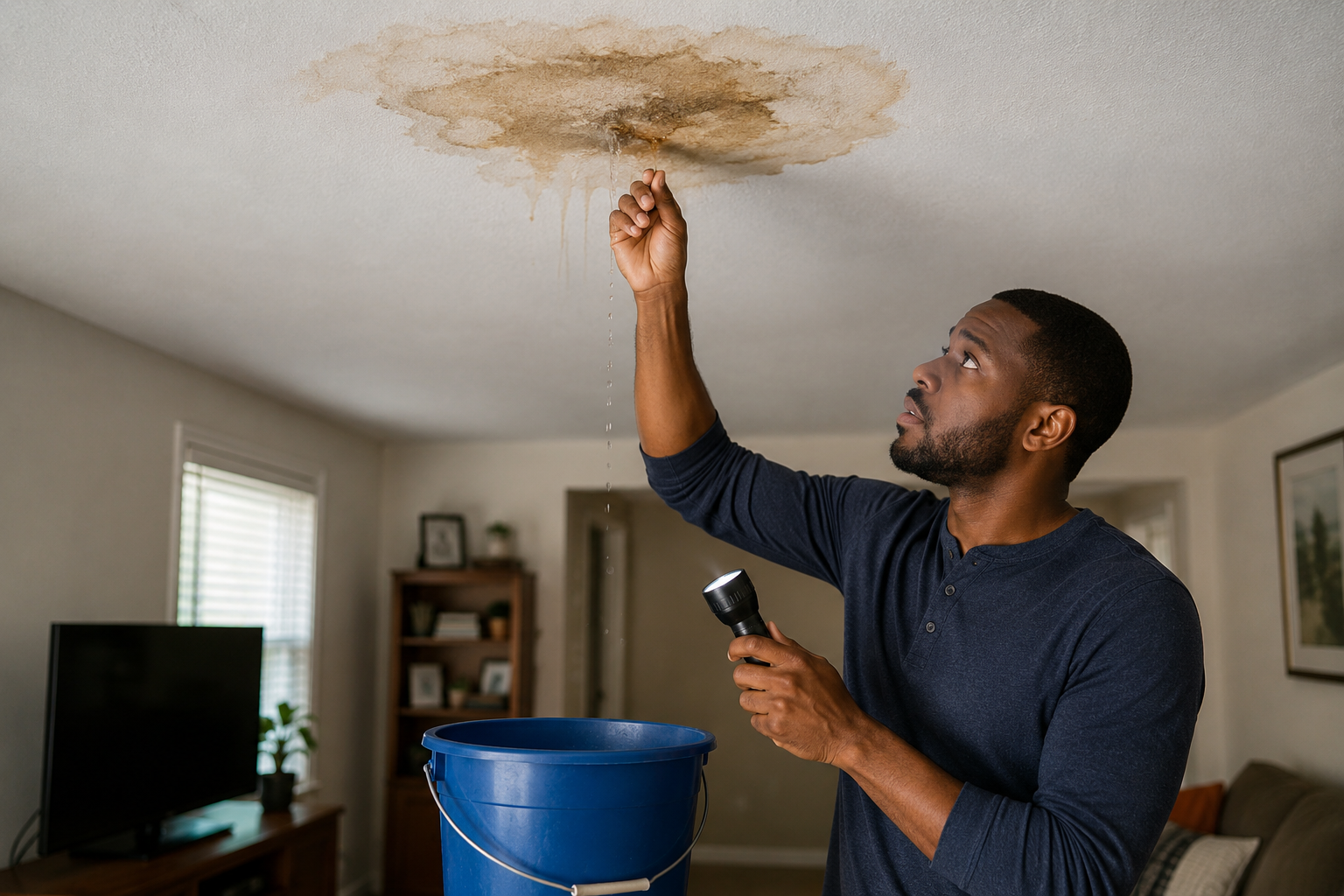
You can limit interior damage with a few simple containment steps while you wait for help. None of these requires going on the roof.
Inside your home, you should:
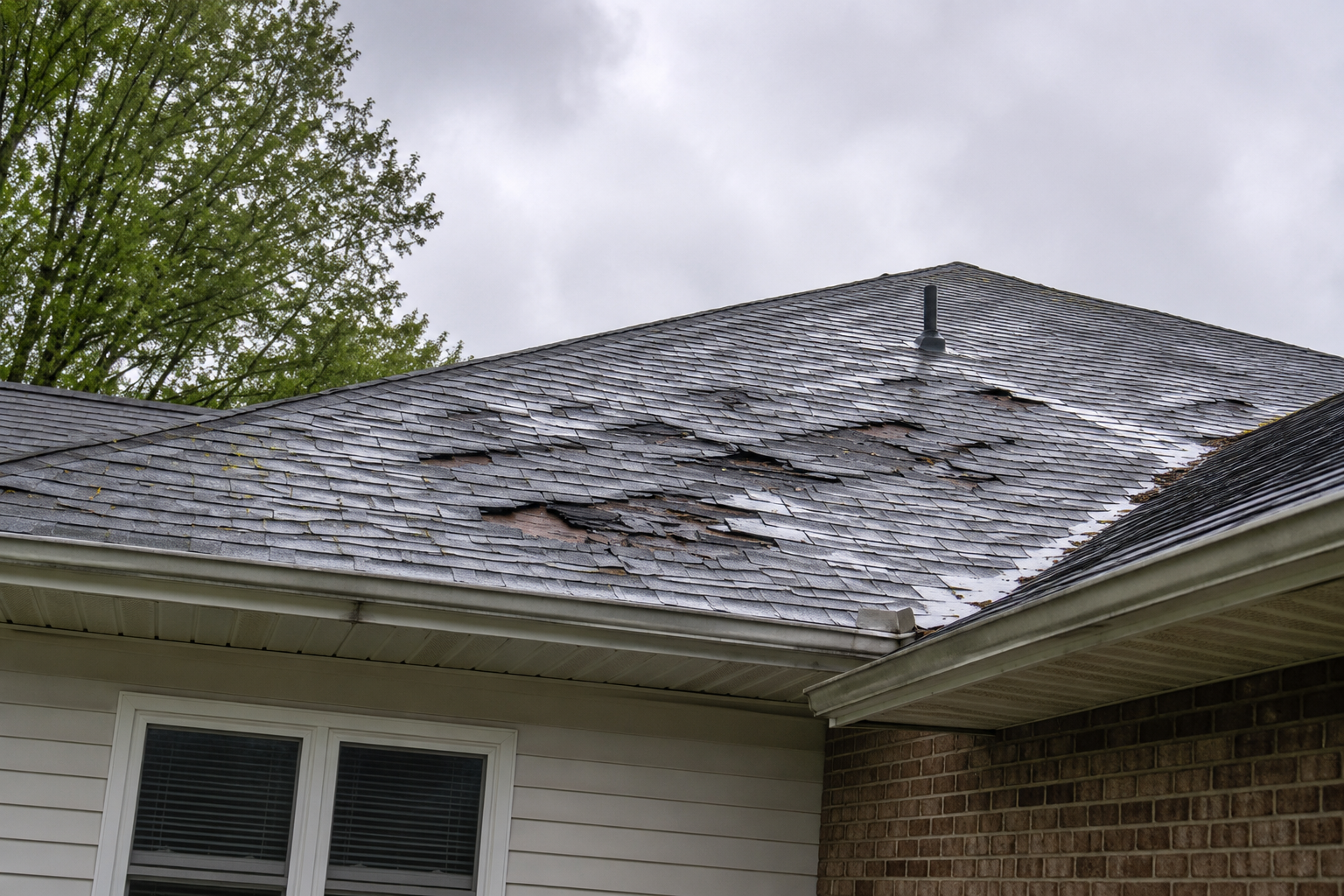
No, climbing onto your roof after a storm is one of the riskiest things a homeowner can do. Storm-damaged roofs are unstable, and Wisconsin’s recent storm history shows just how severe the damage can be.
Here’s why it’s not worth the risk:
A confirmed EF3 tornado, with estimated winds up to 140 mph, touched down near Appleton on July 27, 2026, and tracked into Fox Crossing and Menasha, damaging homes, businesses, and trees, according to the National Weather Service’s official storm survey, a clear reminder that storm-damaged structures in Wisconsin can be far less stable than they appear from the ground.
| Situation | Safe for a Homeowner? |
| Taking photos from the ground | Yes |
| Checking the attic for water entry | Yes, with caution |
| Climbing a ladder to inspect shingles | No |
| Walking on the roof surface | No |
| Removing debris from the roof | No — leave to professionals |
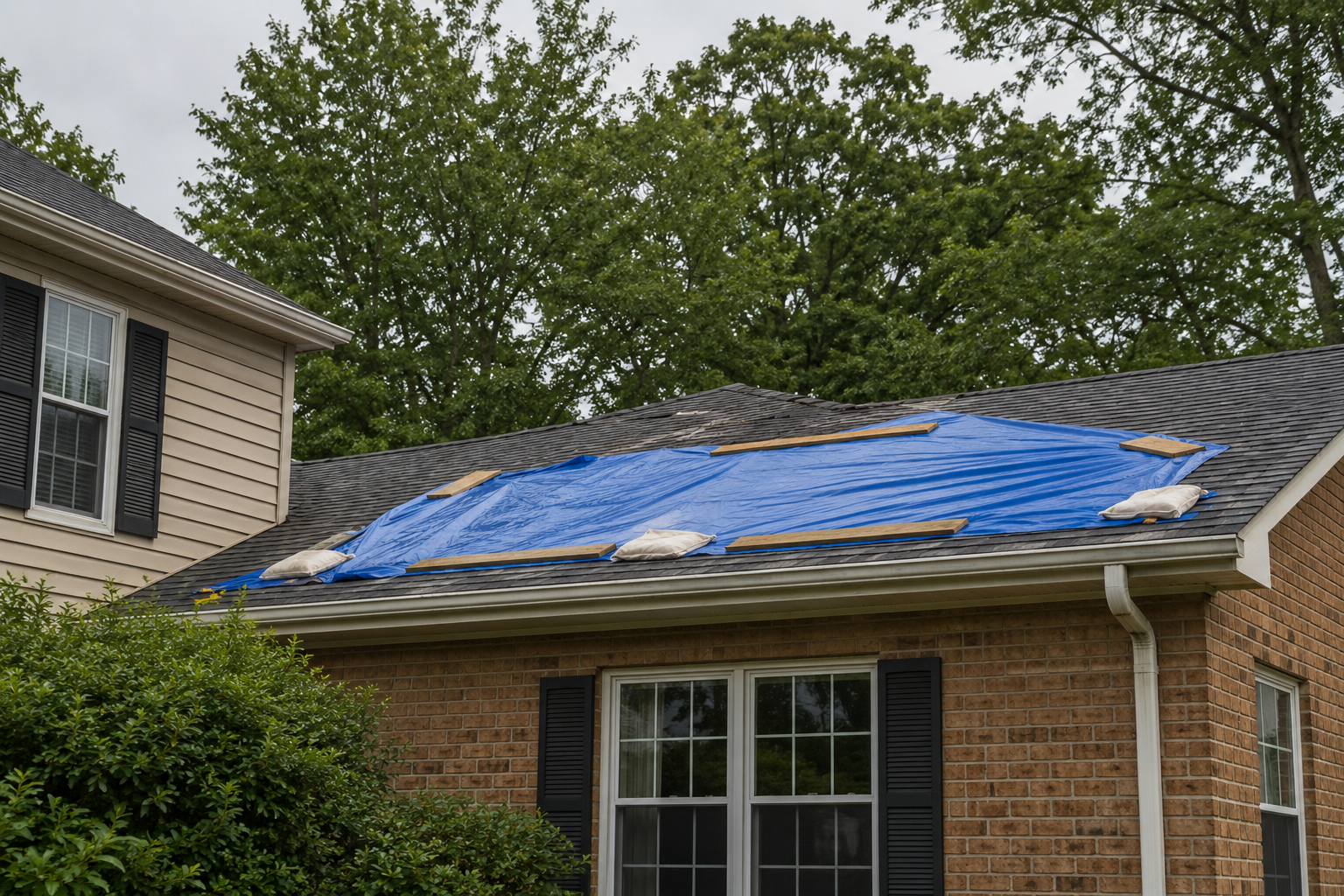
Roof tarping is a temporary, professional-grade cover that stops water intrusion until permanent repairs can be scheduled. It’s not a DIY project; proper tarping requires securing heavy-duty material without causing further damage.
You likely need tarping if:
A professional tarp job typically includes anchoring the material well past the damaged area, sealing edges against wind uplift, and securing it in a way that won’t cause additional nail holes in undamaged sections.
A properly installed tarp can hold up for several weeks if needed, but it’s still a temporary fix. Wisconsin’s freeze-thaw cycles and follow-up storms can wear down even a well-secured tarp faster than in milder climates, so permanent repairs should be scheduled as soon as materials and weather allow.
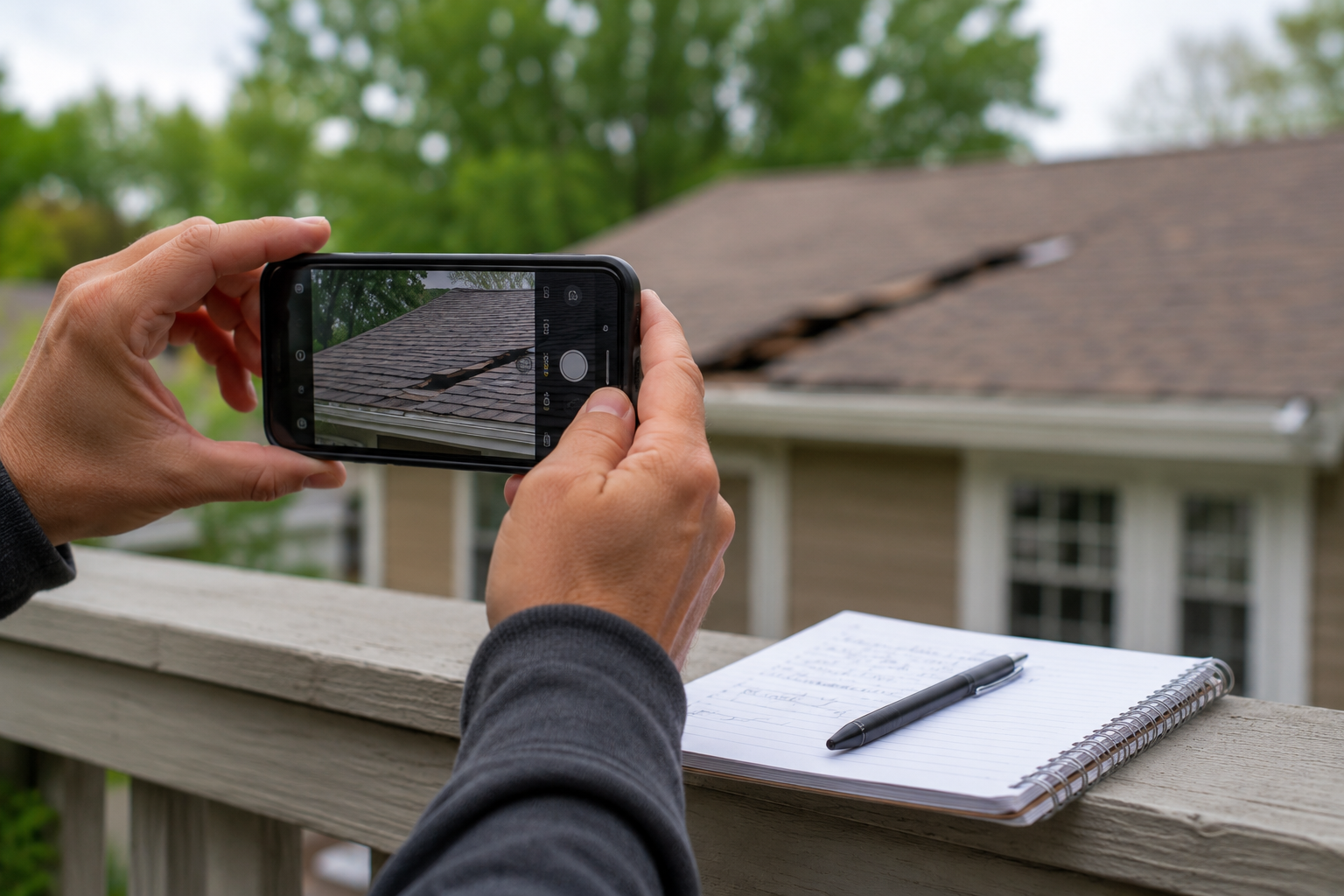
Good documentation, done immediately, makes your insurance claim faster and stronger. Insurers move through a fairly standard process, and photos from right after the storm carry more weight than anything gathered later.
To document damage properly:
Wisconsin’s Office of the Commissioner of Insurance recommends notifying your insurer right away, making a detailed list of all damaged items, photographing everything before cleanup begins, and holding onto damaged property until your adjuster has approved its removal, per the agency’s official storm damage guidance. If you ever run into problems with an agent, adjuster, or insurer during the process, OCI also takes complaints directly at 1-800-236-8517.

In most cases, yes, homeowners insurance covers storm-related roof damage, including reasonable emergency measures like tarping. Most policies actually require you to take reasonable steps to prevent further damage, which is exactly what emergency tarping does.
What’s typically covered:
What’s often not covered:
With GAF Master Elite Certification, a distinction held by the top 2% of roofing contractors nationwide, 10,000+ completed projects since 2012, workmanship warranties up to 25 years, documented drone inspections, three Angie’s List Super Service Awards, and 24/7 emergency response, Statewide Roofing Specialist provides the kind of documentation and drone-based inspection reports that insurance adjusters recognize and trust.
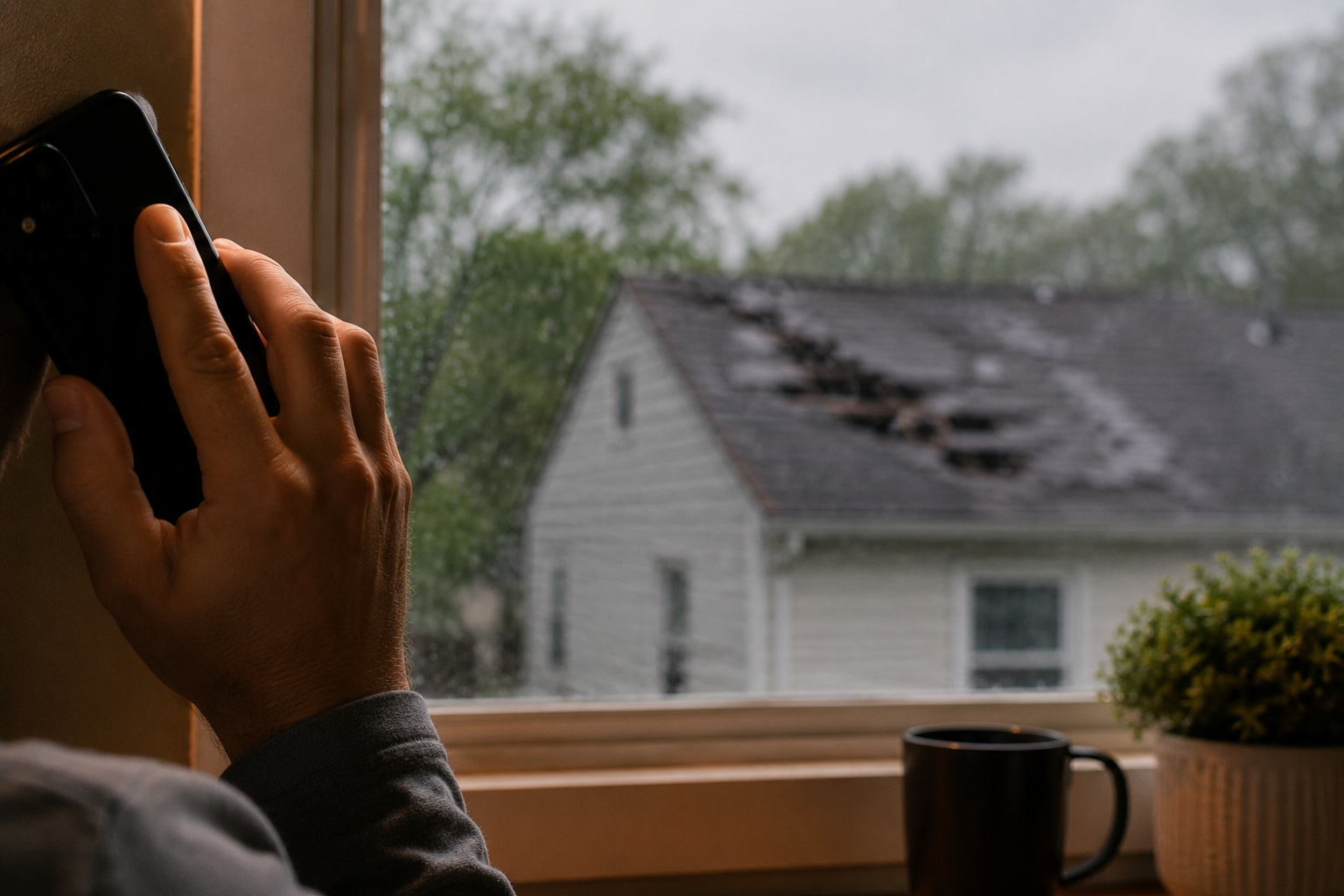
Call an emergency roofer immediately if water is actively entering your home or if you can see structural damage from the ground. Waiting even a day can allow a manageable leak to turn into a much bigger repair.
Call right away if you notice:
A shingle can look intact from the ground while its wind seal is already broken underneath, a weak point that fails in the very next storm. That’s why a hands-on professional inspection matters more than a quick look from the driveway, especially before the next round of severe weather moves through.
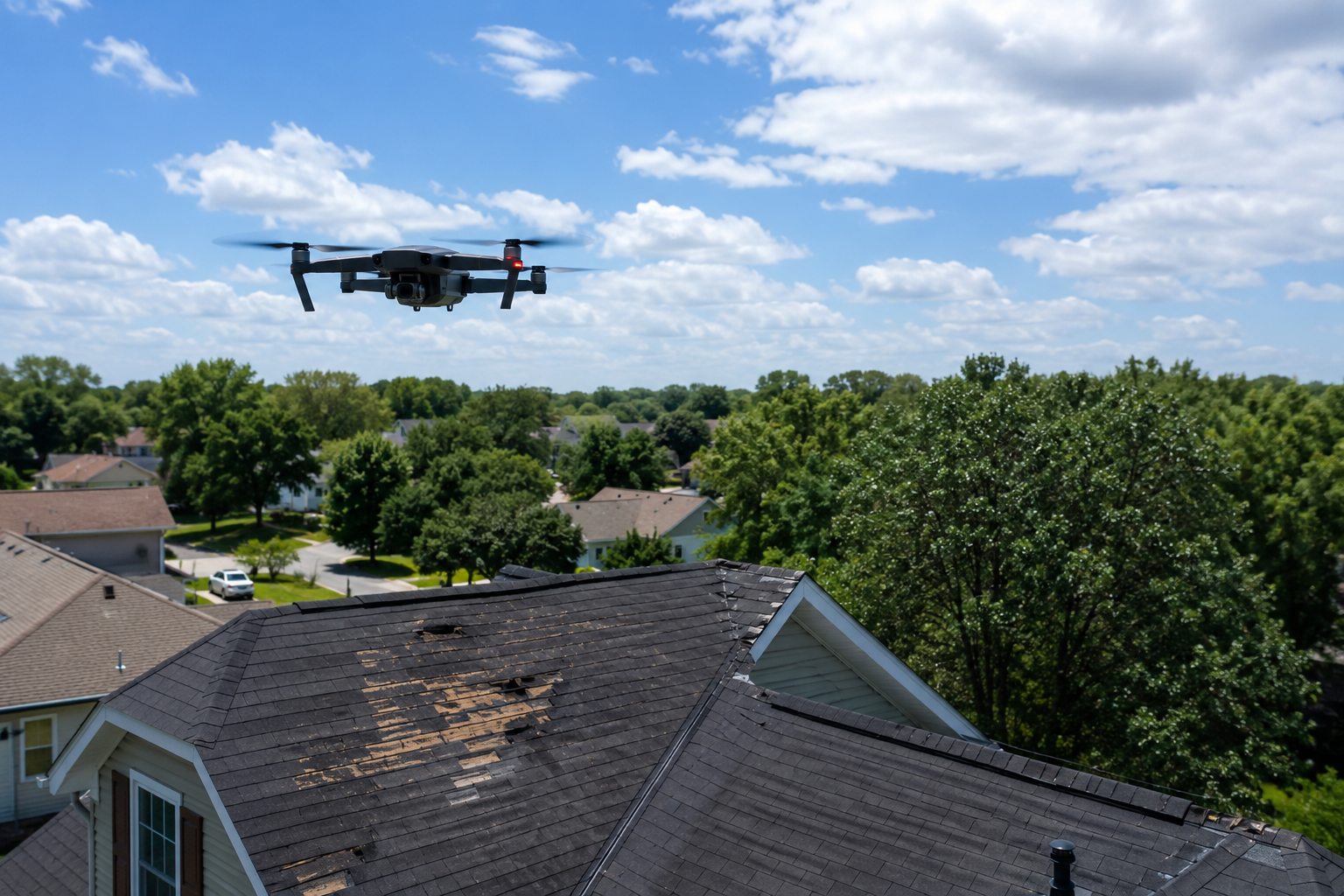
Once the immediate emergency is handled, the focus shifts to a full inspection and permanent repair plan. This is where a tarp gets replaced with a lasting fix.
The typical next steps are:
A leaking roof after a Wisconsin storm can quickly lead to costly structural damage, mold growth, and insurance complications if left untreated. Acting within the first 24 hours helps protect your home and strengthens your insurance claim with timely documentation.
Statewide Roofing Specialist provides 24/7 emergency roof tarping, documented drone inspections, and expert storm damage assessments across Wisconsin. Our experienced team responds quickly, documents damage thoroughly, and delivers reliable repair solutions to restore your roof and give you peace of mind.
Place a bucket under the leak, move furniture and electronics out of the way, and lay towels or tarps to protect your flooring. If a ceiling bulge is forming, carefully punch a small hole at its center to release trapped water in a controlled spot rather than letting it collapse on its own. Avoid climbing onto the roof itself; interior containment is the safe, effective option while you wait for help.
Common signs include missing or curling shingles, granules collecting in gutters, dented or cracked shingles from hail, exposed nail heads, and water stains spreading across ceilings or ceiling corners. Damaged flashing around chimneys and vents after high wind is another common warning sign. If you notice any of these after a storm, a professional inspection can confirm whether repairs are needed before the damage worsens.
Contact your insurance company as soon as possible, provide photos of the damage taken from the ground, and keep a written log of when the storm occurred and when you first noticed the leak. Wisconsin’s Office of the Commissioner of Insurance recommends holding onto damaged property until your adjuster has approved its removal, so avoid throwing anything away before it’s documented.
Yes, many roofing companies, including Statewide Roofing Specialist, offer 24/7 emergency response for storm-related roof damage. This typically includes emergency tarping to stop active leaks, followed by a full inspection and repair estimate once the immediate danger has passed.