Oct 13, 2026
Green Bay Hail Damage Roof Replacement: GAF Timberline HDZ in Barkwood



Key Takeaways
|
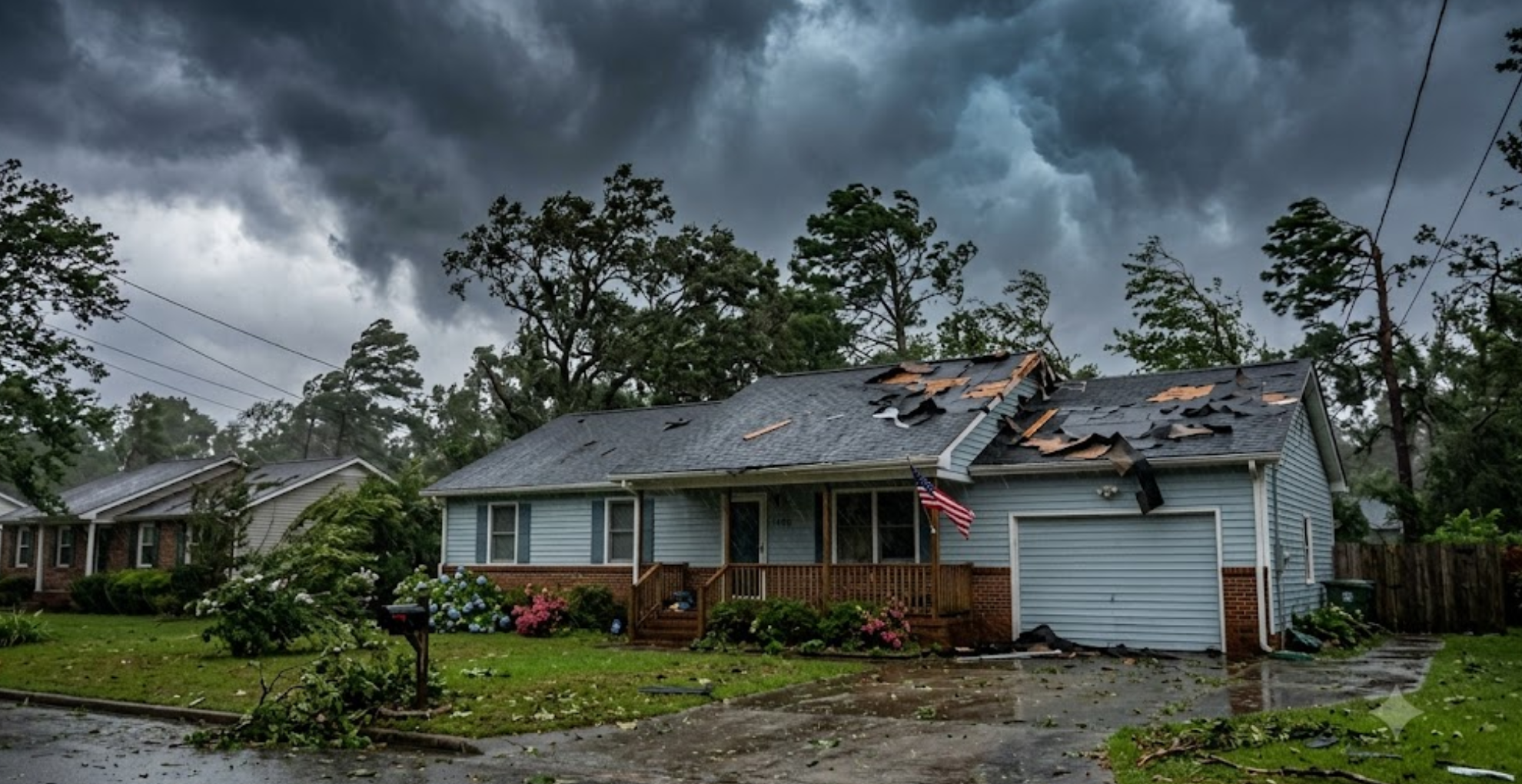
North Carolina homeowners live in one of the most hurricane-exposed regions in the United States. The state has a long history of hurricane impacts and billion-dollar weather disasters that continue to increase in frequency.
Key facts every homeowner should know:
Your roof is your home’s first line of defense against hurricanes, but high winds, heavy rain, and flying debris can expose even small vulnerabilities in the system.
That’s why evaluating roof condition before hurricane season is critical—waiting until visible failure occurs can leave limited time for safe and cost-effective solutions. Early inspections help identify whether minor repairs are sufficient or whether deeper structural issues may require replacement.
In this guide, we will cover the key signs your roof needs replacement before hurricane season, how to identify early warning indicators, and when repair is no longer enough to keep your home protected.

Hurricane season puts extreme pressure on roofing systems, and even existing weaknesses can become failure points under storm conditions.
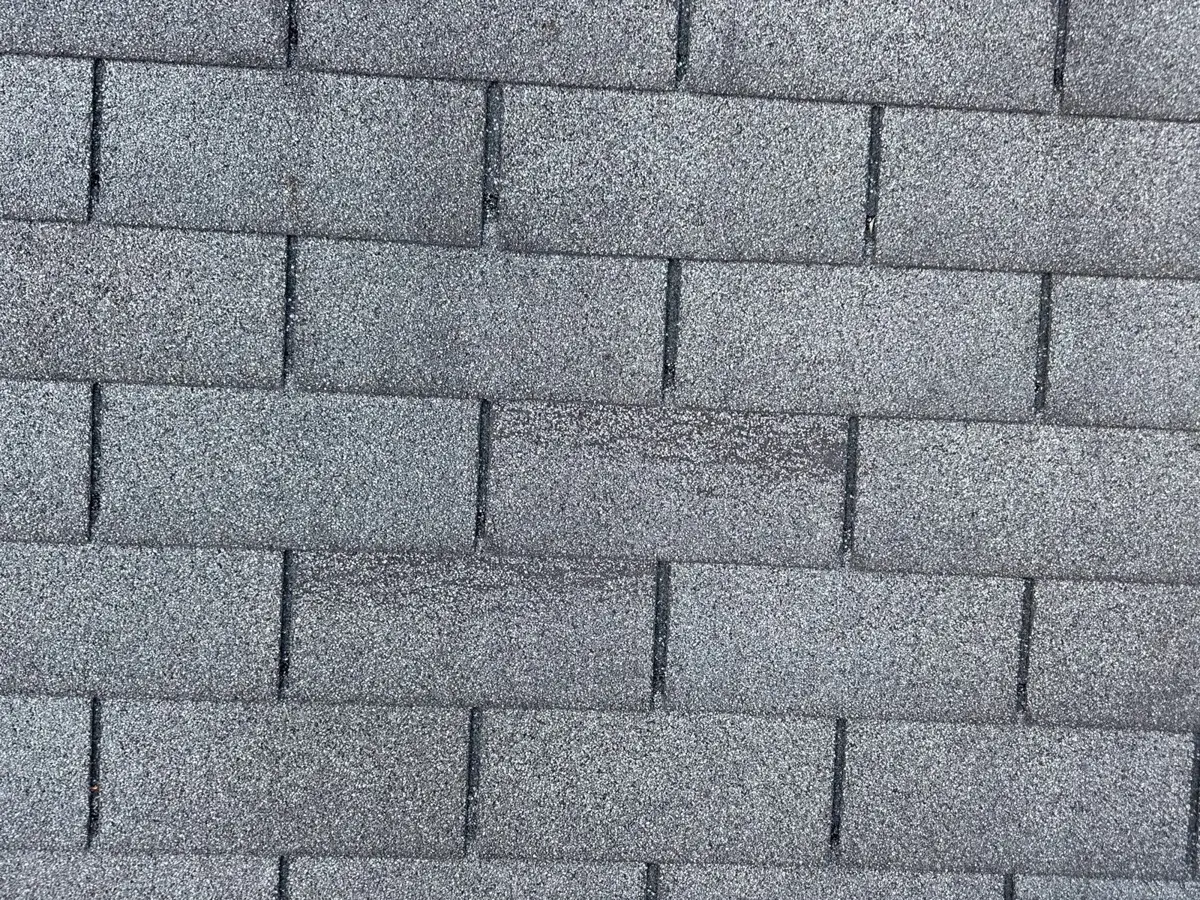
A roof does not fail suddenly during a hurricane. Instead, failure is the result of gradual material aging, environmental exposure, and repeated stress over time.
In high-risk regions like North Carolina, multiple warning signs occurring together often indicate replacement is safer than continued repairs.

Asphalt shingles are the most common residential roofing material, typically lasting 15–25 years depending on installation quality, maintenance, and weather exposure.
A standard asphalt roof consists of:
Over time, exposure to sun, rain, wind, hail, and hurricanes gradually breaks down these layers.
Thermal expansion and contraction from temperature changes also weaken adhesive sealants and reduce shingle flexibility. As shingles become brittle, their resistance to wind uplift and cracking decreases significantly.
👉 If your roof is over 20 years old, it should be professionally inspected before hurricane season—even if it looks intact.

Shingle deterioration is one of the earliest visible warning signs of roof failure.
Isolated issues may be repairable, but widespread damage across multiple roof sections usually indicates system-wide failure.
Shingle granules protect the asphalt layer from UV exposure and weather damage.
When granules begin to wear away:
Excess granules in gutters are a strong indicator that shingles are nearing the end of their life. Once this protective layer is gone, storm resistance drops significantly.

Water intrusion is one of the most serious indicators of roof system failure.
Warning signs include:
Moisture entering the roof system can quickly lead to insulation damage and wood weakening. In warm, humid conditions, mold growth can begin within 24–48 hours once moisture is present.
At this stage, the roof is no longer functioning as a sealed protective barrier.
Note: While not all water stains are due to roof leaks, it is important to have them inspected immediately.

Sagging is a structural issue, not a surface defect.
It occurs when the roof decking or framing weakens due to:
These conditions cause dips or uneven roof lines, signaling that the roofing system may no longer support its own weight properly.
👉 Sagging typically requires immediate inspection and often full replacement.
Flashing protects vulnerable roof joints around chimneys, skylights, and vents from water intrusion.
When flashing becomes loose or damaged:
Because these areas are high-risk, flashing failure often leads to accelerated roof breakdown.
If a roof requires repeated repairs, it may indicate systemic failure rather than isolated damage.
Over time:
In hurricane-prone regions, relying on a compromised roof increases the risk of sudden failure when severe weather hits.
Blistering occurs when moisture or trapped gases expand beneath the shingle surface, creating raised bubble-like spots. These blisters weaken the protective outer layer of the roof and can eventually burst, exposing the underlying material to UV damage and water intrusion. Blistering is often a sign of aging shingles or poor ventilation and should be evaluated before hurricane season.

These signs often appear later in the roof lifecycle:
Each of these suggests declining roof performance and potential hidden damage.

Not every roofing issue means immediate replacement, but hurricane conditions are different from normal weather. A roof that performs adequately in everyday rain may still fail when exposed to sustained high winds, pressure changes, and wind-driven debris.
The most important factor is not a single defect, but how multiple weaknesses interact under storm stress.
A roof becomes significantly more vulnerable when several issues appear at the same time, even if each problem seems minor on its own.
Common high-risk combinations include:
When multiple stress points exist, the roofing system loses its ability to distribute wind load evenly, increasing the likelihood of progressive failure during a hurricane.
Occasional leaks can sometimes be repaired effectively, but recurring water intrusion is often a sign that the roof’s protective layers are no longer functioning as intended.
At this stage, moisture may be affecting not just the surface, but also the underlayment and decking beneath it. This weakens the overall structure and increases the risk of widespread failure during prolonged storm rainfall.
When roof materials show aging across large sections rather than isolated spots, the system’s ability to resist hurricane-force winds declines significantly.
Widespread deterioration creates uneven surface strength, which allows wind pressure to lift and separate roofing components more easily. Once this process begins, damage can spread rapidly across the roof during a storm event.
Any indication of structural compromise—such as uneven roof lines, soft areas underfoot, or long-term sagging—suggests that the roofing system may no longer be structurally sound.
These conditions typically mean the issue is no longer limited to surface materials and may involve the roof deck or supporting structure. In hurricane conditions, this level of weakness significantly increases the risk of partial or complete roof failure.
A roof does not have to be completely failing to justify replacement. In many cases, the combination of advanced age, recurring repairs, water intrusion, and widespread deterioration means that replacement is the more reliable and cost-effective solution.
Waiting until a major storm exposes these weaknesses can result in far more extensive damage to the roof structure, insulation, ceilings, walls, and personal belongings.
The decision between repair and replacement should be based on overall system condition—not isolated damage.
Repairs are typically suitable when:
Replacement is recommended when:
In hurricane regions, decisions should prioritize risk over short-term cost. A roof that appears repairable under normal weather may still fail under hurricane conditions.
At times, a professional inspection before hurricane season helps determine whether the roof can realistically withstand severe weather or whether replacement offers the more dependable level of protection.
Roof damage does not remain static—it worsens over time, especially under heat, humidity, and seasonal weather changes common in North Carolina.
Gradual Deterioration Continues Even Without Storms
Once hurricane conditions arrive:
Delaying replacement also increases the risk of:

A proper roof inspection before hurricane season helps identify early warning signs. Homeowners should focus on both exterior and interior checks while avoiding unsafe roof access.
Use a safe, ground-level view of your roof from different angles around your property. Binoculars can help you spot finer details without climbing onto the roof.
| What to Check | What It May Indicate |
| Missing or lifted shingles | Wind damage or aging roofing system |
| Uneven roof lines or dips | Possible structural weakening |
| Damaged or loose flashing | Increased risk of leaks during storms |
| Debris accumulation on roof | Moisture retention and drainage issues |
Note: Many roofing failures begin with subtle surface changes that become more obvious when viewed from multiple angles.
Your gutters often reveal early signs of roof deterioration because they collect materials washed off the roof surface.
Note: Poor drainage increases the likelihood of water intrusion during prolonged hurricane rainfall.
Many serious roofing problems become visible inside the home before they appear outside.
| What to Look For | What It May Indicate |
| Ceiling stains or discoloration | Active or past water intrusion |
| Damp or compressed insulation | Hidden roof leaks |
| Musty or mildew odors | Moisture retention or mold development |
| Sunlight through roof boards | Gaps or structural roof failure |
The surrounding environment plays a major role in roof performance during hurricanes.
Note: Preventive trimming and cleanup reduce the likelihood of storm-related roof impact damage.
While basic inspections can be done safely from the ground or inside the home, some issues require expert evaluation.
Call a roofing professional if:
Note: Professional inspections can detect hidden damage beneath shingles and help determine whether repairs or replacement are needed before hurricane season begins.

Not all roofing materials perform the same during hurricanes. Wind speed, impact resistance, weight, and installation quality all play a major role in how well a roof holds up during extreme weather conditions. Choosing the right material can significantly improve your home’s ability to withstand hurricane-force winds and heavy rainfall.
Asphalt shingles are the most widely used roofing material in residential homes due to their affordability and ease of installation. However, standard asphalt shingles have moderate wind resistance and are more vulnerable to uplift during severe storms.
While cost-effective, asphalt shingles require regular maintenance and inspection before hurricane season to ensure storm readiness.
Architectural shingles are a more durable version of traditional asphalt shingles. They are thicker, heavier, and designed with improved wind resistance.
These shingles offer a good balance between cost and hurricane performance, making them a popular choice in storm-prone regions.
Metal roofing is one of the most hurricane-resistant roofing systems available for residential properties. It performs exceptionally well under high winds when properly installed.
Metal roofs are often considered a long-term investment due to their durability and extended lifespan, especially in coastal and hurricane-prone areas.
Tile roofing (clay or concrete) offers strong durability and long lifespan, but performance during hurricanes depends heavily on installation quality and roof structure.
While tile roofs can perform well in hurricanes, damaged or poorly installed tiles may create vulnerabilities during extreme wind conditions.
| Roofing Material | Average Lifespan | What Homeowners Should Know |
| Asphalt Shingles | 15–25 years | Most common residential roofing material. Performance declines after 20 years, especially under repeated storm exposure. |
| Architectural Shingles | 20–30 years | Thicker and more durable than standard shingles, but still vulnerable to wind uplift and granule loss over time. |
| Metal Roofing | 40–70 years | Highly durable and wind-resistant, but fasteners, seams, and coatings still require inspection over time. |
| Tile Roofing | 50+ years | Long-lasting but heavy; underlayment typically needs replacement before tiles themselves fail. |
Overall, metal roofing performs the best in hurricane conditions, followed by properly installed architectural shingles. Tile roofs can also perform well but depend heavily on installation quality and maintenance. Standard asphalt shingles, while common and cost-effective, are generally the most vulnerable to wind uplift and storm-related damage—especially as they age.
Ultimately, the best roofing system is not just about material type, but also installation quality, roof age, and ongoing maintenance. A well-maintained roof of any type will always perform better than a neglected or aging system during hurricane season.

The ideal time is spring to early summer.
Reasons:
Delaying increases:

Preparing your roof before hurricane season is one of the most effective ways to reduce storm-related damage. It can significantly improve your roof’s resilience and help prevent avoidable repairs.
The first step in hurricane preparation is a professional roof inspection. This helps identify hidden issues such as weak shingles, deteriorated flashing, or early signs of water intrusion that may not be visible from the ground. Early detection allows homeowners to eliminate the chances of the problem escalating during a storm.
Clogged gutters can cause water to back up onto the roof, increasing the risk of leaks and structural stress during heavy rainfall. Keeping gutters and downspouts clear ensures proper drainage and helps prevent water from pooling around vulnerable roof edges.
Tree branches hanging over your roof can become dangerous during hurricanes. Strong winds can cause limbs to break and strike the roof surface, leading to shingle damage or punctures. Trimming trees in advance reduces the risk of impact damage and minimizes debris accumulation on the roof.
Loose, curled, or weakened shingles are especially vulnerable to wind uplift. Securing or replacing damaged shingles before hurricane season helps maintain the integrity of the roof system and reduces the chance of progressive shingle loss during high winds.
Leaves, branches, and other debris can trap moisture and accelerate roof deterioration. They can also block drainage pathways and increase the likelihood of water infiltration during storms. Keeping the roof surface clean helps maintain proper water flow and reduces stress on roofing materials.
Good attic ventilation plays a critical role in roof performance. Poor ventilation can trap heat and moisture, which weakens roofing materials over time and increases the risk of mold growth. A well-ventilated attic helps regulate temperature and improves overall roof durability during extreme weather conditions.
Hurricane damage doesn’t start when the storm arrives—it starts with a roof that wasn’t inspected in time.
At Statewide Roofing Specialist, we help homeowners take action before small roofing issues turn into expensive storm emergencies. If your roof is aging or showing early warning signs, waiting can cost far more than a simple inspection.
We provide fast, professional roof inspections and full storm-readiness evaluations to identify hidden damage, weak points, and aging materials that may fail during hurricane conditions. Our experts assess whether you need minor repairs or a full roof replacement—so you can make the right decision before it’s too late.
Don’t wait for leaks, missing shingles, or storm damage to force your decision. By then, options are limited—and costs are significantly higher.
If your roof is 15–20+ years old or showing any warning signs, now is the time to act. Hurricane season fills contractor schedules quickly, and delays can leave your home exposed when you need protection the most.
Schedule your free roof inspection with Statewide Roofing Specialist today and secure your home before hurricane season peaks. Contact us now!
If your roof is aging, has widespread damage, or shows recurring leaks, replacement before hurricane season is often the safer choice. It helps prevent storm failure and interior water damage.
Not always, but it should be inspected. Most asphalt roofs start losing performance around 15–20 years, especially in hurricane-prone regions.
Roof lifespan depends on the material. Asphalt shingles last 15–25 years, architectural shingles 20–30 years, metal roofing 40–70 years, and tile roofs 50+ years.
If 25% or more of the roof is damaged, replacement is often more practical than repair, especially before hurricane season.
A lightly damaged roof may survive if issues are minor and repaired. However, older or widely damaged roofs have a much higher risk of failure during hurricanes.
A roof should be replaced before leaks appear if there are signs of aging, deterioration, or recurring issues. Waiting often means hidden damage already exists.
There is no fixed wind speed. Roof failure depends on design, installation, and condition. Risk increases significantly in hurricane-force winds (74+ mph), especially for weak roofs.
Yes, in many cases. Waiting for leaks often means water has already entered deeper layers, increasing repair costs and storm damage risk.
It depends on the roof condition and policy terms. Older roofs may face reduced payouts or exclusions if wear-and-tear or neglect is found.
Most asphalt roofs become high-risk after 20 years. Even if they look fine, aging materials may not perform well under hurricane conditions.