Oct 13, 2026
Green Bay Hail Damage Roof Replacement: GAF Timberline HDZ in Barkwood



Key Takeaways
|
Roofing shingles typically cost between $3.50 and $40+ per square foot installed, depending on the material type, durability, and installation complexity. Asphalt shingles are the most affordable option, while metal, slate, and solar shingles come at a higher upfront cost but offer longer lifespans and better performance.
The total roofing cost is influenced by factors such as roof size, design complexity, labor rates, and material quality. Choosing the right roofing shingle requires balancing upfront cost with long-term durability and maintenance needs.
This guide explains the different types of roofing shingles, their average costs, lifespan comparisons, and the key factors that affect overall roofing expenses.
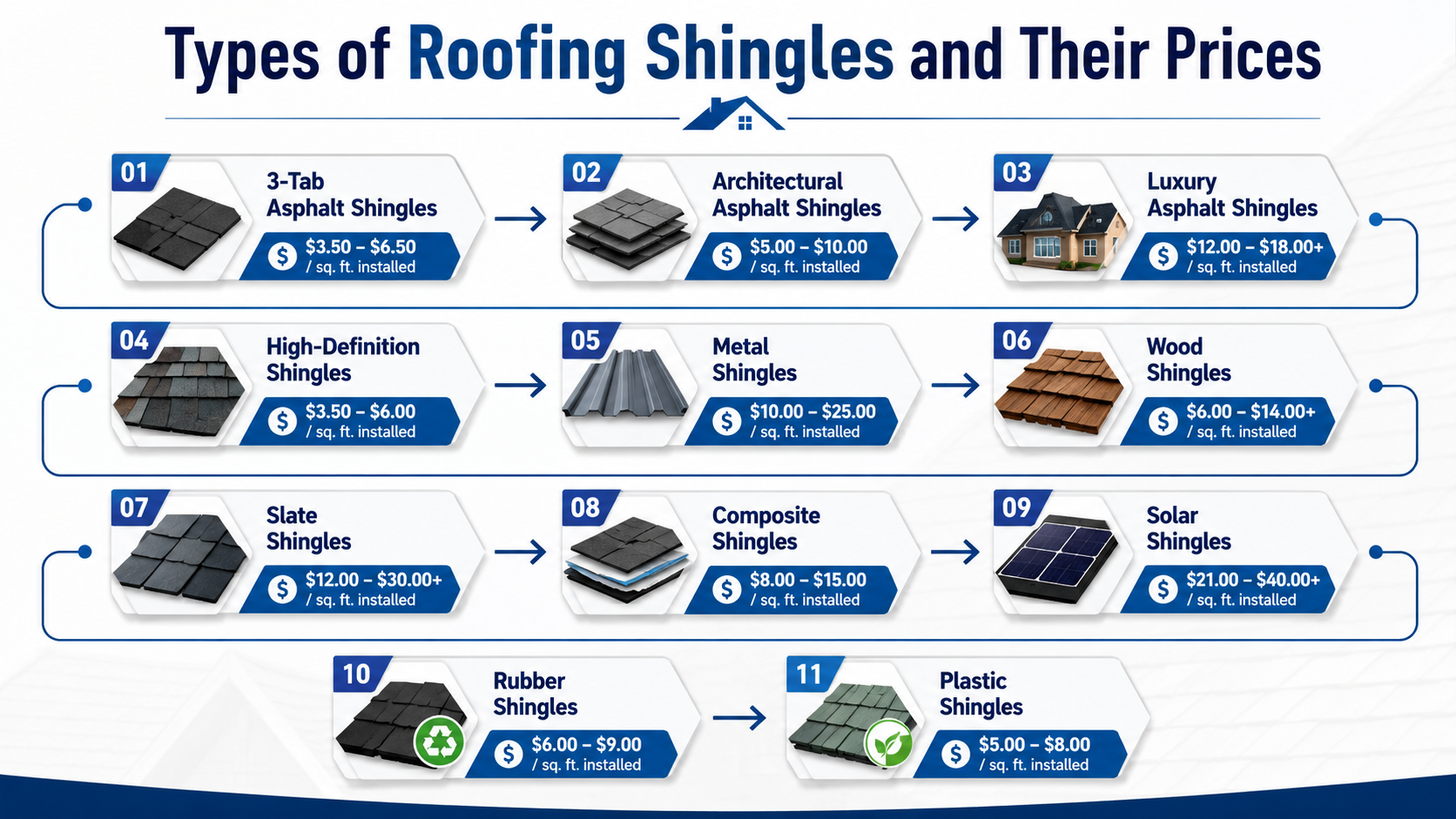
Roofing shingles are available in several material types, each with different durability, appearance, and installation costs. The most common options include asphalt, metal, wood, slate, composite, rubber, plastic, and solar shingles.
Below is a breakdown of the most common roofing shingle types along with their typical pricing and key features.
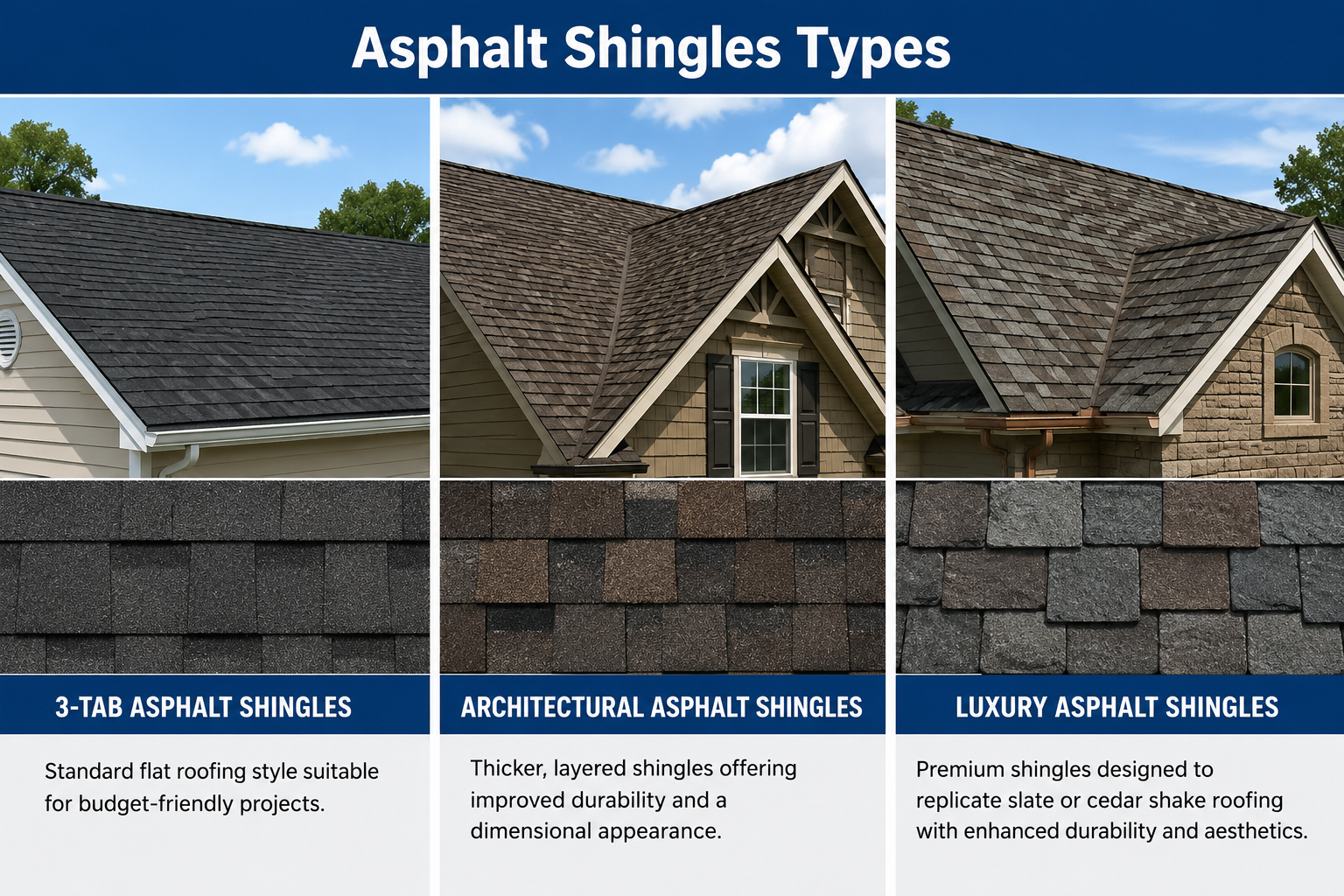
Asphalt shingles are the most popular roofing material because they are affordable, durable, and available in multiple styles.
3-tab shingles feature a simple, flat appearance and are commonly used for budget-friendly roofing projects.
| Pricing Overview | Average Cost |
| Price Per Unit | $0.80 – $1.20 per sq. ft. |
| Price Per Bundle | $25 – $35 |
| Installed Roof Cost | $3.70 – $8.75 per sq. ft. |
Architectural shingles are thicker and more durable than standard asphalt shingles. Their layered construction creates a more dimensional appearance.
| Pricing Overview | Average Cost |
| Price Per Unit | $1.25 – $1.75 per sq. ft. |
| Price Per Bundle | $40 – $60 |
| Installed Roof Cost | $5.50 – $12.25 per sq. ft. |
Luxury shingles are designed to replicate the appearance of natural slate or cedar shakes while providing premium durability.
| Pricing Overview | Average Cost |
| Price Per Unit | $2.00 – $3.50 per sq. ft. |
| Price Per Bundle | $70 – $100 |
| Installed Roof Cost | $12.50 – $15.50 per sq. ft. |
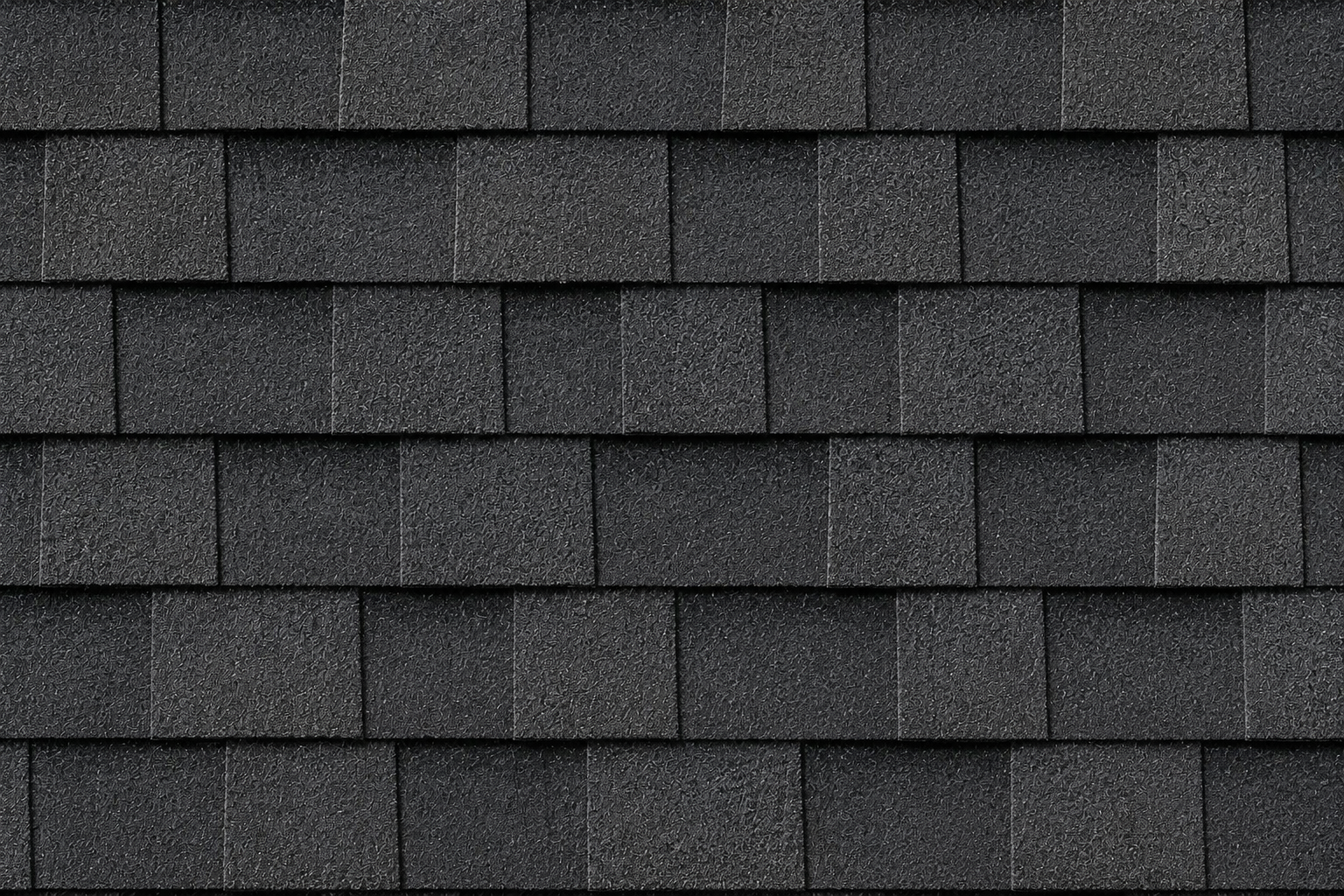
High-definition shingles feature enhanced shadow lines and color blends that improve curb appeal and create a textured roof appearance.
| Pricing Overview | Average Cost |
| Price Per Unit | $1.50 – $2.50 per sq. ft. |
| Price Per Bundle | $45 – $65 |
| Installed Roof Cost | $3.50 – $6.00 per sq. ft. |
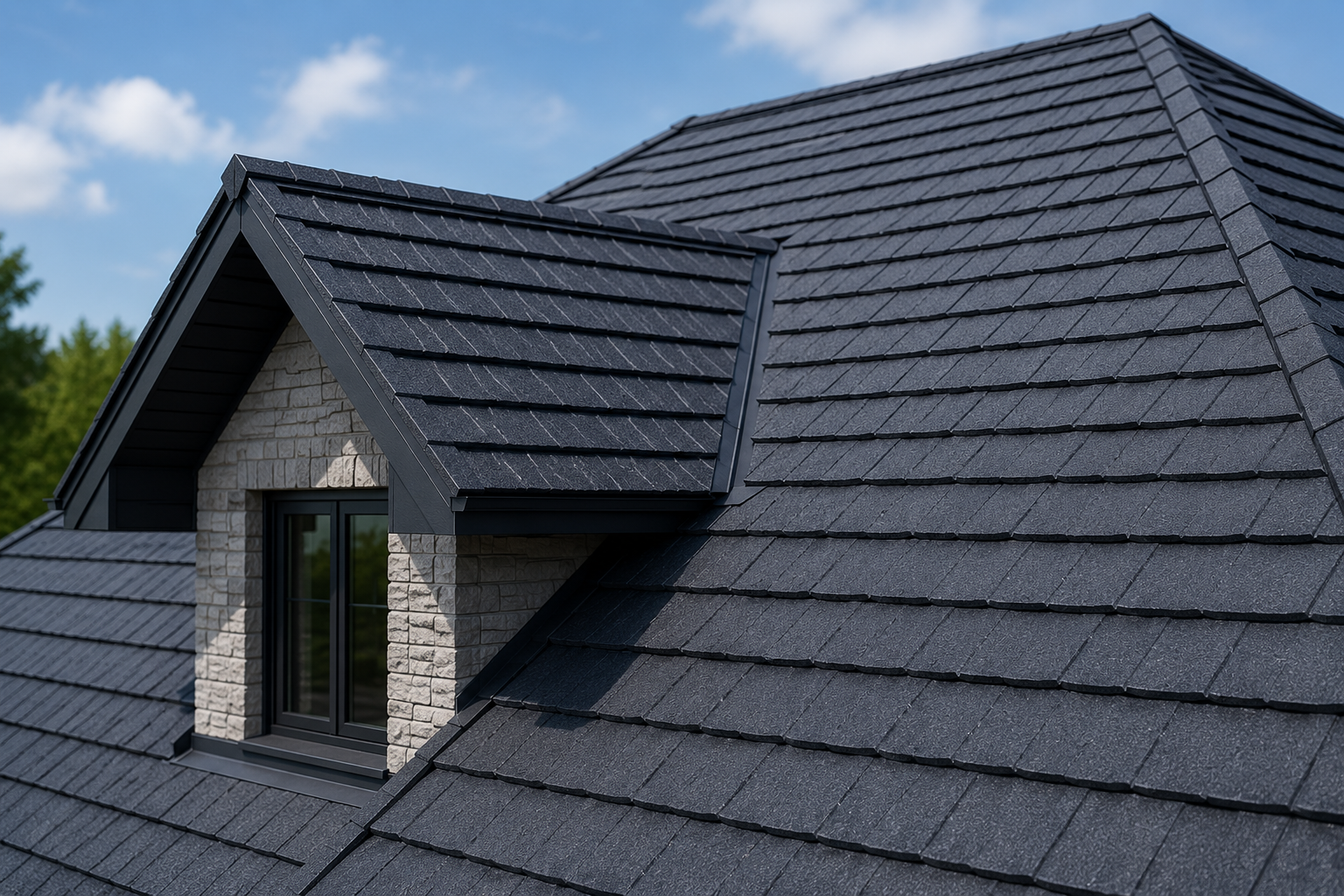
Metal shingles are known for their energy efficiency and heat-reflective properties. According to the U.S. Department of Energy, cool roofing materials can help reduce roof temperatures and lower indoor cooling costs in warmer climates.
| Pricing Overview | Average Cost |
| Price Per Unit | $3.50 – $5.50 per sq. ft. |
| Sold By | Square footage |
| Installed Roof Cost | $10.00 – $25.00 per sq. ft. |
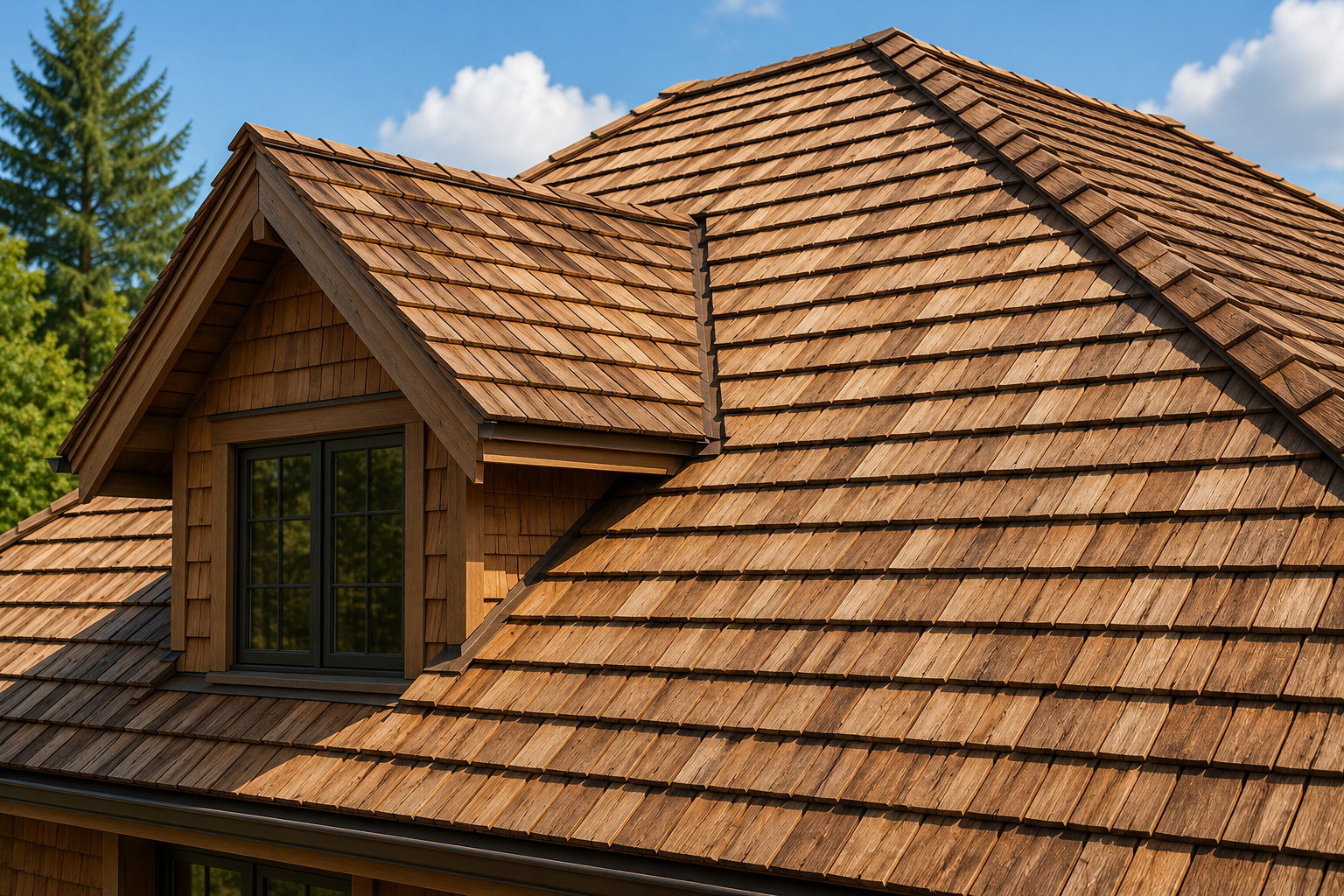
Wood shingles are typically made from cedar, pine, or redwood and provide a natural, rustic appearance.
| Pricing Overview | Average Cost |
| Price Per Unit | $4.00 – $7.00 per sq. ft. |
| Price Per Bundle | $100 – $150 |
| Installed Roof Cost | $6.00 – $14.30 per sq. ft. |

Slate shingles are crafted from natural stone and are valued for their premium appearance and exceptional lifespan.
| Pricing Overview | Average Cost |
| Price Per Unit | $10.00 – $20.00 per sq. ft. |
| Sold By | Square footage |
| Installed Roof Cost | $12.00 – $30.00 per sq. ft. |
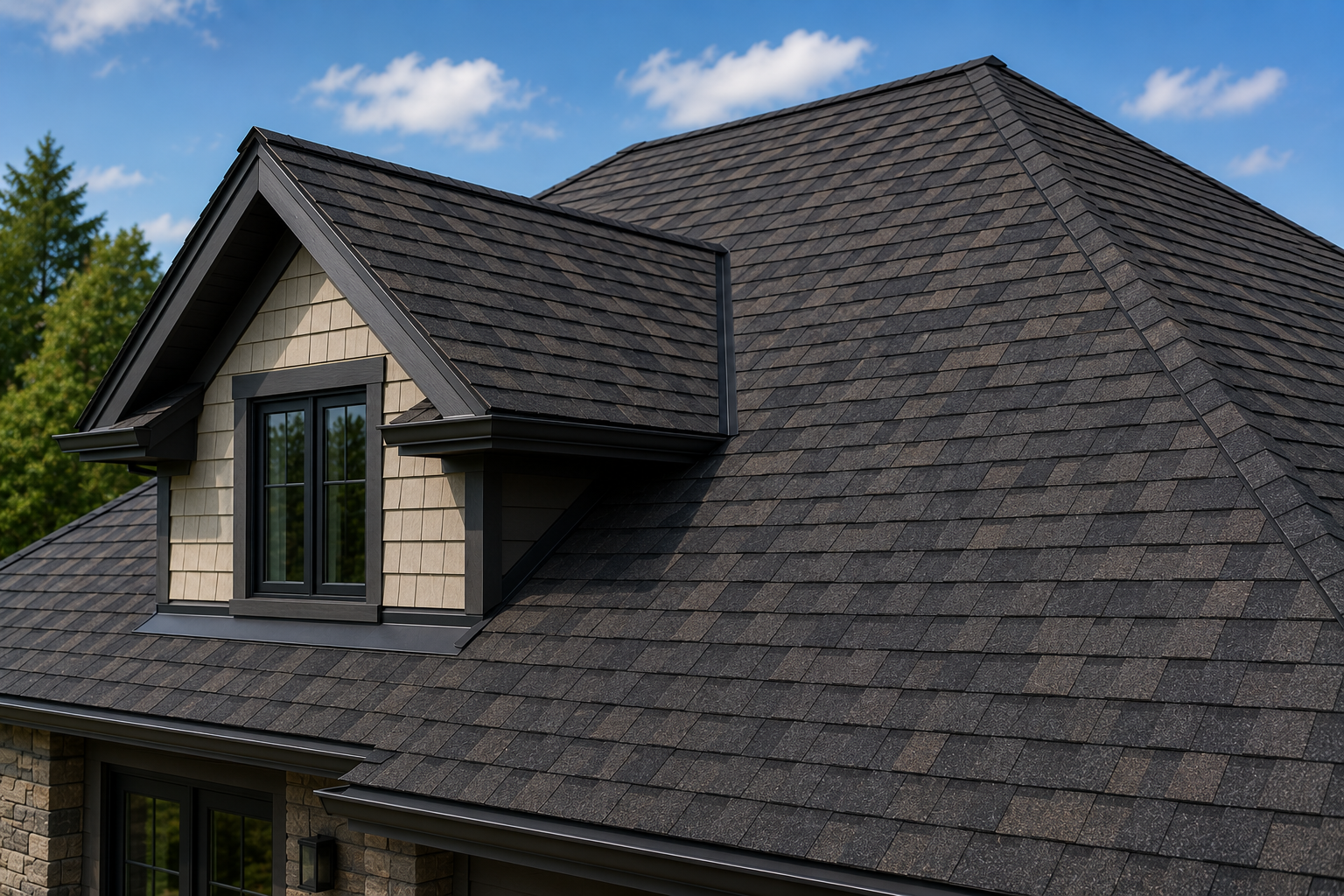
Composite shingles are made from blended materials such as rubber, plastic, and polymers to mimic the look of more expensive roofing materials.
| Pricing Overview | Average Cost |
| Price Per Unit | $3.00 – $5.00 per sq. ft. |
| Sold By | Square footage |
| Installed Roof Cost | $8.00 – $15.00 per sq. ft. |
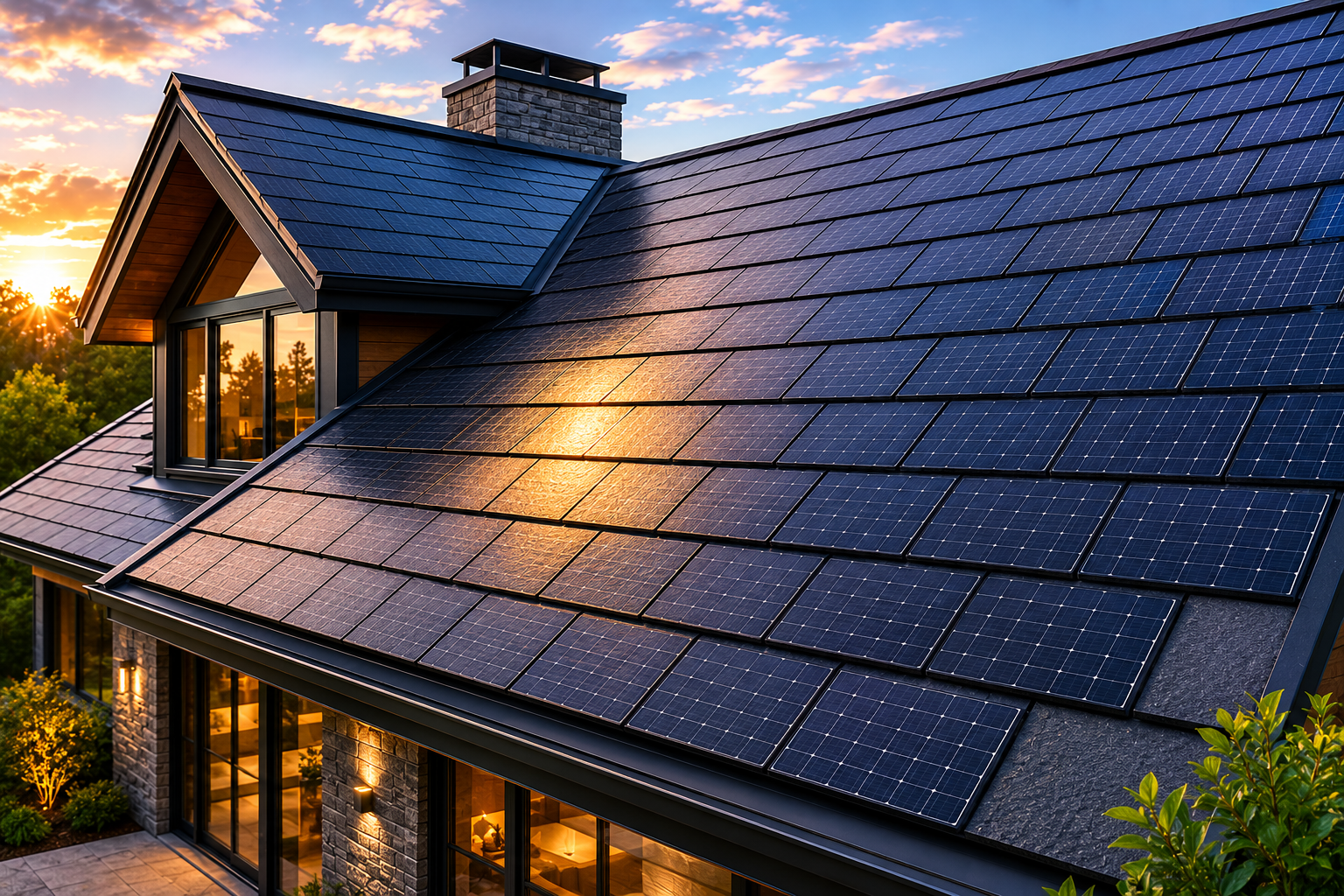
Solar shingles function as both roofing material and solar energy generators, helping homeowners improve energy efficiency.
| Pricing Overview | Average Cost |
| Price Per Unit | $20.00 – $35.00 per sq. ft. |
| Sold By | Square footage |
| Installed Roof Cost | $21.00 – $30.00 per sq. ft. |
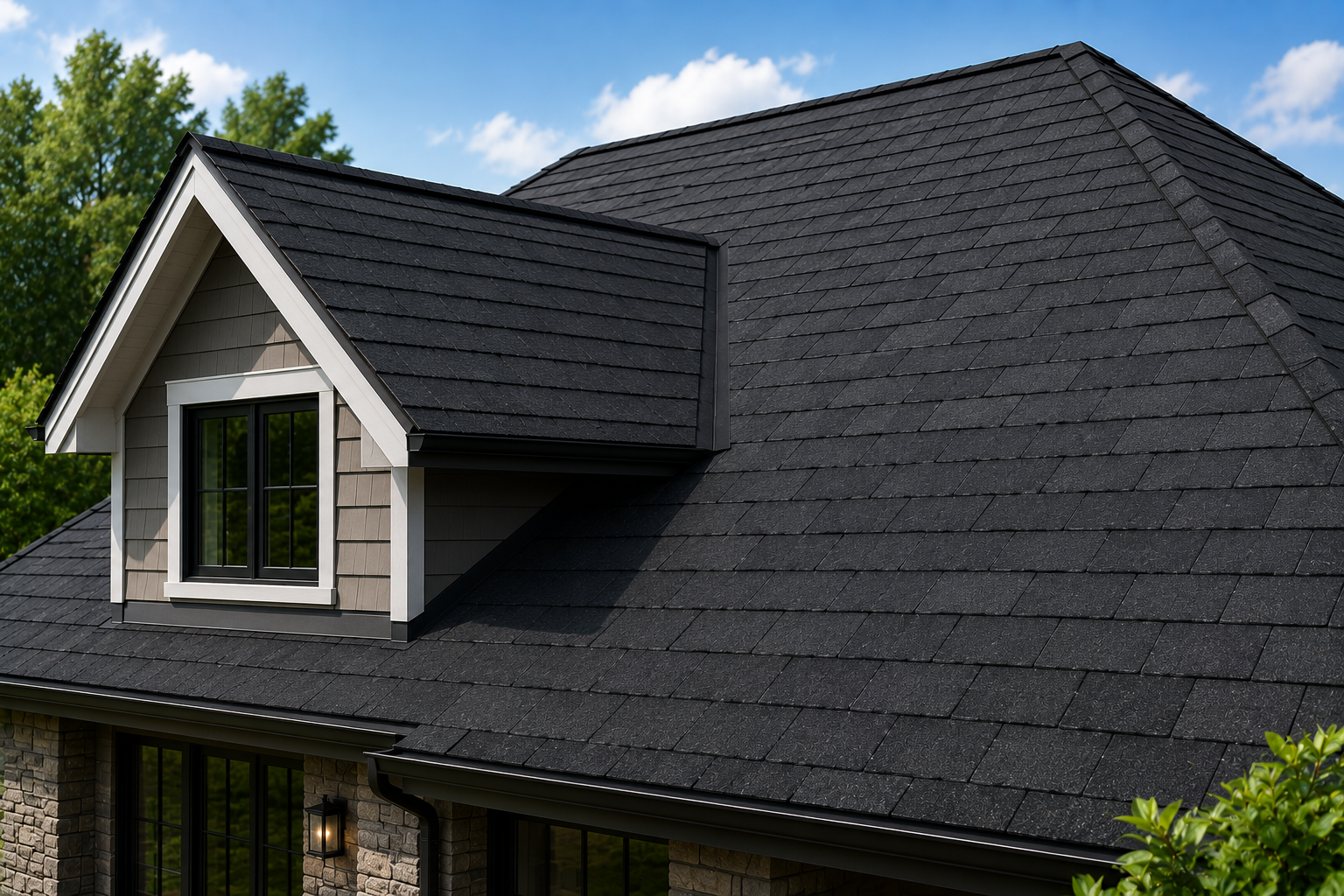
Rubber shingles are commonly manufactured from recycled materials and are valued for their durability and weather resistance.
| Pricing Overview | AverageCost |
| Price Per Unit | $3.00 – $6.00 per sq. ft. |
| Sold By | Square footage |
| Installed Roof Cost | $6.00 – $9.00 per sq. ft. |
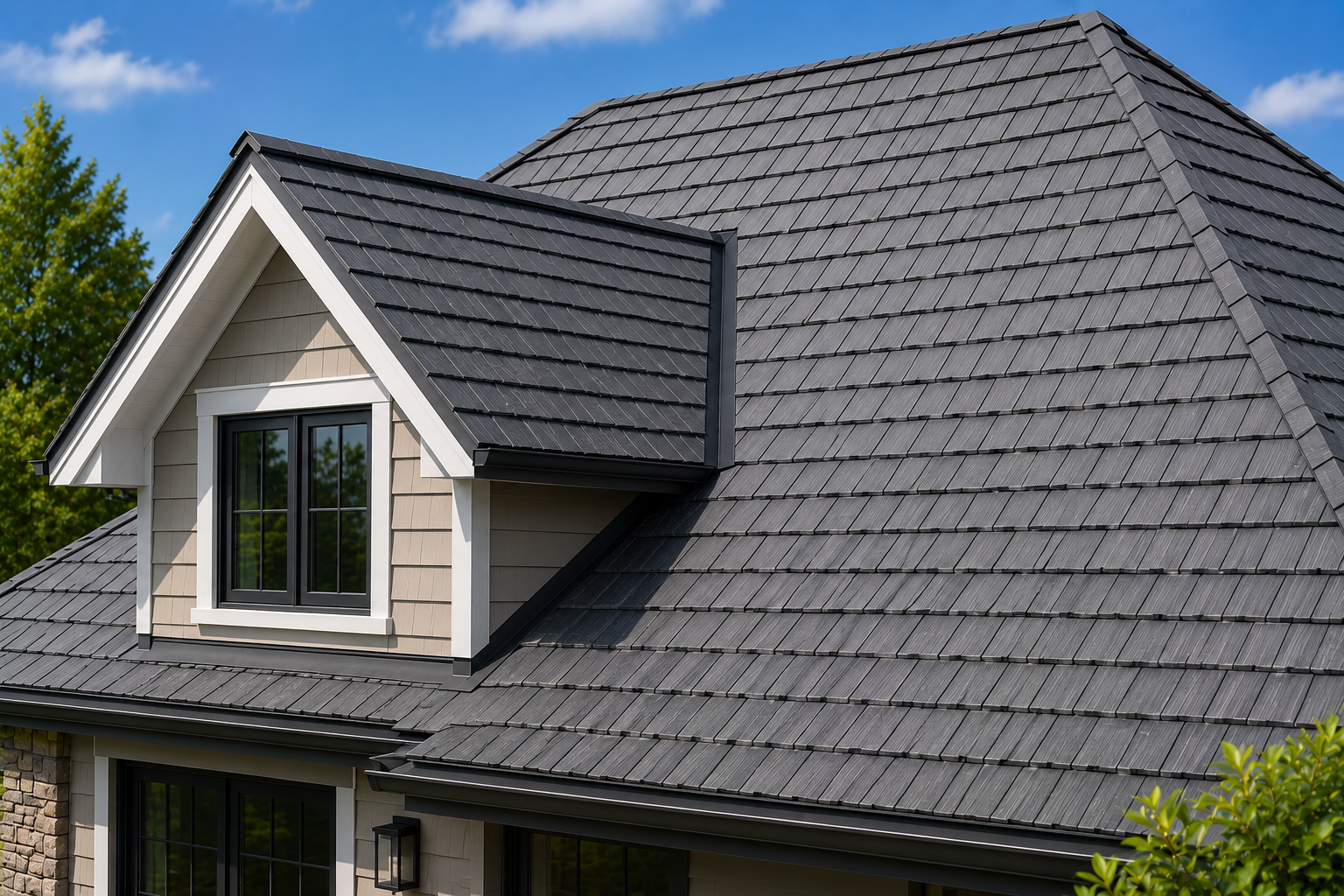
Plastic shingles are lightweight, eco-friendly roofing materials designed to replicate traditional roofing styles such as slate or wood shakes.
| Pricing Overview | Average Cost |
| Price Per Unit | $3.00 – $5.00 per sq. ft. |
| Sold By | Square footage |
| Installed Roof Cost | $5.00 – $8.00 per sq. ft. |
With a wide range of roofing shingle materials available, homeowners can choose a roofing solution that aligns with their budget, durability requirements, and preferred architectural style.
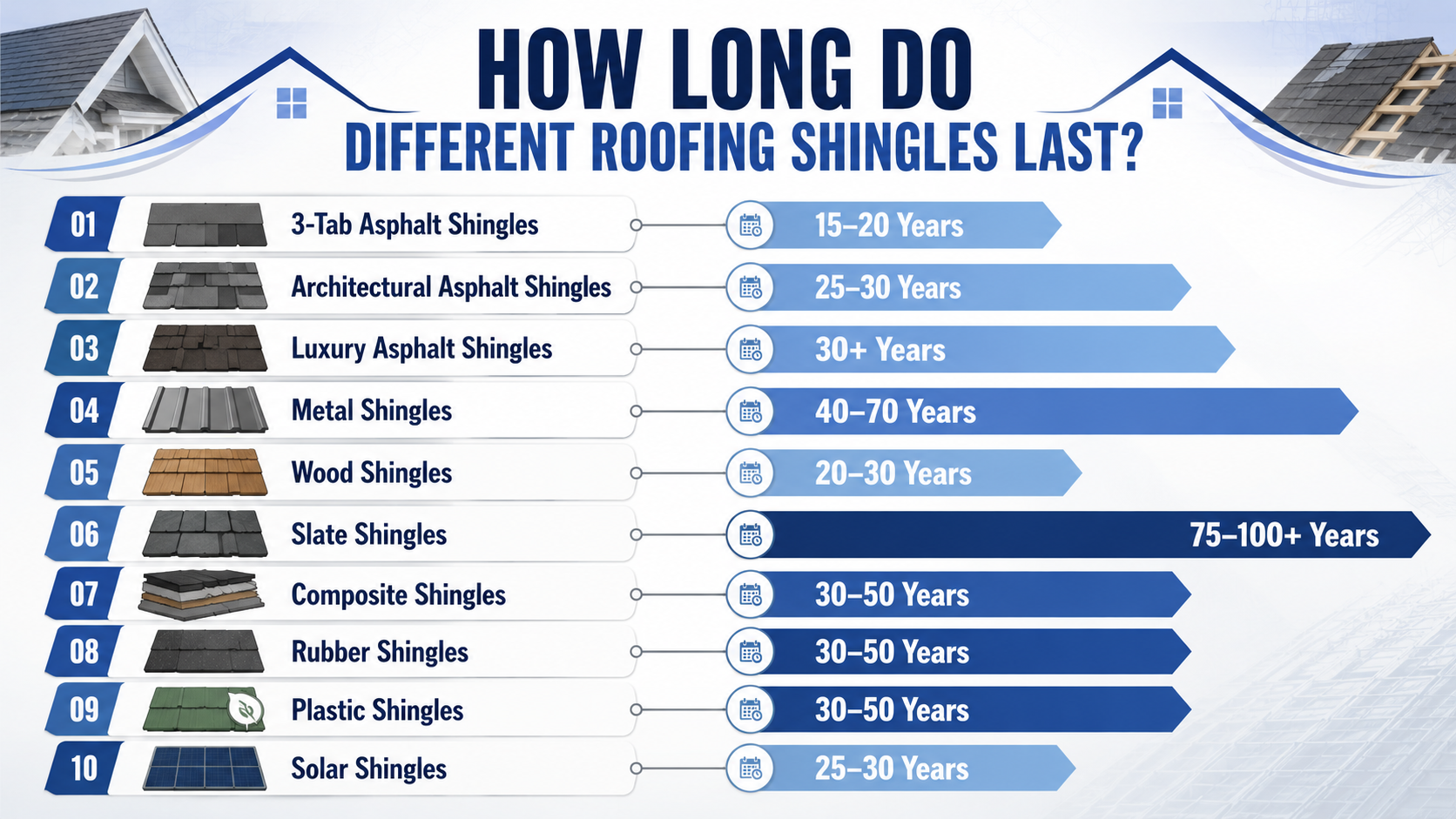
Different roofing shingles offer varying lifespans depending on the material, durability, and maintenance requirements. The table below compares the average lifespan of the most common roofing shingle types.
| Roofing Shingle Type | Average Lifespan |
| 3-Tab Asphalt Shingles | 15–20 Years |
| Architectural Asphalt Shingles | 25–30 Years |
| Luxury Asphalt Shingles | 30+ Years |
| Metal Shingles | 40–70 Years |
| Wood Shingles | 20–30 Years |
| Slate Shingles | 75–100+ Years |
| Composite Shingles | 30–50 Years |
| Rubber Shingles | 30–50 Years |
| Plastic Shingles | 30–50 Years |
| Solar Shingles | 25–30 Years |
The lifespan of roofing shingles depends on factors such as installation quality, climate conditions, ventilation, and ongoing maintenance. Regular roof inspections and proper installation can help maximize the durability and performance of any roofing system.
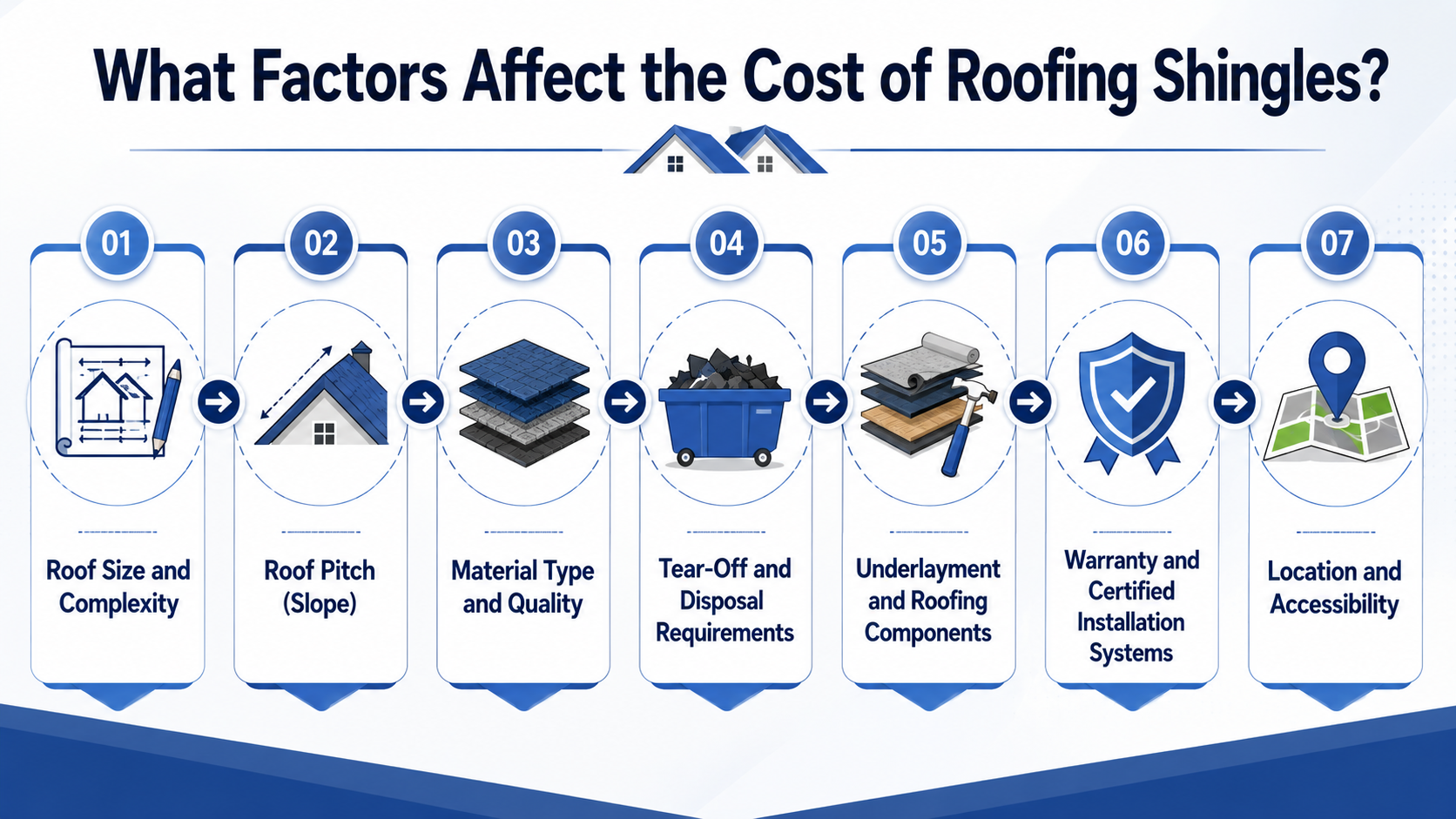
The total cost of a roofing shingles project typically ranges from $3.50 to $40.00+ per square foot, depending on the roofing material, installation complexity, and overall project requirements. Several factors influence the final price, including roof size, design, labor costs, material quality, and whether the existing roof needs to be removed before installation.
The overall size of your roof directly affects the amount of materials and labor required. Roofs with complex layouts, multiple slopes, valleys, dormers, skylights, or chimneys require more detailed installation work, increasing both labor time and material waste.
Steeper roofs are more challenging and hazardous to work on, which increases labor costs. Contractors often need additional safety equipment and more time to complete installations on high-pitch roofs.
The type of shingles you choose significantly impacts the overall cost. Standard 3-tab asphalt shingles are generally the most affordable option, while architectural and luxury shingles cost more due to their enhanced durability, appearance, and lifespan.
If your old roofing materials need to be removed before installation, additional labor and disposal fees will apply. Full tear-offs that expose the roof deck may also require repairs or replacement of damaged wood underneath.
A complete roofing system includes more than just shingles. Components such as synthetic underlayment, flashing, ventilation systems, drip edges, and water barriers improve roof performance and longevity but can increase the total project cost.
Many homeowners choose manufacturer-backed roofing systems from trusted contractors like Statewide Roofing Specialist for added protection and long-term reliability. These roofing systems often require high-quality materials and certified installation methods, which may increase upfront costs while providing stronger warranty coverage and better overall roof performance.
Local labor rates, material availability, and transportation costs can also affect pricing. Homes in difficult-to-access areas or in regions with higher demand for roofing services may face higher installation costs.
For the most accurate estimate, it is best to schedule an inspection with a certified roofing contractor who can evaluate your roof’s condition, structure, and installation requirements.
Roofing shingle costs vary based on the material type, durability, installation complexity, and long-term performance.
While asphalt shingles remain the most affordable and widely used option, premium materials like metal, slate, and solar shingles offer longer lifespans, improved energy efficiency, and stronger long-term value. Understanding pricing, lifespan expectations, and installation factors can help homeowners make smarter roofing decisions and avoid costly repairs in the future.
At Statewide Roofing Specialist, we help homeowners choose durable, high-quality roofing systems designed for long-lasting protection, performance, and curb appeal.
The average cost of roofing shingles typically ranges from $3.50 to $40.00+ per square foot installed, depending on the roofing material and installation complexity. Affordable asphalt shingles cost less upfront, while premium materials like slate and solar shingles require a higher investment due to their durability and lifespan.
Slate shingles generally have the longest lifespan, lasting 75–100 years with proper installation and maintenance. Metal, composite, and rubber shingles also offer excellent long-term durability compared to standard asphalt roofing materials.
Metal roofing shingles are known for their reflective properties, which can help reduce roof temperatures and lower indoor cooling costs in warmer climates. Many homeowners choose metal roofing because it combines durability, energy efficiency, and long-term performance.
Several factors can increase roofing installation costs, including steep roof pitch, multiple valleys or dormers, tear-off requirements, underlayment upgrades, and difficult roof accessibility. Material quality, labor rates, and ventilation components also affect the total roofing project price.