SUMMARY- This guide explains essential roofing terminology, helping readers understand roof structure, key roof components, and how each part works together to protect a home.
- The blog compares common roofing materials, highlighting differences in durability, lifespan, cost, and performance among asphalt, metal, tile, and flat roofing systems.
- By understanding these roofing terms, homeowners can make informed decisions during repairs, replacements, insurance claims, and routine maintenance.
|
When dealing with roof repairs, replacements, or insurance claims, homeowners often hear some unfamiliar terms from contractors. Not understanding this terminology can lead to confusion, miscommunication, and even costly decisions.
Also, with severe weather conditions causing damage to millions of homes each year, understanding the basic roofing terms has become more important than ever.
This detailed guide will break down all the important roofing terminology that every homeowner should know. This will help you to communicate confidently, make informed decisions, and protect your home from any long-term damage.
A-Z Glossary of Roofing Terminology Every Homeowner Should Know

- Abutment – An Abutment is where a roof meets a vertical surface, such as a chimney, wall, or dormer. These areas are especially prone to leaks because water tends to collect and change direction at these intersections.
- Acrylic Coatings – These are liquid-applied roof coatings commonly used on flat or low-slope roofs. Once applied, they dry into a seamless, waterproof layer that reflects sunlight and reduces heat buildup.
- Active Metals – These metals are the ones that naturally react more easily with their environment by releasing electrons. They are called “active” because their reactivity makes them more likely to corrode when exposed to moisture, oxygen, or dissimilar metals. In metal roofing, materials like zinc or aluminum are used for protection and durability, but must be paired with compatible fasteners to prevent corrosion.
- Apex – It’s the highest point of a roof where two sloping sections meet. On shingle roofs, this area is covered with ridge cap shingles that close the joint and protect it from wind and rain. Since the apex is one of the most exposed parts of the roof, correct installation is important to prevent leaks and weather damage over time.
- Bargeboard – It’s a board or metal trim that is installed along the edge of a gable roof. It protects exposed roof edges from damage caused by extreme weather conditions and also improves curb appeal. In metal roofing systems, barge capping prevents wind from lifting roof panels.
- Battens – These horizontal strips of wood or metal are fixed to the roof structure to support tiles, slate, or metal panels. They create airflow between the roof deck and the roofing material to help manage the heat and moisture.
- Bitumen – A bitumen is the waterproofing material found in asphalt shingles and flat roofing systems.
- Cap Sheet – It’s the top protective layer on flat or low-slope roofs. It shields the roof from sunlight and physical wear. When the protective granules begin to wear off, it’s often a sign that the roof is nearing the end of its lifespan.
- Cedar Shingles and Shakes – These are natural wood roofing options known for their classic appearance and resistance to insects. Shingles are smooth and uniform, while shakes have a rougher, more rustic look.
- Cool Roof – It is designed to reflect sunlight and absorb less heat. These systems help keep roof temperatures lower, reduce cooling costs, and improve energy efficiency.
- Dead Lead – It refers to the permanent weight of the roof, including framing, decking, and roofing materials.
- Decking – It’s a solid wood surface beneath the roofing material. It is usually made from plywood or OSB. It provides the foundation that holds shingles or panels in place and must be strong enough to support both the roof system and installers during repairs.
- Drip Edge – A drip edge is a metal flashing installed along roof edges to guide water into gutters and away from the fascia. Without it, water can seep back under the shingles and slowly rot the roof deck.
- Eaves – These are the lower edges of the roof that extend beyond the exterior walls of the house. Properly designed eaves play an important role in moisture control and ventilation within the roof structure.
- EPDM (Ethylene Propylene Diene Monomer) – It’s a synthetic rubber roofing material commonly used on flat or low-slope roofs. It is highly resistant to sunlight, ozone, and temperature changes.
- Exposure – It refers to the portion of a shingle that remains visible after installation. Correct exposure is important for wind resistance.
- Fascia – The Fascia is the vertical board attached to the ends of the roof rafters along the eaves. It provides a secure place to attach gutters and helps seal off the attic from pests and moisture.
- Fasteners – Fasteners are the nails, screws, or clips used to secure roofing materials to the roof deck. Roofing fasteners are specially designed for durability and for better grip, and rubber washers for waterproofing in metal roofs.
- Flashing – Flashing is one of the most important components for preventing roof leaks. It consists of thin metal pieces installed around roof joints, valleys, chimneys, vents, and other penetrations.
- Gable – A gable is the triangular section of wall formed at the end of a pitched roof. Gable roofs are popular in residential construction because they allow rain and snow to shed easily and provide good attic ventilation. However, gable ends can be vulnerable to strong winds and must be properly braced to prevent structural damage during severe weather.
- Galvanization – It’s a protective process used in metal roofing where steel is coated with zinc to prevent rust. In roofing terminology, thicker galvanization coatings generally mean better corrosion resistance and a longer roof lifespan.
- Granules – These are small, ceramic-coated particles on the surface of asphalt shingles. They protect the shingles from UV rays, add fire resistance, and improve durability.
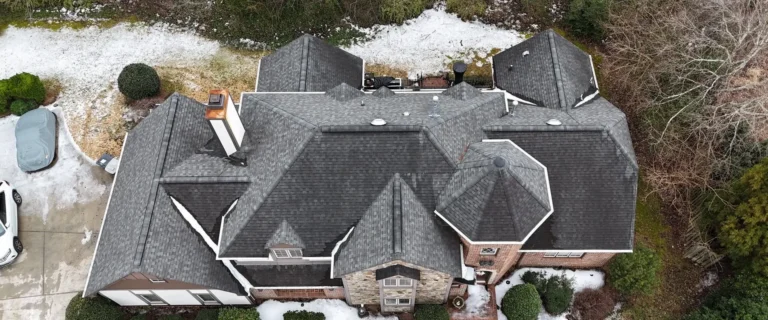
- Hip – It’s the outward angle formed where two sloping roof sections meet. A hip roof slopes down on all four sides, which makes it more stable in strong winds compared to gable roofs. Because of this design strength, homes with hip roofs often perform better during storms and may qualify for lower insurance premiums in high-wind regions.
- HAAG Certified Inspector – In roof inspections and insurance claims, a HAAG Certified Inspector is a trained professional who specializes in identifying storm-related roof damage. These inspectors are taught to tell the difference between normal wear and actual functional damage caused by hail or wind.
- Head Lap – It refers to how much the top edge of a shingle or tile is covered by layers installed above it. This overlap creates multiple layers of protection that prevent wind-driven rain from reaching the roof deck. Insufficient headlap is a common installation mistake and often leads to slow, hidden leaks over time.
- Ice and Water Barrier – It’s a self-sealing waterproof underlayment installed in the most vulnerable parts of the roof, such as eaves, valleys, and around roof penetrations. Unlike standard underlayment, it seals tightly around nails to stop water from backing up under shingles due to ice dams or heavy rain.
- Impact Resistance – In roof structure terminology, impact resistance is a measure of how well roofing materials can withstand hail and flying debris.
- Joists – These are horizontal structural members that support the ceiling below and help stabilize the walls of the home.
- Junctions – These are the points where different roof sections, planes, or materials meet. These areas require careful detailing and proper flashing because they are more vulnerable to leaks.
- Kickout Flashing – Kickout Flashing, also known as diverter flashing, is installed where a roof edge meets a vertical wall. Its purpose is to direct water away from the wall and into the gutter system.
- King Post – It’s a vertical support found in a simple truss system that connects the ridge beam to the bottom chord. King post trusses are commonly used for shorter roof spans and provide strength while keeping the structure lightweight.
- Laminated Shingles – These are known as architectural or dimensional shingles. They are made from multiple bonded layers of asphalt and fiberglass. They are thicker, heavier, and more wind-resistant than traditional three-tab shingles. Because of their performance and appearance, laminated shingles are often considered one of the premium materials needed for roofing in residential construction.
- Lathes – These are thin strips of wood or metal installed over the roof structure to support shingles, tiles, or slate. They are also called battens.
- Live Load – A Live Load refers to temporary weight placed on the roof, such as snow, wind pressure, or the weight of workers during repairs.
- Mansard Roof – A Mansard Roof is a four-sided roof design with two slopes on each side, where the lower slope is steep, and the upper slope is nearly flat.
- Mastic – Mastic is a thick adhesive or sealant used to seal roof joints, flashing, and shingle tabs. While it can be effective for short-term repairs, some roofing mastics harden over time and lose flexibility.
- Metal Roofing – These are the types of roofs that can last 50 years or more. These reflect sunlight and improve the energy efficiency.
- Nailing Pattern – It refers to the exact number and placement of nails required to properly secure shingles. Incorrect nailing is one of the most common installation errors and can lead to shingle failure or denied insurance claims.
- Nesting – It’s a technique used when installing new shingles over an existing roof. Proper nesting helps improve appearance and ensures the new roofing materials perform as intended.
- OSB (Oriented Strand Board) – It’s a widely used roof decking material made from compressed wood strands and adhesive. It is a cost-effective option among the materials needed for roofing, but it can swell if exposed to prolonged moisture.
- Overhang – An Overhang is the section of the roof that extends beyond the exterior walls. Overhangs help protect siding and foundations from rainwater and can also improve energy efficiency by shading windows during hot weather.
- Pitch – The Pitch of a roof describes how steep it is and is measured as the rise over a horizontal distance. Roof pitch determines which materials needed for roofing can be used.
- Purlins – Purlins are horizontal structural members that support the roof deck or roofing panels. In residential roofing, they are sometimes installed over an existing roof to create a framework for metal panels.
- PVC (Polyvinyl Chloride) – It’s a single-ply roofing membrane commonly used on flat roofs. It is resistant to chemicals, fire, and punctures, and its heat-welded seams create a strong, watertight bond. PVC is considered one of the most durable materials needed for roofing flat or low-slope structures.
- Queen Post Truss – A Queen Post Truss is a variation of a King Post Truss that uses two vertical supports instead of one. This design allows for a wider open span. This makes it suitable for large residential spaces such as great rooms or buildings where interior load-bearing walls are not desired.
- Quoins – These are the decorative or structural corner elements located at the external corners of a building. Proper flashing at this junction is important to prevent water from entering the building at these vulnerable corner points.
- Rafters – These are the main structural beams that form the slope and shape of a roof. They run from the top of the exterior walls to the ridge at the peak.
- Rake – The Rake is the sloped edge along the side of a gable roof. This area is particularly vulnerable to wind uplift during storms. Proper rake trim or flashing helps secure the shingles along this edge and prevents wind from lifting or tearing them away.
- Ridge – The Ridge is the horizontal peak where two roof slopes meet. It is the highest point of the roof and an ideal location for ventilation.
- Soffits – The Soffit is the underside of the roof overhang. Most soffits are vented to allow fresh air to enter the attic.
- Square – A Square is the standard unit of measurement in roofing and is equal to 100 square feet of roof area.
- Starter Shingles – These are called starter strips and are installed along the eaves before the main shingles. They provide a sealed edge for the first row of shingles and help prevent wind from lifting the roof covering at its most exposed points.
- TPO (Thermoplastic Polyolefin) – It’s a single-ply roofing membrane commonly used on flat or low-slope roofs.
- Truss – A Truss is a prefabricated structural framework designed to support the roof.
- Underlayment – It’s a secondary, water-resistant layer installed directly over the roof decking and beneath the shingles or roofing material. It provides added protection in case water gets past the outer roof covering.
- Valley – A Valley is the internal angle where two sloping sections of the roof meet. Since valleys collect and channel large amounts of rainwater, they are one of the most leak-prone areas of any roof. To prevent water damage, valleys are reinforced with valley liners, which are made of metal or heavy-duty waterproof membranes.
- Vents – Vents allow air to move in and out of the attic, which helps to regulate temperature and moisture levels.
- Whirlybird – It is known as a turbine vent. It’s a wind-powered attic ventilator that helps pull hot air out of the attic.
- Wood Shakes – These are thick, hand-split roofing materials valued for their natural, rustic appearance. Although durable, wood shakes demand higher maintenance than many modern roofing materials.
- X-Bracing – It’s a structural reinforcement method used in roof framing, where diagonal braces form an “X” pattern between rafters or trusses. This type of bracing improves lateral strength and helps prevent the roof from shifting or twisting during high winds.
- Yakee Gutters – A yankee gutter is a built-in gutter system that sits within the roof structure rather than hanging from the edge. Commonly found on historic homes, these gutters create a clean roofline but require regular maintenance.
- Zinc – It’s a premium metal roofing material known for its exceptional lifespan. It often lasts for 100 years or more.
- Z-Bar – It’s a metal flashing used where two different building materials meet, such as where a roof connects to a wall. Its “Z” shape allows it to direct water away from the joint. It helps to create a secure and watertight transition between surfaces.
Comparison of Roofing Materials
When selecting the materials needed for roofing, always check for your home’s age and regional climate.
| Material Type | Avg. Cost | Lifespan | Impact Rating |
| 3-Tab Asphalt | $ | 15 – 20 Yrs | Class 1-2 |
| Architectural Asphalt | $$ | 25 – 30 Yrs | Class 3-4 |
| Metal (Standing Seam) | $$$ | 50 – 75 Yrs | Class 4 |
| Slate or Tile | $$$$ | 75 – 100+ Yrs | Class 3-4 |
How To Avoid “Storm Chaser” Scams?
After any major hail or windstorm, storm chasers often move to affected neighbourhoods. These companies typically use high-pressure sales tactics. They offer deals that sound too good to be true or promise to waive your insurance deductibles, which is basically illegal and known as insurance fraud.
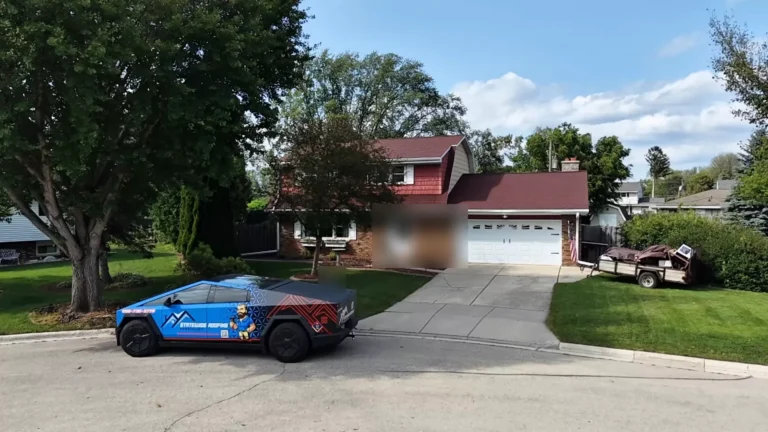
So, to protect yourself, avoid signing contracts on the spot or allowing work to begin without any proper verifications. Always choose an established local roofing professional, like Statewide Roofing Specialist, for your roof inspection.
Remember, a thorough roof assessment helps to ensure that any repairs or replacements are truly necessary and properly documented.
Before making a decision, review a professional roof maintenance checklist and understand your roofing needs. When investing in a full roof replacement, explore high-quality options like shingle roofing services from a reputable contractor to ensure long-term performance and warranty protection.
Roofing Terminology Quiz
Test your knowledge with this quick Roofing terminology quiz! (Answers below)
Summing Up
Your roof is more than just a layer of shingles. It is a carefully designed system that protects your home from various natural disasters.
By understanding this important roofing terminology, you can easily communicate with contractors and make correct decisions. This will also help to avoid any costly mistakes.
So, don’t wait for a visible leak or storm damage to reveal a problem. Be familiar with the key parts of a roof and the materials used to take a proactive approach to maintenance and repairs.