Oct 11, 2026
Sparta, NC: Five Standing Seam Metal Roofs, Panels Made On Site



Key Takeaways
|
When temperatures drop, many homeowners assume a shingle roof installation has to wait until spring. But what if your roof needs replacement now, or winter weather has already left you dealing with damaged shingles?
Cold weather does not automatically prevent asphalt shingle installation, but lower temperatures can make shingles stiffer, slow the sealing process, and make proper handling more important. That means the real question isn’t simply whether you can install shingles in cold weather; it’s whether the temperature, roof conditions, and installation method are suitable for the specific shingle product.
In this guide, you’ll learn what to check before installation, how cold weather affects shingles, and the steps to follow for a proper cold-weather installation.
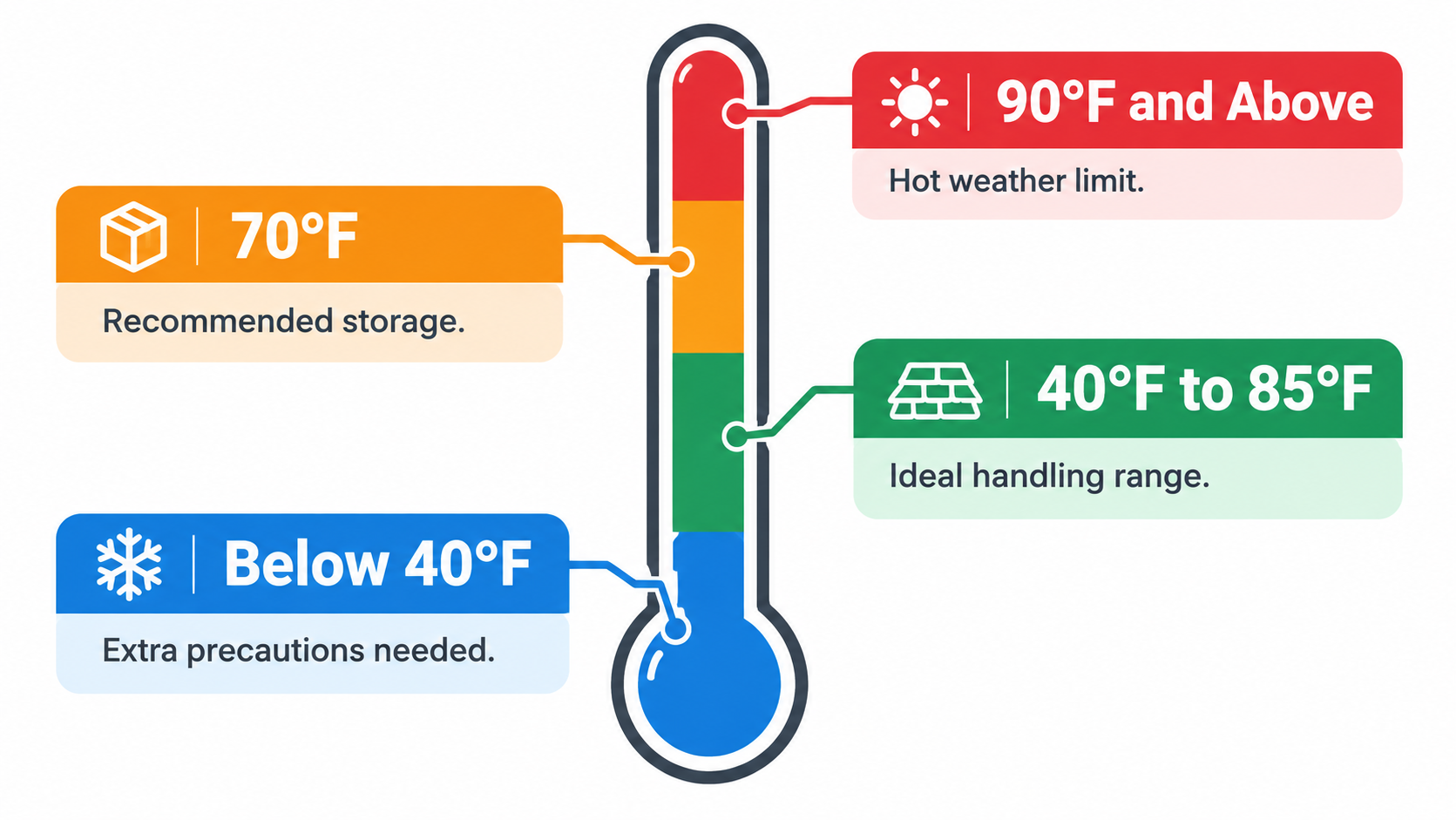
So, how cold is too cold for shingle installation? Manufacturer guidance provides a useful starting point for answering that question. GAF, one of the largest shingle manufacturers in the country, states there is no strict theoretical temperature limit for installing asphalt shingles as long as proper precautions are taken. Their practical guidance still points to 40°F as the threshold for easy handling and reliable sealing.
Yes, shingles can be installed in cold weather, and cold temperatures alone don’t make a roof job impossible. What changes is how the shingles are handled, stored, and sealed.
| Temperature Point | Guidance |
| Practical minimum for easy handling | 40°F |
| Ideal handling range | 40°F to 85°F |
| Recommended storage temperature | 70°F or higher, for at least 24 hours before use |
| Hot weather threshold | 90°F and above |
Below 40°F, shingles become stiffer, and the self-sealing adhesive strip activates more slowly, which is why manufacturers set that number as a practical guideline rather than a hard rule. Installation can still occur below that point, but it requires extra precautions such as hand sealing and careful material handling. This is also why every shingle roofing job scheduled for winter should be planned around the specific product being installed, not a generic industry number.
Installation becomes genuinely unsuitable when the roof deck is wet, frosted, or covered in snow, or when wind and precipitation make safe footing impossible. Temperature is one factor among several, not the only one.
Before any cold-weather roofing job starts, a few conditions need to be confirmed. Each one affects the outcome differently, so it’s worth understanding them individually rather than treating cold weather as a single, generic risk.
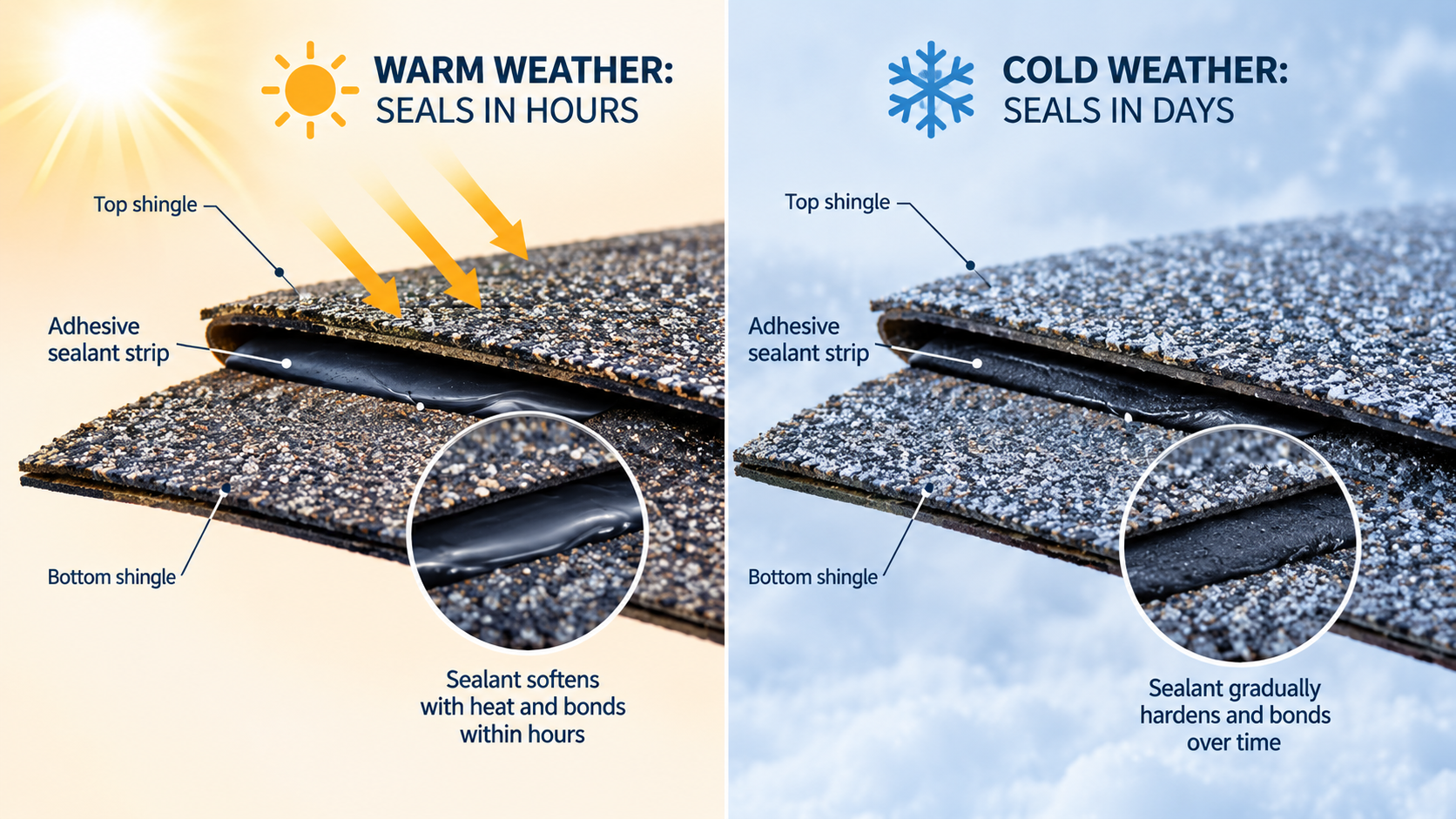 Every asphalt shingle has a thermally activated adhesive strip that bonds it to the shingle below. That strip needs warmth, typically from sun exposure and ambient temperature, to activate fully.
In cold weather, that bonding process slows down significantly. A shingle installed on a 35°F day may not seal for days or weeks, whereas in warm weather it may seal within a few hours. Until it seals, the shingle is more vulnerable to wind lift, which is why hand sealing is often required as a backup in colder installs.
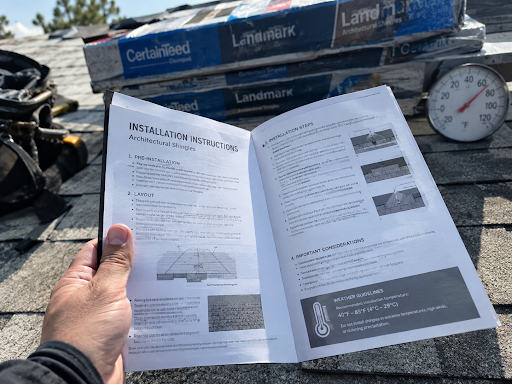 There’s no single, universal temperature rule that applies to every shingle product. Manufacturer instructions determine what’s acceptable for a given product, and those instructions can vary by brand, shingle line, and even adhesive formula.
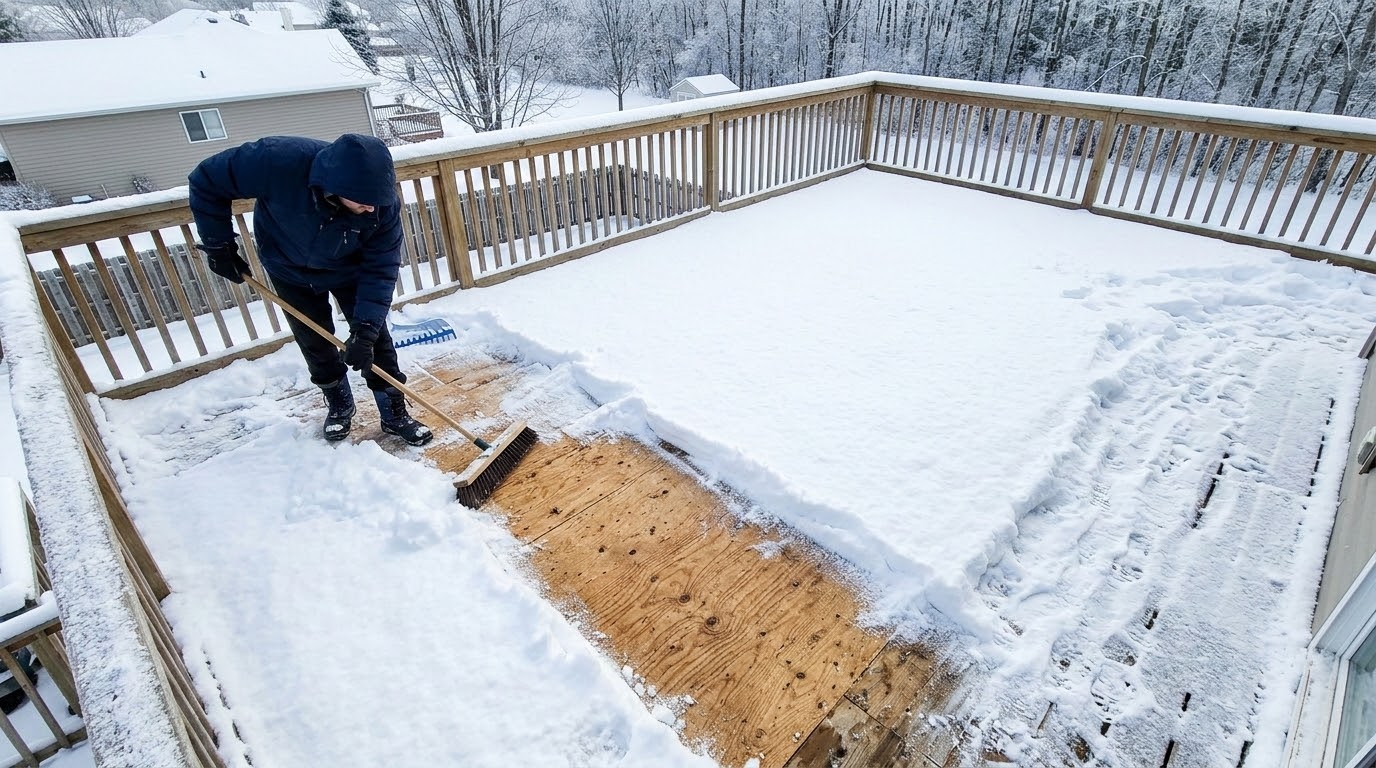 The roof deck needs to be clean and completely dry before any shingles go down, regardless of season, but this step carries more weight in winter.
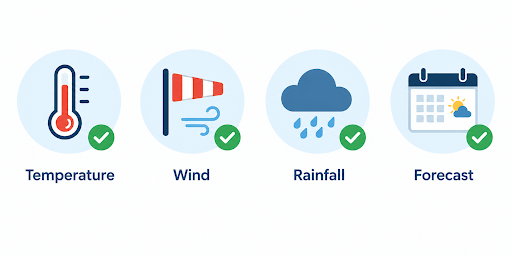 Temperature is only one factor in deciding whether conditions are safe and suitable for installation.
Handle and Store Shingles Correctly
Cold temperatures affect shingles before they even reach the roof.
Store shingle bundles in a heated space at 70°F or higher for at least 24 hours before installation, and bring smaller batches onto the roof at a time rather than staging the full order, so they don’t cool before use.
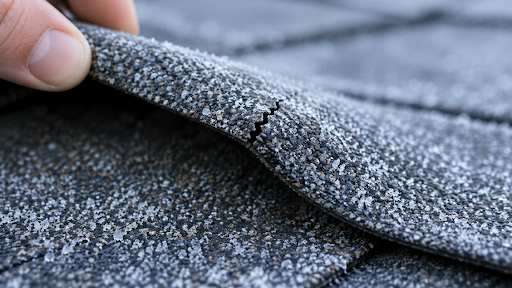
Avoid unnecessary folding, bending, or dropping bundles, since cold shingles are far more prone to cracking under rough handling than the same product in warm weather.
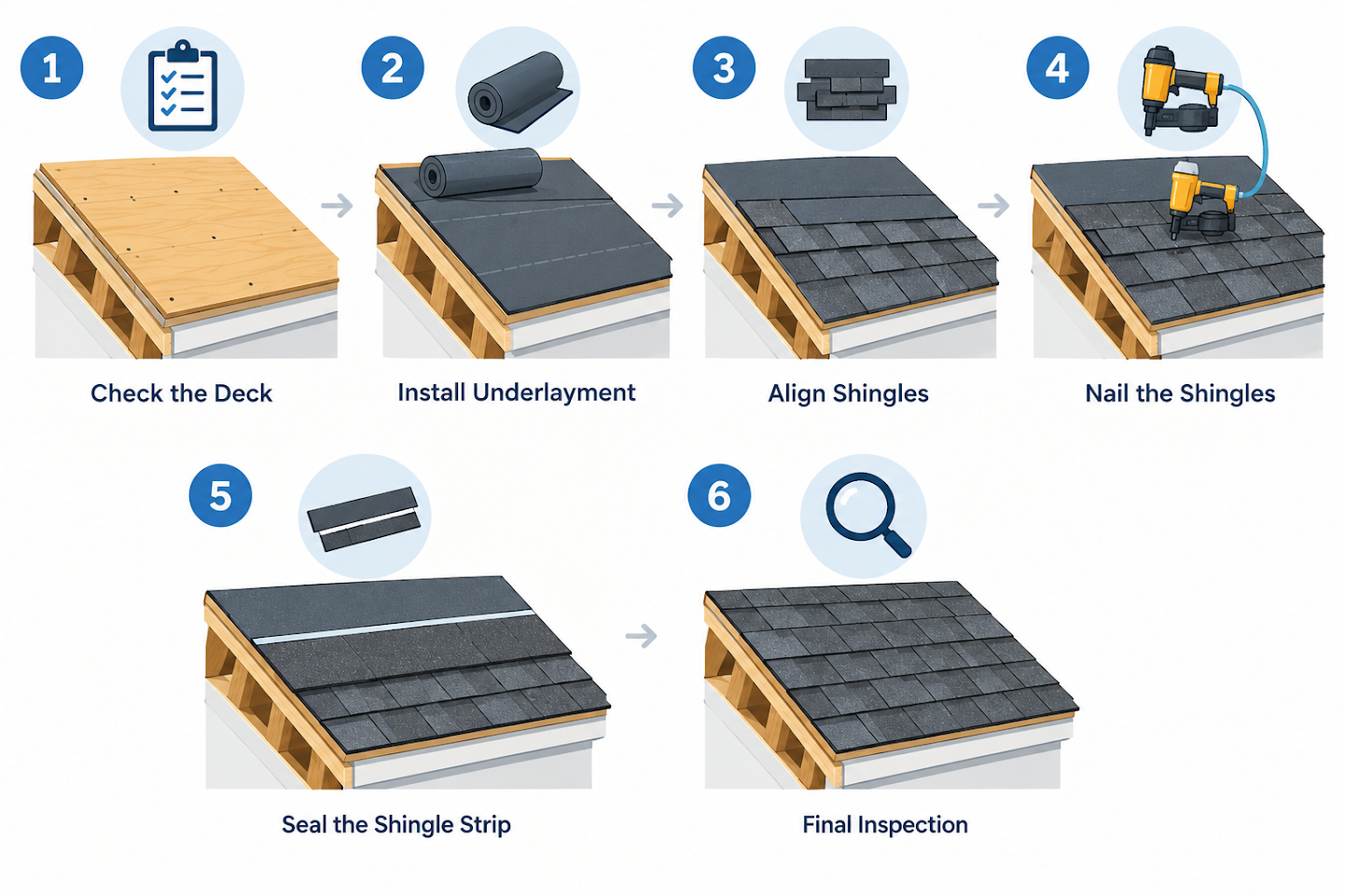
Once conditions have been confirmed as suitable, the installation process itself follows a clear sequence. As a GAF Master Elite contractor (top 2% nationwide) with 10,000+ projects completed since 2012, we know exactly where cold-weather installs tend to go wrong when steps get rushed. Every job is backed by workmanship warranties up to 25 years (5-year standard, 10-year GAF Silver Pledge, 25-year GAF Golden Pledge). The steps below build directly on the checks covered above, without repeating that detail.
Recheck current weather and roof surface conditions against the manufacturer’s minimum requirements right before work begins. If conditions don’t meet those requirements, or if the forecast turns unsafe, the job should wait.
Inspect the deck for damage, moisture, or debris. A clean, dry, structurally sound deck is the foundation on which every other step depends. Our roof installation crew confirms this before a single shingle goes down.
Roll out the required underlayment and position flashing around chimneys, vents, and other roof penetrations. These layers need to be installed correctly before the shingles, since they’re much harder to fix afterward.
Start the layout according to the manufacturer’s recommended pattern, keeping exposure and alignment consistent across each row. Cold shingles need to be positioned carefully and adjusted minimally, since repeated repositioning increases the risk of cracking.
Use the number and placement of roofing nails specified by the manufacturer. Nail guns should be calibrated for the temperature and shingle thickness, since cold, brittle shingles are more likely to crack under an overdriven nail.
Check that each adhesive strip lines up correctly with the shingle above it. If the temperature is too low for the strip to activate promptly, hand sealing with an approved asphalt cement is the standard backup method.
Once the roof is finished, check alignment, exposure, and nail placement across the full surface. Look for any shingle that’s lifted, cracked, or out of position before calling the job complete. Many contractors follow this with a formal roof inspection to confirm everything meets the product’s installation requirements.
Cold weather doesn’t rule out a shingle roof installation, but it does change how the job needs to be handled. Success depends on suitable conditions, careful material handling, following manufacturer instructions, correct fastening, and proper sealing. If conditions don’t meet the product’s requirements or aren’t safe for the crew, waiting for a better window is the right call, not a shortcut worth skipping.
At Statewide Roofing Specialist, our residential roofing crew plans every cold-weather job around the specific shingle product and your roof’s conditions, so nothing gets rushed just to beat the weather. If a previous winter installation left you with shingles that never sealed properly or came loose, our roof repair team can take a look and get them fixed before they become a bigger problem. Give us a call at 336-936-5245 to schedule an inspection or ask about your specific roofing project.
Yes, asphalt shingles can be installed in winter. Cold temperatures change how shingles handle and seal, but they don’t make installation impossible. Success depends on following the manufacturer’s cold-weather instructions, handling with care, and confirming that the roof surface and forecast are safe to work in.
Yes, 40°F is widely cited as the practical minimum for easy shingle handling and reliable adhesive sealing. Installation at this temperature typically doesn’t require any extra precautions beyond normal care, though it’s still worth checking the shingle manufacturer’s specific instructions before starting.
Yes, shingles can be installed below 40°F, but it requires extra care. Manufacturers generally recommend hand sealing with approved asphalt cement, gentler handling to avoid cracking, and confirming the specific product’s cold-weather guidelines before proceeding with the job.
Shingles can still seal in cold weather, but the process slows down significantly compared to warm conditions. The adhesive strip needs heat, usually from sunlight, to bond fully. Until that happens, hand sealing is often used as a temporary backup to prevent wind lift.
Shingles installed at temperatures below 40°F without precautions may become brittle and crack during handling, and the adhesive strip may take much longer to bond. Without hand sealing as backup, unsealed shingles stay vulnerable to wind lift until warmer weather activates the strip naturally.