Oct 13, 2026
Green Bay Hail Damage Roof Replacement: GAF Timberline HDZ in Barkwood

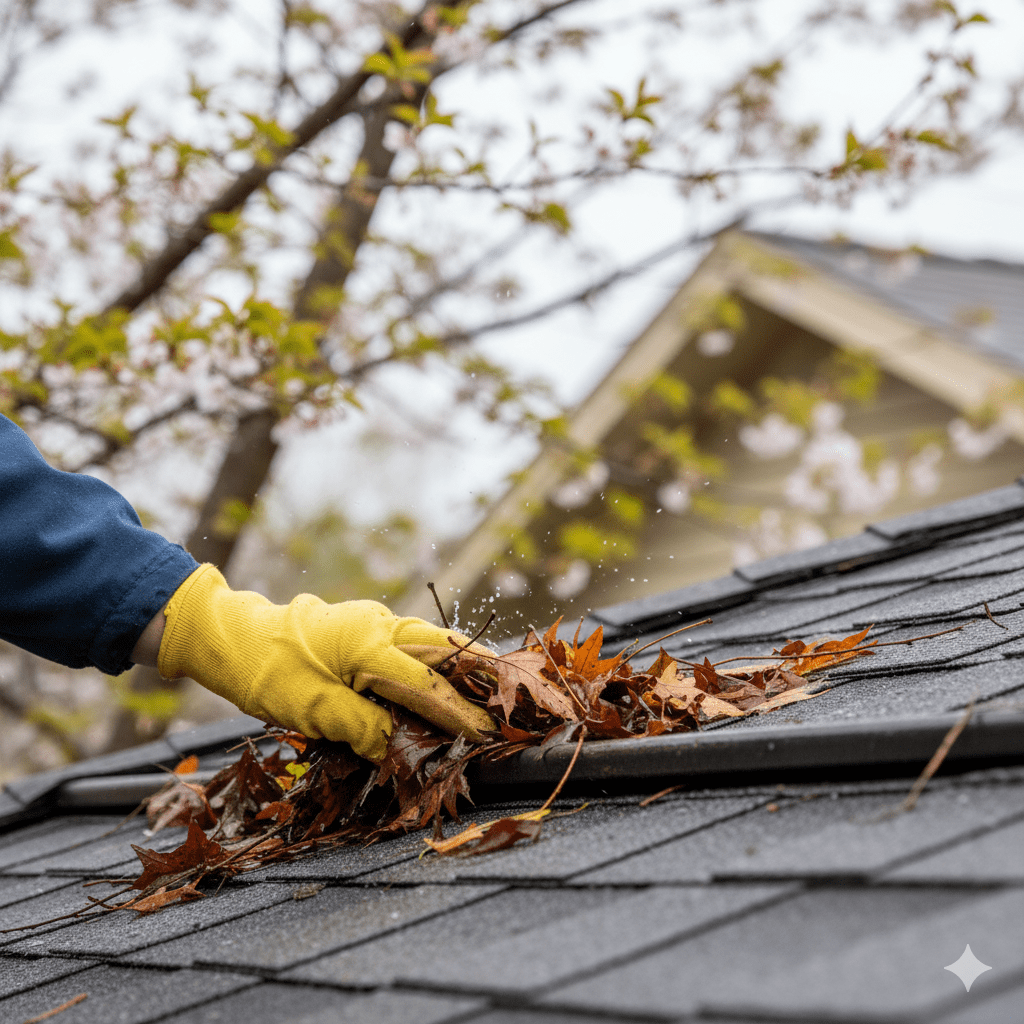


If you ever see a tiny dark spot on your ceiling after heavy rain, don’t just ignore it. Leave it unchecked for a few weeks, and that small leak has turned into water stains, mold, and costly repairs. In fact, even a minor, unnoticed leak can cost tens of thousands of dollars to fix later on. So, how do you properly carry out a routine roof maintenance checklist to prevent your roof from leaking? That’s exactly what this blog is for.
In this guide, you’ll get:
Roofs don’t last forever, but knowing how long yours can last helps you plan repairs wisely.
Aging roofs may need additional maintenance to last longer. So, how do you know if your roof is just aging gracefully or quietly falling apart? Keep an eye out for early warning signs:
Sometimes, damage comes from events, like a tree branch falling, while other times it’s just old age. Here’s a quick way to find out: Go up in your attic or crawlspace with a flashlight when it’s raining hard. If you see leaks, especially more than one, or even a single one that looks serious, that means your roof needs fixing. If lots of leaks are happening at once, it’s time to replace the roof.
Following solid roof maintenance tips keeps your roof strong and leak-free.

Spring is the perfect time to recover from winter’s wear and tear.
Professional Tasks:
Pro Tip: Spring is one of the best times to clean your roof.

Summer is brutal. The heat, the sun, and the UV rays are constantly beating down on your shingles and tiles.
Professional Tasks:

After a lot of rain, you might see weak spots and leaks.
Safety Tip: To stay safe, don’t fix anything when it’s windy or climb a wet roof.
Professional Tasks:

Autumn is the prep season for colder months.
Professional Tasks:
Checklist Frequency Tip: Clean your roof and check it at least twice a year—spring and autumn. This keeps small issues from turning into big, expensive repairs. That’s why every homeowner needs a roof maintenance plan.
Knowing your roof type helps you focus, catch problems early, and save money. Here’s a simple breakdown of how to maintain a roof:
| Roof Type | Common Risks / Warning Signs | Key Maintenance Tips | Early Detection Indicators |
|---|---|---|---|
| Asphalt Shingle | Cracks, curling, missing shingles, granule loss, moss/algae | Check twice a year, clear debris, clean gutters, treat moss/algae | Granules in gutters, small leaks, curling shingles |
| Metal | Rust, loose fasteners, dents from debris/hail | Check fasteners after storms, rust-proof coating, and clear leaves/branches | Rust spots, missing screws, water pooling |
| Tile | Cracks, shifting tiles, damage from seismic activity | Check broken tiles, make sure they’re seated right, trim branches | Cracks, gaps, leaks after heavy rain |
| Flat / EPDM Membrane | Ponding water, joint separation, and membrane tears | Ensure drainage, inspect seams, patch small tears, and clear debris | Standing water, tiny rips, mold/algae |
Tip: If you are wondering which roofs are the easiest to maintain, metal roofs and high-quality tiles usually require the least day-to-day attention, while asphalt shingles need constant babysitting or they wear out fast.
You can handle easy stuff like cleaning, clearing gutters, and scrubbing moss or algae, but bigger problems like fixing flashing, structural leaks, coatings, or putting in membranes may need a professional touch.
Need someone to inspect, repair, or make your roof last longer? Contact Statewide Roofing Specialist. We’ve got the tools, expertise, and experience to handle everything from minor maintenance to major fixes.
Typically, asphalt shingles start showing serious wear around 20–25 years, while high-quality tiles and metal roofs can go 40+ years. But the best indicator isn’t just age; it’s visible signs of damage and repeated leaks. If you’re seeing multiple problem areas or inside-attic water stains, it’s probably time to think about replacement rather than patching.
Clean gutters, trim branches that scrape your roof, and keep an eye out for moss or algae. For aging roofs, roofing maintenance, like applying roof coatings or liquid membranes, can add years.
Not really. Wet roofs are slippery and dangerous. Stick to dry days when following your seasonal roof maintenance tips. Safety first, even when you just want to get the moss off.
Spring to clear winter debris, and fall to prepare for the wet season. Following a roof maintenance plan during these times keeps your home safe and your roof in shape for years.
A standard home usually takes 2–5 hours for a thorough cleaning. If you include inspections and small repairs, completing a full roof maintenance checklist might take longer, but it’s worth every minute to avoid bigger problems later.