Oct 13, 2026
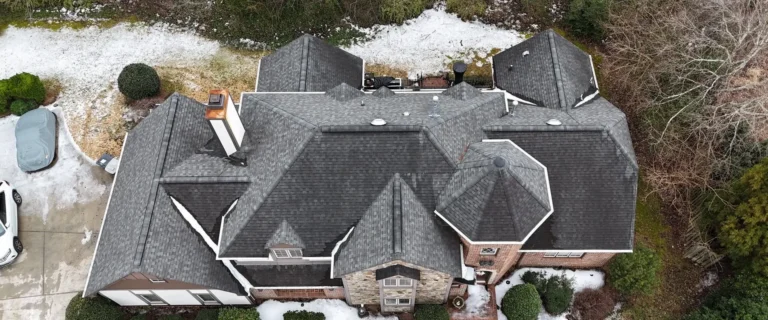
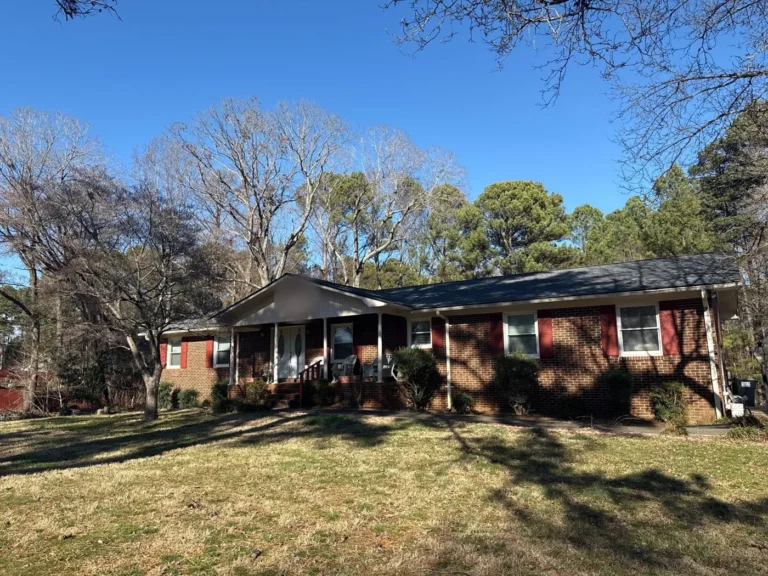
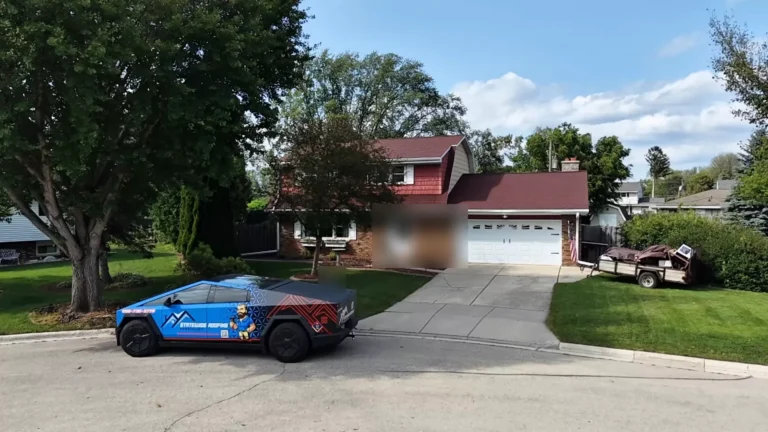
Green Bay Hail Damage Roof Replacement: GAF Timberline HDZ in Barkwood



Waking up to a dripping water ceiling and creeping mold silently spreading through your walls, the sudden realization hits you that your home’s structure is rotting.
Why?
Just because you ignore a vital factor: roof flashing, and with Piedmont Triad’s poor weather conditions, where 42.3 inches of rainfall occur yearly, with July and August bringing torrential thunderstorms, your roof is in danger.
Surprisingly, as per reports, 90% of roof leaks triggering over $31 billion in U.S. repair costs in 2024 stem from faulty or missing flashing at vulnerable spots like chimneys and vents.
A single leak can cost $900, but deeper damage can reach $89,000. So, choosing proper flashing protects your home, saves you money, and prevents disaster—act before it’s too late.
Roof flashing is a thin, waterproof barrier that is made of metal and strategically installed at vulnerable points on your roof where leakage is most likely to occur.
Roof flashing is like an insurance policy of your roof against leaks and helps in directing water away from major areas like chimneys, skylights, vents, and where different roof planes meet.
Humidity and Moisture Buildup:
The humid subtropical climate facilitates the accumulation of moisture around your roofing in Winston-Salem. When flashing is damaged, humid air can seep into your roof, speeding up the wear on shingles and encouraging algae or moss to grow, which can damage roofing materials.
Severe Weather Events:
The Piedmont Triad suffers strong winds, especially in fall and winter storms, with speeds sometimes over 40-60 mph. These winds can lift shingles and damage flashing, which creates gaps where water can get inside your home. Without strong flashing, even small amounts of wind damage can lead to serious leaks.
Temperature Fluctuations:
As a citizen of a place like Winston-Salem, you may experience significant fluctuations in temperatures. Roofing materials expand and contract when the temperature changes, which can result in poor-quality flashing to crack. Flashing made from durable materials like copper or aluminium can handle these temperature changes and protect your roof.

It is used where your roof meets a vertical wall, such as dormers or multi-level homes. It’s installed in overlapping pieces to create a step pattern, helping water flow down and away from the wall.
Counter flashing is commonly used around chimneys. It has two parts: Base flashing goes around the bottom of the chimney, counter flashing fits into the wall, giving extra protection.
It is installed where two roof slopes meet to create a “V” shape. This area gets a lot of water during storms, so strong valley flashing is essential for homes in the Piedmont Triad.
A round flashing that seals around plumbing vents and damaged pipes. The rubber part usually needs replacing every 10-15 years.
This type of flashing is used around skylights to prevent water from pooling at the edges. It requires careful installation.
Installed along the edges of your roof to direct water into gutters, preventing it from running down the fascia boards.
| Material | Best For | Lifespan | Pros | Cons |
|---|---|---|---|---|
| Galvanized Steel | Budget-friendly homeowners | 20-30 years | Affordable, readily available, and ideal durability | Exposed to rust, requires zinc coating maintenance |
| Aluminum | Most Piedmont Triad residential applications | 25-40 years | Lightweight, excellent corrosion resistance, flexible for complex roof designs | Can dent under impact, requires proper coating for maximum durability |
| Copper | Premium installations and historic homes | 50+ years | Great longevity, develops an attractive patina, and excellent corrosion resistance | High upfront cost, requires professional installation |
| Lead-Coated Copper | Historic restoration projects | 100+ years | Ultimate durability, exceptional weather resistance | Very high cost, specialized installation requirements |
The installation of roof flashing can vary as it is based on complexity, materials, and location within your home. For Piedmont Triad homeowners, expect these average ranges for complete flashing replacement:

Contact a professional roofing specialist immediately if you notice any of the signs mentioned below:
So, here’s your full guide on roof flashing, as it may be easy to overlook, but it’s your home’s first defence against water damage. Especially in the Piedmont Triad, which is known for its heavy rains, strong winds, and shifting temperatures, keeping flashing in good shape is essential.
From choosing the right materials to staying on top of regular inspections and fixing small issues early, you’ll save money and avoid major repairs. And when in doubt, call a professional—quick action protects your home, boosts energy efficiency, and gives you peace of mind.
Lifespan varies by material—galvanized steel lasts 20-30 years, aluminum 25-40 years, and copper 50+ years. However, Piedmont Triad’s climate conditions may affect these estimates.
While minor sealant touch-ups might be possible for experienced DIYers, flashing repair and replacement should be handled by professional roofing contractors to ensure proper installation and warranty coverage
Professional inspections should occur twice yearly and after major storms. Given our region’s severe weather patterns, more frequent checks may be beneficial.
Base flashing attaches to the roof surface around structures like chimneys, while counter flashing embeds into the structure’s masonry, creating a two-layer protection system.
Rust formation can result from poor material quality, inadequate protective coatings, or exposure to high moisture levels common in our humid climate. Upgrading to aluminum or copper eliminates rust concerns.
Coverage depends on the cause of damage. Storm damage is typically covered, while normal wear and maintenance issues may not be. Document any storm-related damage promptly and contact your insurance provider.
Vent pipe flashing failures are among the most common, particularly where rubber boots crack from UV exposure. These are also among the most affordable repairs when caught early.
If your roof is approaching 20 years old or you’re replacing roofing materials, it’s cost-effective to replace all flashing simultaneously. This ensures uniform protection and eliminates the need for future partial replacements.
The humid summers, temperature fluctuations, and high winds create unique challenges. Moisture can become trapped under compromised flashing, while thermal expansion and wind can cause physical damage to inferior materials.
At Statewide Roofing Specialist, our GAF Master Elite certification allows us to offer warranty options up to 25 years, depending on the roofing system.