Oct 13, 2026
Green Bay Hail Damage Roof Replacement: GAF Timberline HDZ in Barkwood



Key Takeaways
|
If you’re planning to install a metal roof, the first question is usually simple: How much is it actually going to cost? The answer isn’t a single number. In North Carolina, the total cost depends on the type of metal you choose, your roof’s size and design, whether your existing roof needs to be removed, and even where your home is located.
Because so many factors affect the final price, it’s important to understand where your money goes before comparing contractor estimates. This guide breaks down average metal roofing costs in North Carolina, explains what influences pricing, compares different roofing materials and styles, and helps you estimate a realistic budget for your home.
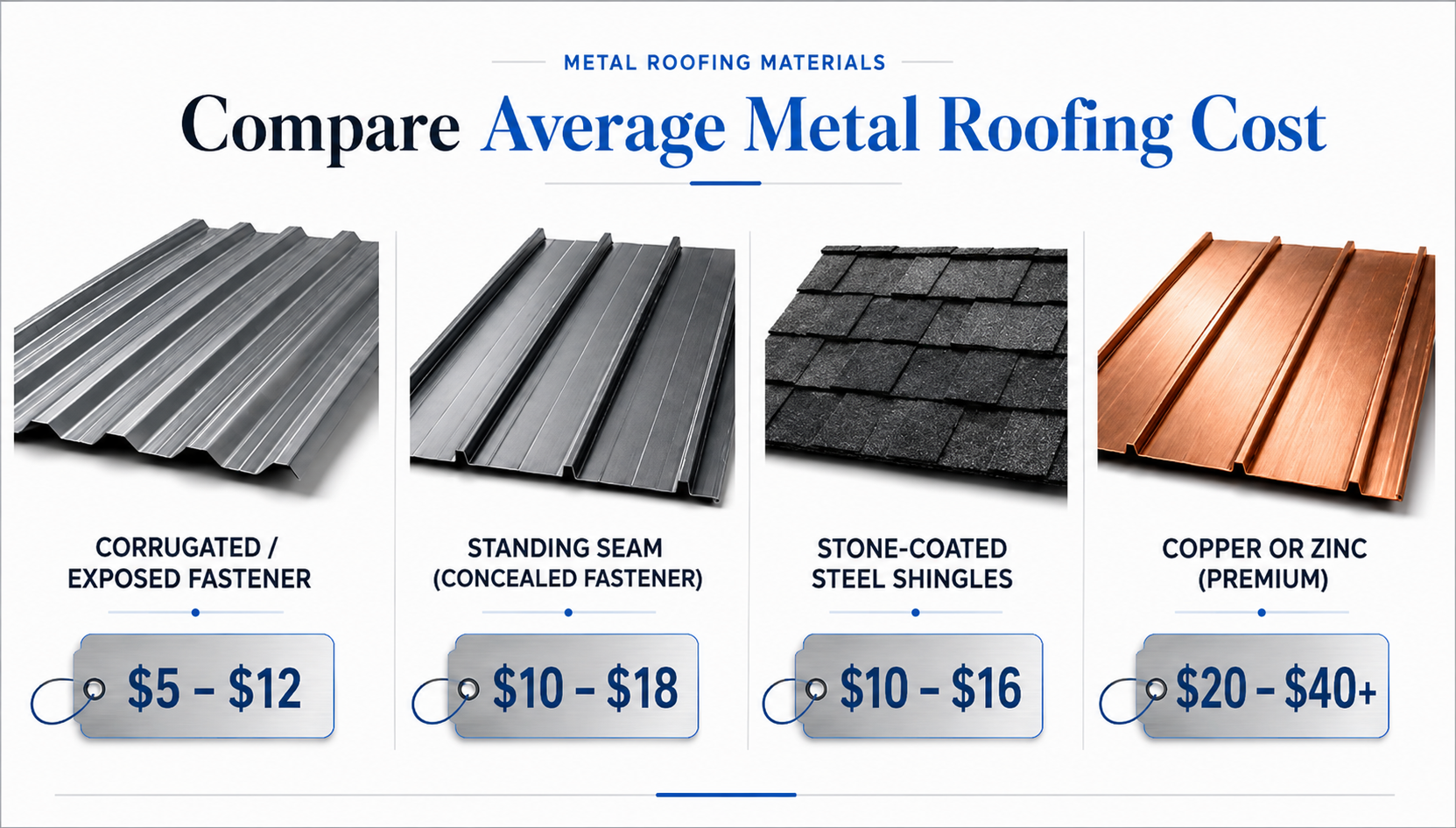
A residential metal roof in North Carolina costs $7 to $20 per square foot installed, or roughly $16,000 to $40,000 for a standard 2,000-square-foot home, depending mainly on panel style and metal type.
| Metal Roof Type | Installed Cost Per Sq. Ft. |
| Corrugated / Exposed Fastener | $5 – $12 |
| Standing Seam (Concealed Fastener) | $10 – $18 |
| Stone-Coated Steel Shingles | $10 – $16 |
| Copper or Zinc (Premium) | $20 – $40+ |
Ask your roofing contractor whether the estimate is priced per square foot or per roofing square (100 square feet). Confusing these two measurements is one of the most common reasons homeowners are surprised by the final roofing cost.
Two regional factors move NC pricing more than anything else:
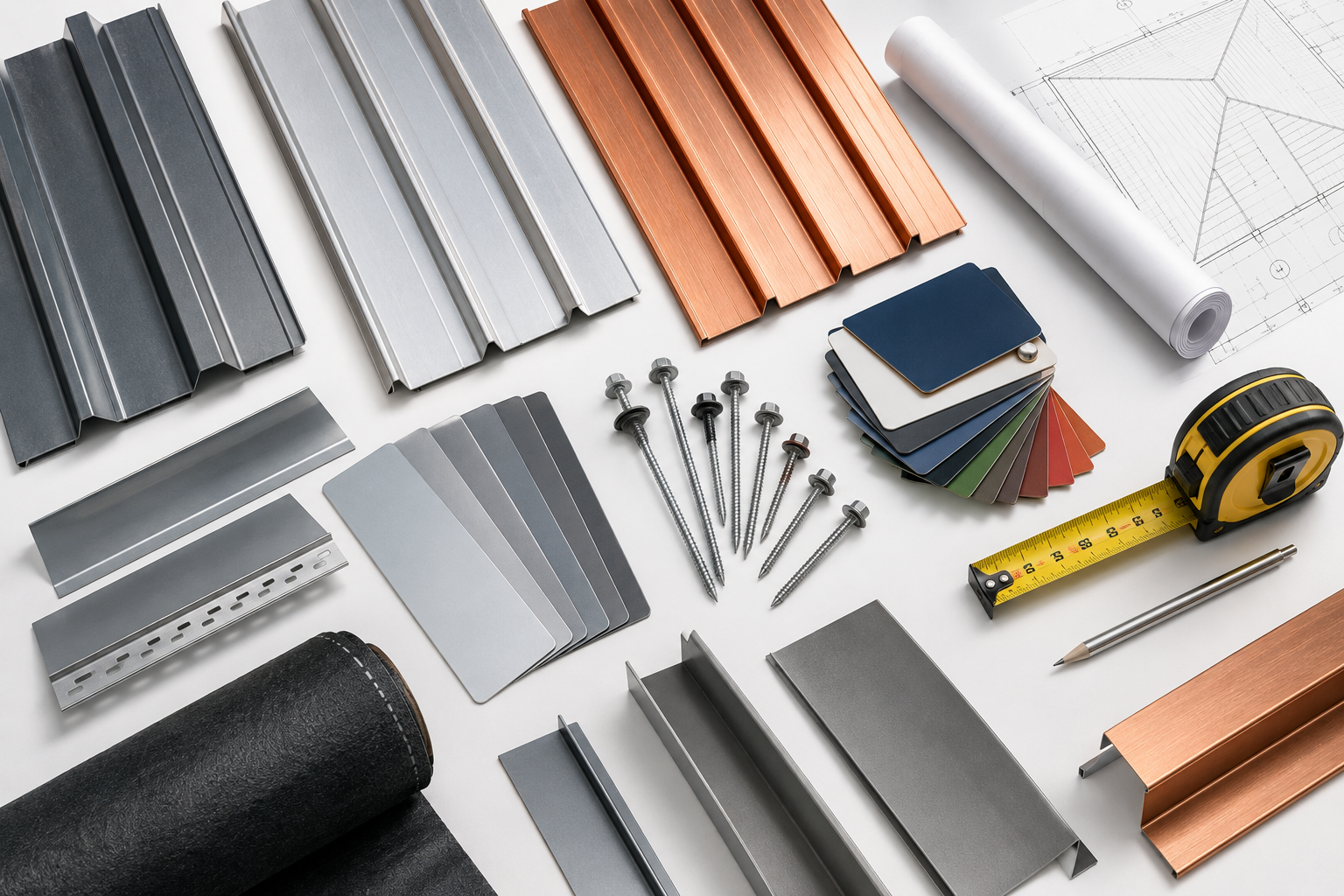
Metal roofing cost is driven by material type, metal thickness (gauge), finish coating, roof complexity, and labor, not any single factor alone.
Metal roofing cost depends on several factors, including the material you choose, panel thickness, finish quality, roof design, and installation requirements. Each factor can influence the overall project price and long-term performance of your roof.
The type of metal has a major impact on roofing costs. Steel is usually the most affordable option, while premium materials like copper and zinc can cost 3–5 times more due to their durability, appearance, and longer lifespan.
The thickness of metal panels affects both price and performance. Thicker 24-gauge panels typically cost 25–40% more than thinner 26-gauge panels but provide better durability and resistance against weather conditions.
The type of protective coating used on metal panels can change the total cost. Premium PVDF (Kynar) finishes generally cost around 30–40% more than standard SMP coatings but offer better color retention and protection against fading.
The design and layout of your roof can increase installation costs. Steeper roofs, multiple angles, valleys, dormers, and custom flashing requirements require more labor, time, and specialized installation work.
Additional materials like underlayment, drip edges, flashing, and trim contribute to the overall roofing cost. These components typically add around 15–25% to the total material expenses but are essential for moisture protection and proper installation.
Labor costs vary depending on your location, contractor experience, and certification level. Skilled installers may charge more, but proper installation helps prevent leaks, reduces maintenance needs, and protects your roofing investment.
A heavier metal gauge may cost more upfront, but it offers better durability and impact resistance during North Carolina hailstorms. Investing in a thicker gauge can reduce the risk of storm damage and costly repairs, making it one area where cutting corners is rarely worth the savings.
Material choice is the single biggest driver of metal roofing cost, with prices ranging from about $5 to $40+ per square foot depending on the metal.
| Material | Installed Cost Per Sq. Ft. | Typical Lifespan |
| Steel (Galvalume/Galvanized) | $5 – $13 | 40 – 60 years |
| Aluminum | $7 – $15 | 40 – 70 years |
| Standing Seam Steel (Painted) | $10 – $18 | 50 years |
| Copper | $20 – $40+ | 75+ years |
| Zinc | $20 – $40+ | 80+ years |
Steel remains the most common choice for Triad homeowners because it balances durability and price. Aluminum is worth considering mainly for coastal properties, since it resists corrosion better than steel. Copper and zinc are chosen for appearance and extreme longevity, not budget.
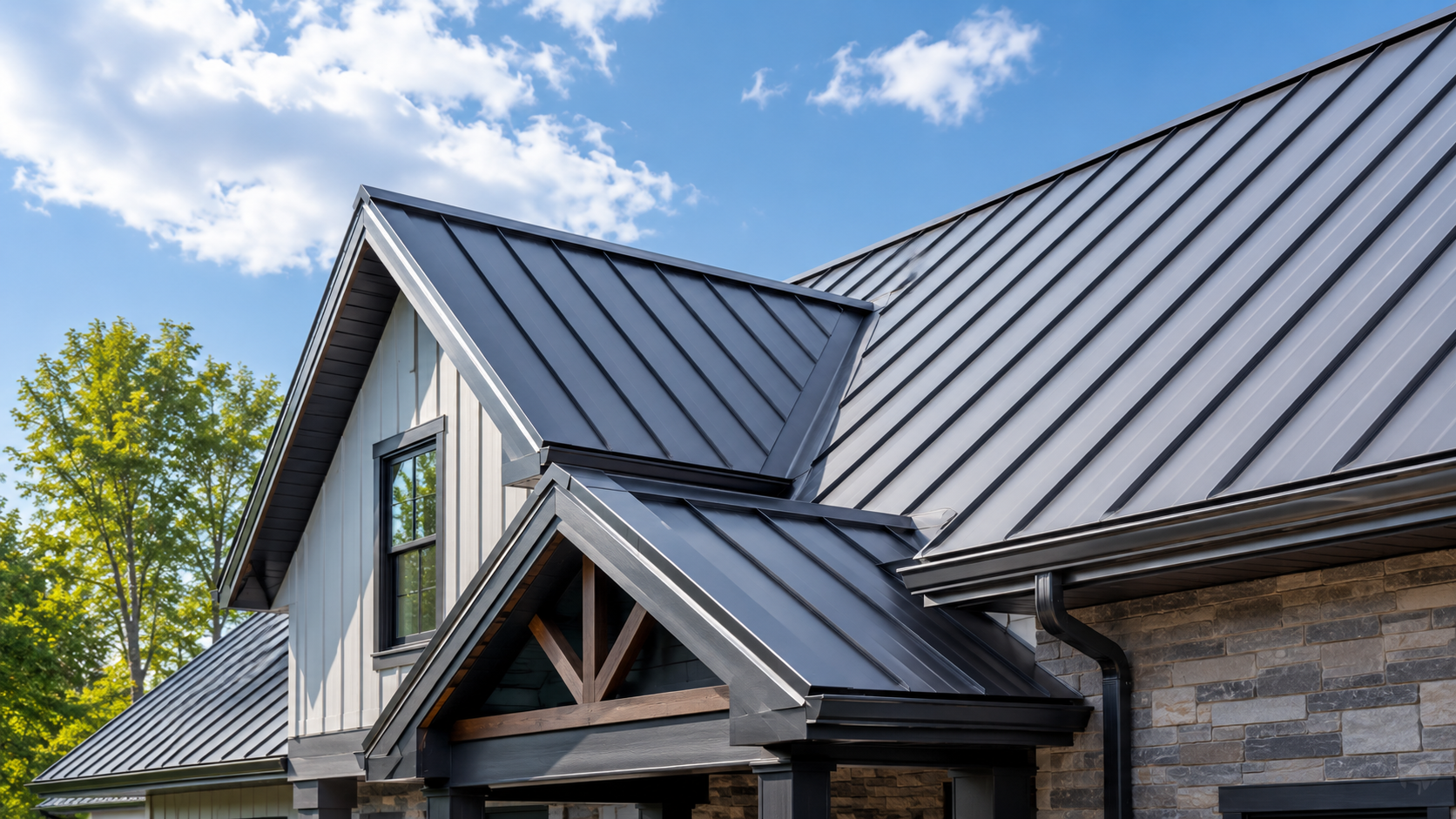
Standing seam roofing costs roughly 60% to 80% more than corrugated metal roofing because of its concealed fasteners and more labor-intensive install.
| Standing Seam | Corrugated | |
| Installed Cost Per Sq. Ft. | $10 – $18 | $5 – $12 |
| Fasteners | Hidden beneath interlocking seams | Exposed screws through the panel |
| Lifespan | 50 years | 25 – 40 years |
| Maintenance | Minimal, no exposed screws to fail | Screws need checking/tightening every 10–15 years |
The gap comes down to labor and hardware. Standing seam requires specialized clips, seaming tools, and precise cuts, while corrugated panels install faster with basic fasteners, which is why corrugated remains the go-to for barns and budget-focused projects.
Installing a new metal roof costs $7 to $20 per square foot for materials and labor combined, with installation labor alone making up 50% to 70% of that total.
| Material | Installed Cost Per Sq. Ft. | Best For |
| Steel (Galvanized/Galvalume) | $8 – $16 | Most residential homes |
| Aluminum | $10 – $17 | Coastal properties |
| Copper | $20 – $40+ | Luxury, long-term ownership |
A full tear-off typically costs $2,000 to $4,000 more than roofing over an existing roof, but it’s the only option that lets a contractor inspect the deck and protect your warranty.
| Tear-Off (Full Replacement) | Roofing Over Old Roof | |
| Added Cost | +$2,000 – $4,000 for removal & disposal | Saves 10–15% upfront |
| Deck Inspection | Yes, catches hidden rot | No, problems stay hidden |
| Warranty | Full material warranty applies | Often reduced or voided |
| Code Compliance | Meets most NC building codes | Restricted in many jurisdictions |
A thorough roof inspection can quickly determine whether your existing roof deck is structurally sound enough to support a metal roof installation over the current roofing material. Having this inspection completed before choosing the less expensive layover option can help prevent costly structural issues later.
Metal roofing is worth the cost if you plan to stay in your home long-term, since it lasts 40 to 70 years, two to three times longer than asphalt shingles, with minimal maintenance.
| Metal Roofing | Asphalt Shingles | |
| Installed Cost Per Sq. Ft. | $7 – $20 | $3 – $5 |
| Lifespan | 40 – 70 years | 15 – 25 years |
| Maintenance | Minimal | Regular |
| Storm/Hail Resistance | High (with correct gauge) | Moderate |
As a GAF Master Elite contractor, we back metal installations with warranty options up to 25 years, depending on the roofing system. A homeowner in North Carolina recently made this exact switch, choosing metal for their residential roofing project specifically for the long-term durability metal delivers over shingles.
Metal roofing offers the best long-term value if you live in a storm-prone area, want to avoid replacing your roof every 15–20 years, or plan to stay in your home long enough to benefit from its exceptional durability and lifespan. While the upfront investment is higher, the long-term savings on maintenance, repairs, and replacements often make it a cost-effective choice.
Choosing a metal roof is a long-term investment, so working with the right contractor matters just as much as choosing the right material. At Statewide Roofing Specialist, our GAF Master Elite-certified team provides honest recommendations, expert installation, and industry-leading warranty options to help protect your investment for decades. If you’re considering a metal roof, contact us today to schedule a free roof inspection and receive a detailed, no-obligation estimate tailored to your home.
Homeowners insurance may cover a metal roof replacement if the damage is caused by a covered event, such as hail, wind, or a fallen tree. It generally won’t cover replacement due to normal wear and tear, poor maintenance, or an aging roof. Review your policy or speak with your insurance provider to understand your coverage.
Yes. A metal roof can increase your home’s resale value because of its durability, energy efficiency, and long lifespan. Many buyers also appreciate the reduced maintenance and potential savings on future roof replacements.
Most residential metal roof installations take 2 to 5 days, depending on the size of the roof, weather conditions, roof complexity, and whether the existing roofing material must be removed before installation.
The best way to get an accurate estimate is to schedule a professional roof inspection. A contractor will measure your roof, assess its condition, discuss your material options, and provide a detailed quote that includes labor, materials, and any additional work such as tear-off or repairs.