Oct 13, 2026
Green Bay Hail Damage Roof Replacement: GAF Timberline HDZ in Barkwood



Key Takeaways
|
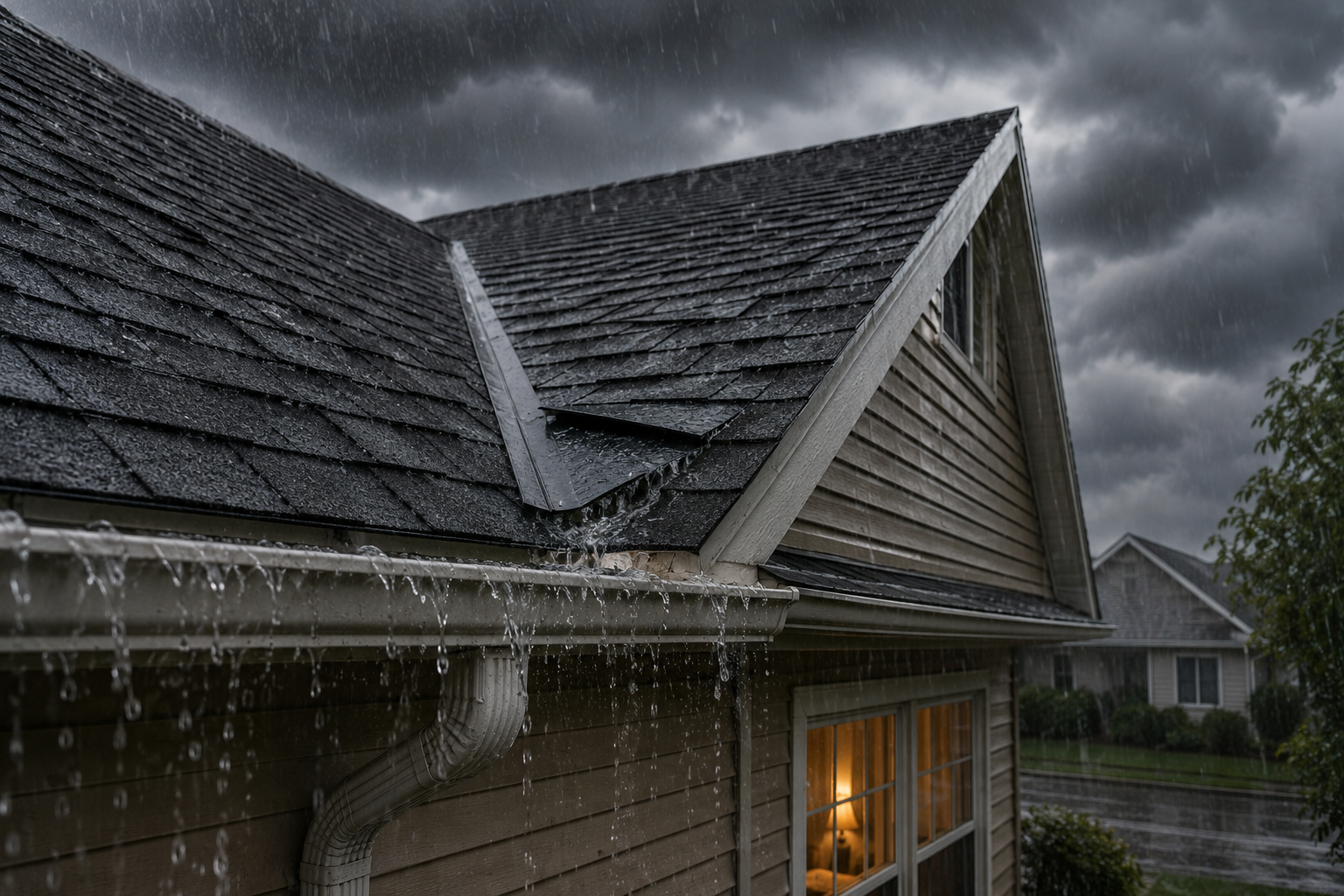
After a heavy rainstorm, it’s easy to assume your roof is fine if you don’t see a leak right away. Unfortunately, roof damage isn’t always visible. A lifted shingle or a small gap in the flashing can let water slowly seep beneath the roofing system, where it may lead to leaks, mold growth, and costly repairs over time.
That’s why Wisconsin homeowners should pay close attention after severe weather.
According to NOAA, Wisconsin experienced 63 billion-dollar weather and climate disasters between 1980 and 2024, including 44 severe storm events and 5 major flooding events. Heavy rain, strong winds, and hail from these storms can weaken roofing systems, even when there are no obvious signs of damage from the ground.
If you’re wondering whether your roof was affected, you’re in the right place. This guide explains the most common roofing problems after heavy rain in Wisconsin, the warning signs to watch for, typical repair costs, insurance considerations, and practical steps you can take to help prevent future roof leaks.
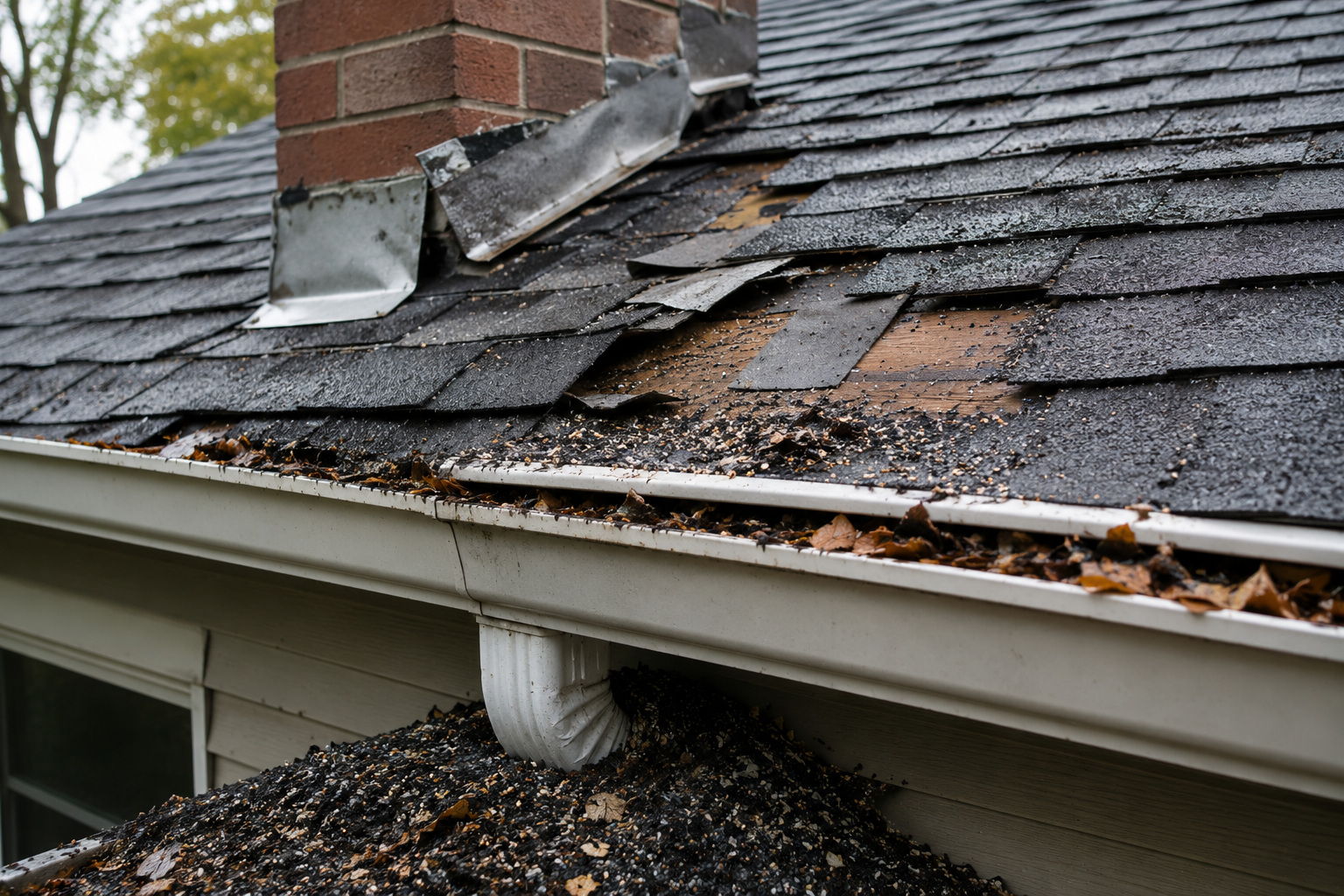
The most common roofing problems after heavy rain in Wisconsin include flashing leaks, lifted or missing shingles, overflowing gutters, shingle granule loss, and trapped attic moisture. These issues allow water to enter the roofing system, increasing the risk of leaks, wood damage, and mold if they are not addressed quickly.
The following are the most common roofing problems homeowners should check for after a heavy rainstorm:
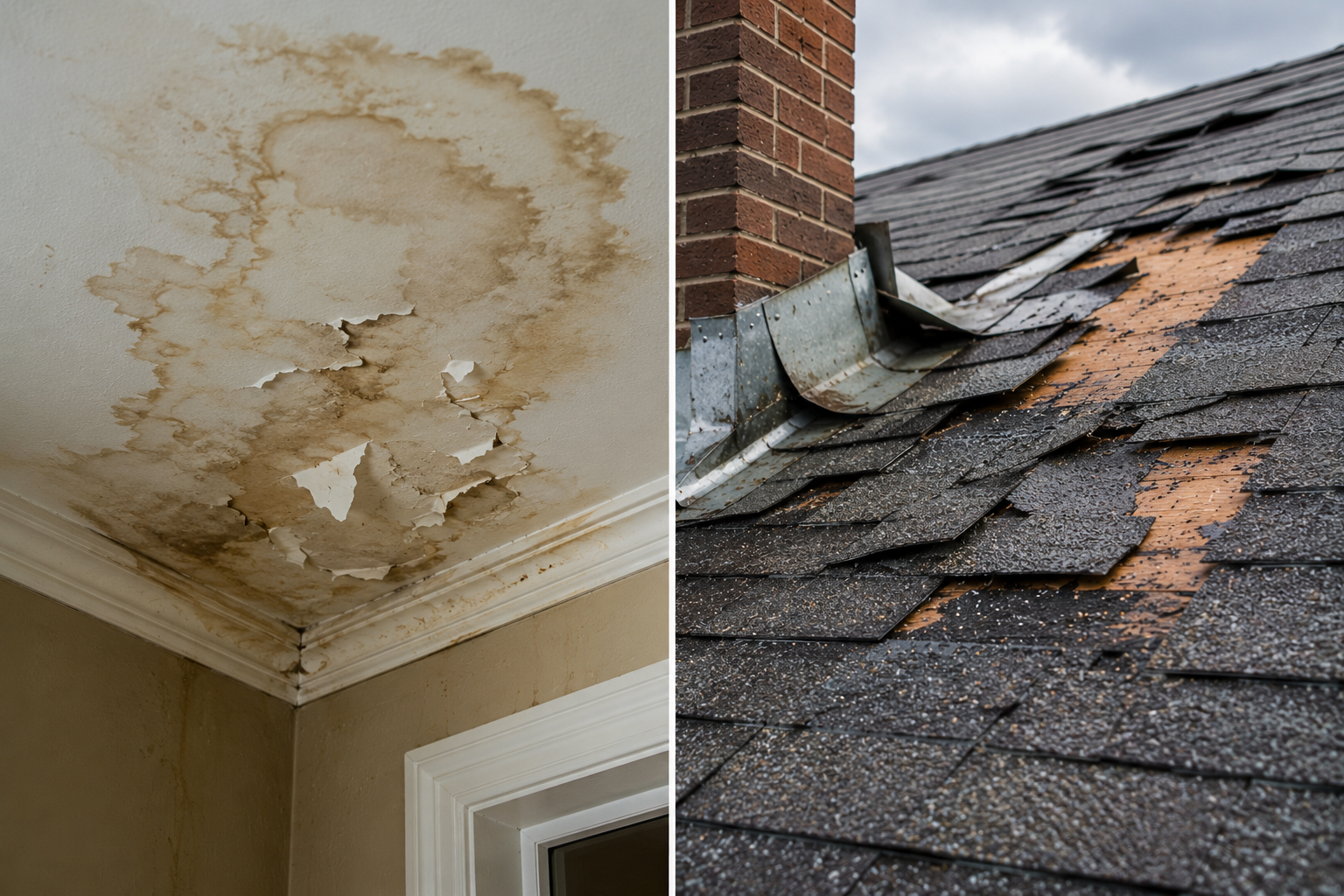
The most common signs of a roof leak after a storm include water stains on ceilings or walls, musty odors, peeling paint, and visible roof damage such as missing shingles, damaged flashing, or excessive granules in gutters. Checking both the inside and outside of your home can help you identify storm-related leaks before they cause more extensive damage.
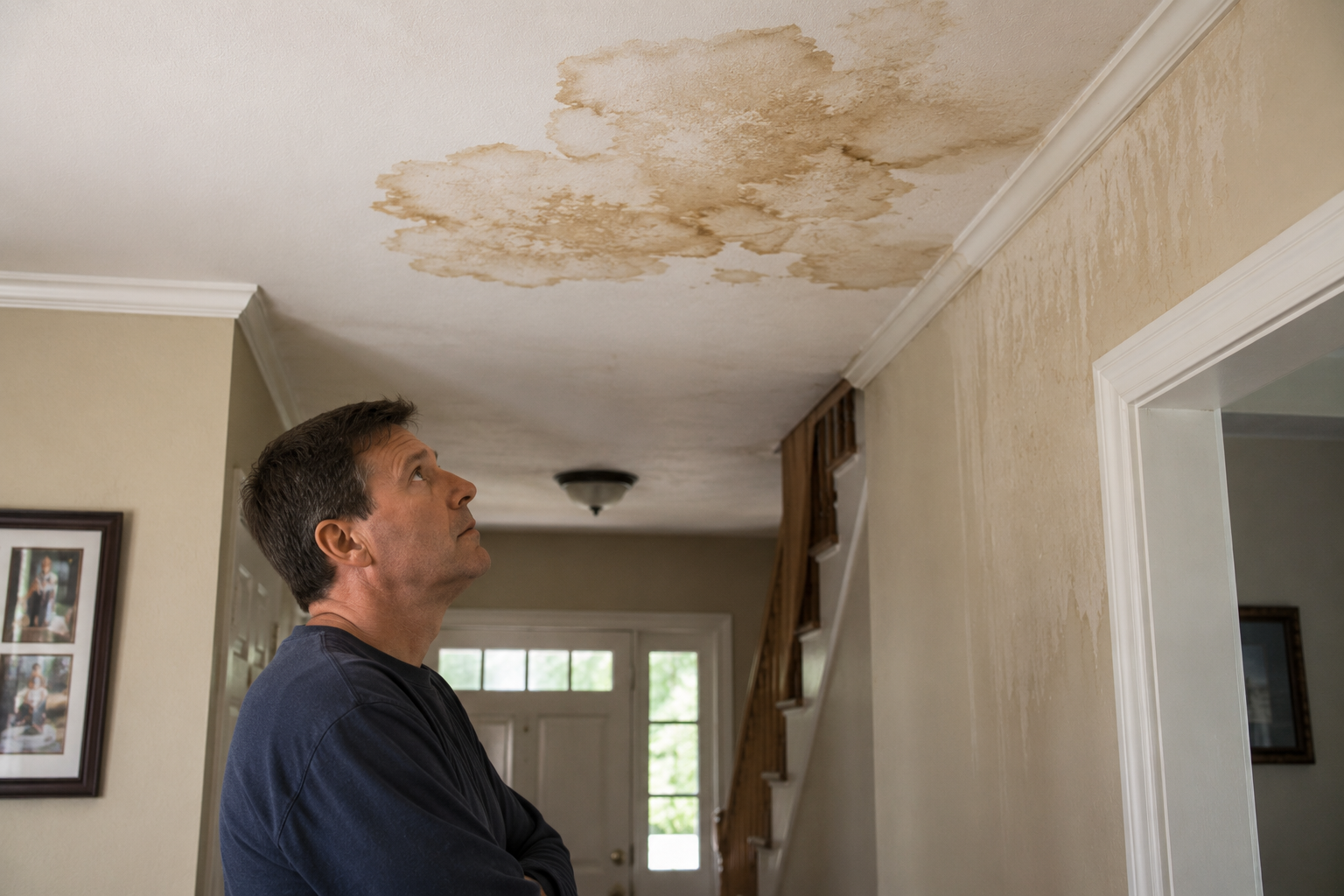
Inspect your home’s interior first, as water often appears indoors before the roof damage is visible from the ground.
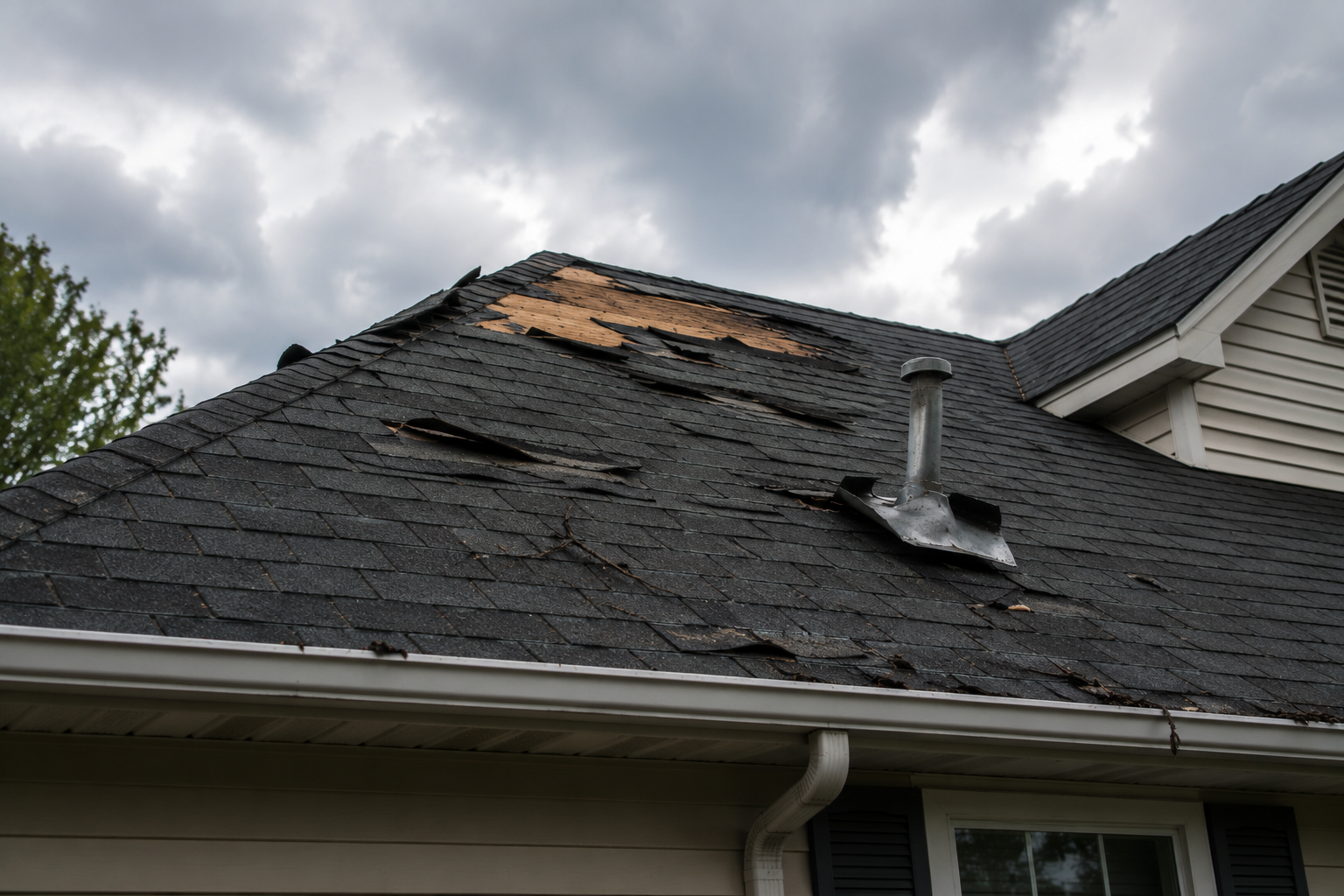
Examine the roof’s exterior for storm damage that could allow water to enter your home.
A Quora user suggested a few practical steps to follow after noticing a leaking roof. They explained that the first priority during an active leak is to clear any standing water on the roof, then have a professional identify the exact source instead of guessing. If the issue is only a hairline crack, the surface should be completely dry and clean before applying any patch so it bonds properly. It’s a good reminder that temporary fixes are only effective once the actual cause of the leak has been identified.
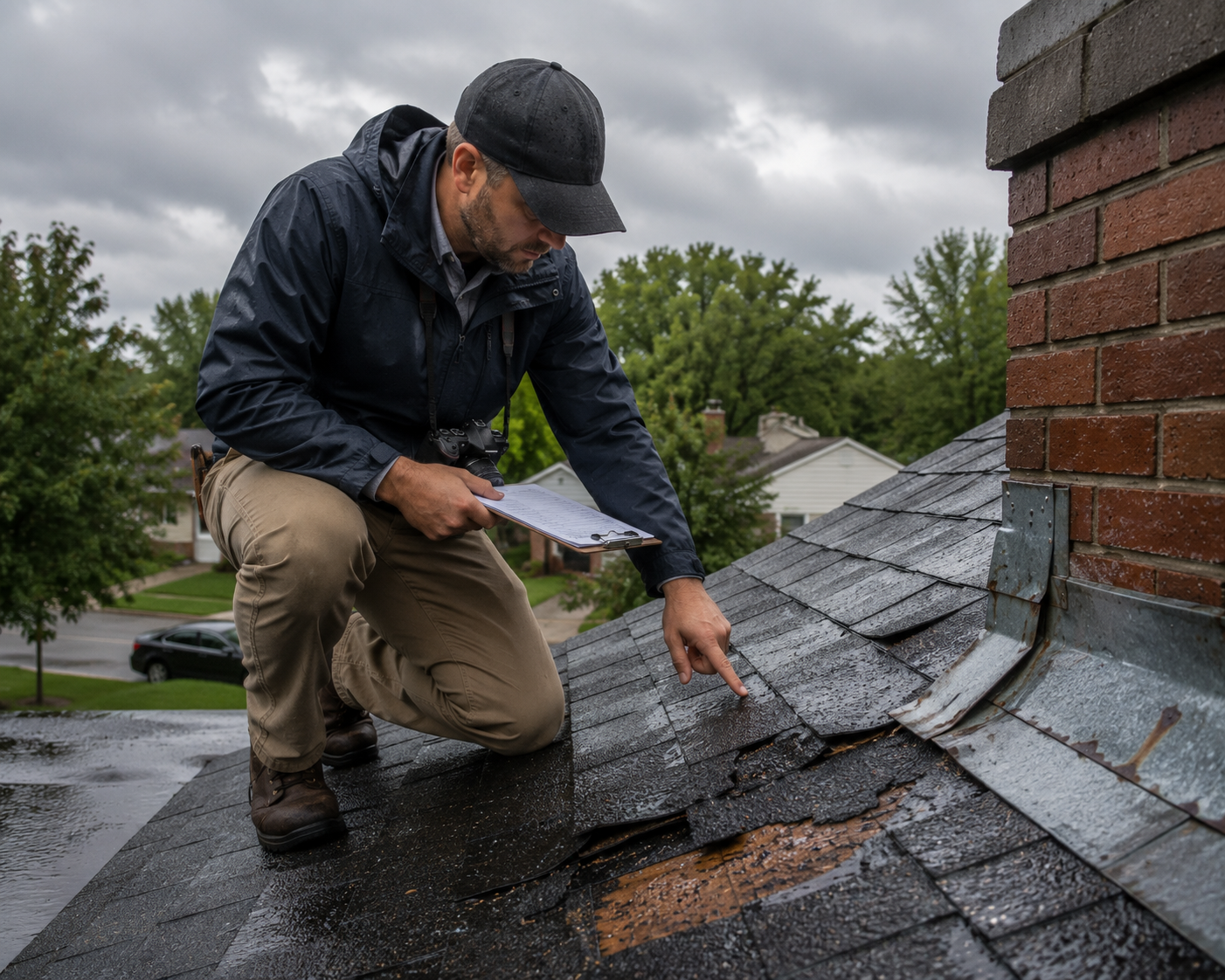
A roof inspection after heavy rain is worth scheduling even when nothing looks wrong from the ground. Storm damage is frequently invisible from a curb view, and waiting until a leak shows up inside usually means the damage has already spread further than it needed to.
Some situations require a roofing contractor immediately, while others can wait for a routine seasonal inspection. Contact a professional right away if you notice an active roof leak, missing or visibly damaged shingles, or water stains forming on your ceilings or walls, as these problems often become more costly the longer they are left untreated. Even if no visible damage is present, it’s a good idea to schedule a roof inspection after any storm that brings heavy rain, strong winds, or hail to identify hidden damage before it worsens.
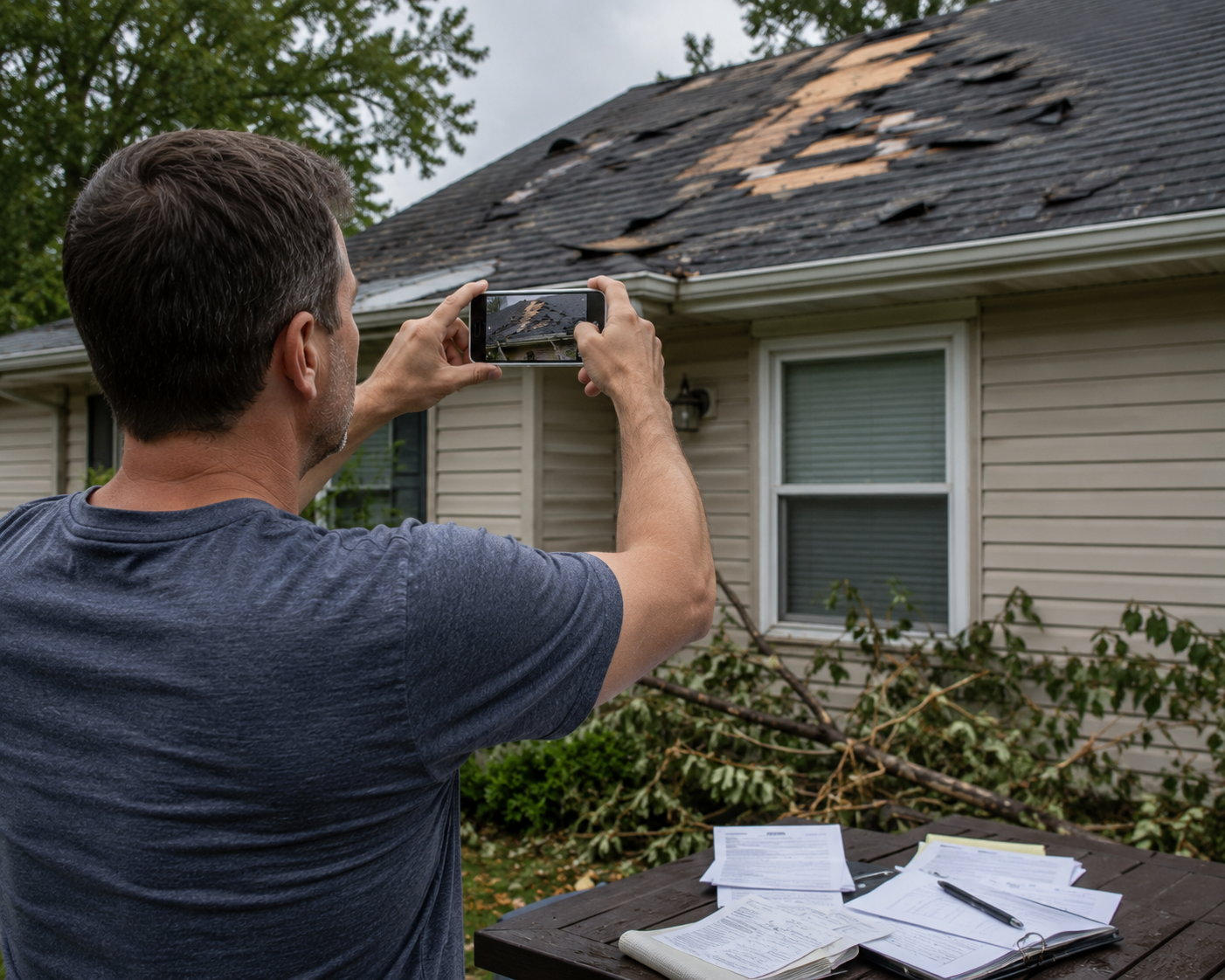
Homeowners insurance in Wisconsin typically covers roof damage from heavy rain when the damage is sudden and accidental, for example, wind-driven rain that lifts shingles during a specific storm. Most standard policies exclude damage that built up gradually from a roof that wasn’t maintained, since insurers treat that as a maintenance issue rather than a storm claim.
That documentation is often the difference between a claim being approved quickly and one being delayed or denied.
Repairing roof damage after heavy rain in Wisconsin typically costs $200 to $2,500 for localized repairs, while major storm damage can range from $2,500 to $8,800 or more. The total cost depends on the extent of the damage, the roofing material, and whether water has affected the roof structure or the interior of the home.
Roof repair costs increase as the damage extends beyond the outer roofing materials. The table below provides a general estimate of common repair costs in Wisconsin.
| Damage Severity | Typical Cost | Common Repairs |
| Minor Damage | $200–$800 | Replacing a few missing shingles, sealing small leaks, repairing minor punctures |
| Moderate Damage | $800–$2,500 | Replacing damaged flashing, repairing roof valleys, installing new pipe boots |
| Severe Damage | $2,500–$8,800+ | Replacing rotted roof decking, repairing structural sections, restoring multiple damaged roof slopes |
Rainwater that reaches the attic or interior of the home can significantly increase repair costs. These repairs often involve drying, rebuilding, and preventing long-term moisture problems.
| Interior Repair | Typical Cost | What It Covers |
| Water Extraction & Drying | $500–$2,500 | Removing standing water and drying affected materials |
| Ceiling & Drywall Repair | $2,500–$7,500 | Replacing damaged drywall, insulation, and restoring finished surfaces |
| Mold Remediation | $7,500–$15,000 | Removing mold, treating contaminated areas, and repairing affected building materials |
If heavy rain was accompanied by hail or strong winds, your homeowners insurance may help cover the repair costs, depending on your policy and the cause of the damage.
| Coverage Item | Typical Cost or Range |
| Insurance Deductible | $1,000–$2,500 |
| Full Asphalt Roof Replacement | $8,000–$20,000+ |
If an inspection shows the roof has widespread structural damage or cannot be repaired safely, replacing the entire roof is often the most cost-effective long-term solution.
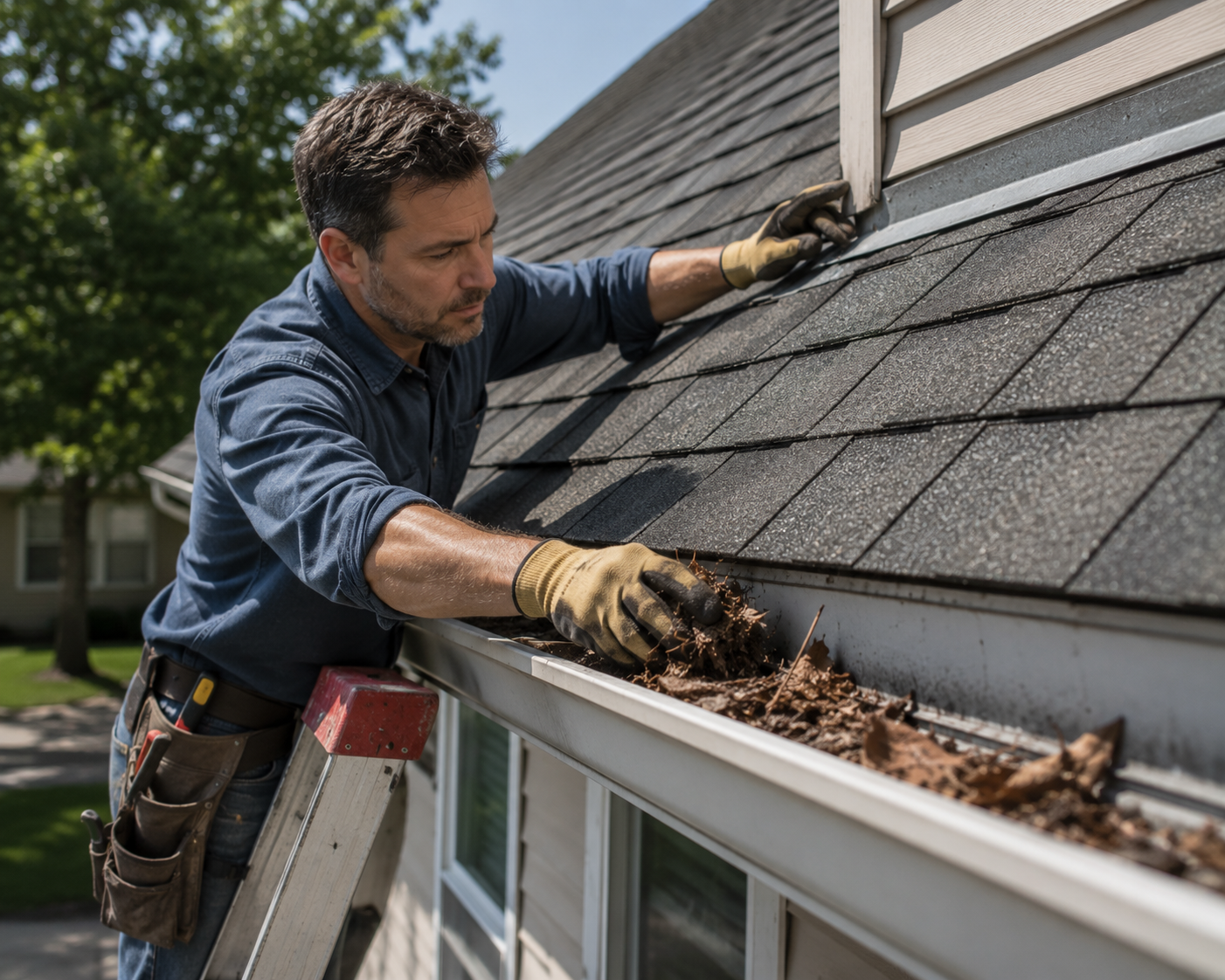
Most roof leaks are preventable with a few consistent habits rather than a single big fix.
If your roof has been through a recent heavy rainstorm, don’t wait for a small problem to turn into an expensive repair. A professional inspection can uncover hidden storm damage, helping you make informed decisions about repairs, maintenance, or insurance claims before the problem worsens.
At Statewide Roofing Specialist, we combine thorough, documented storm inspections with advanced drone technology to safely identify damage that may be difficult to see from the ground. Whether you need a routine roof assessment or 24/7 emergency roofing services after severe weather, our experienced team is ready to respond quickly. Contact us today to schedule a free roof inspection and protect your home with expert roofing solutions.
Yes. A properly installed new roof is designed to withstand heavy rain, but severe storms with strong winds or hail can still damage shingles, flashing, or gutters. Even a newer roof should be inspected if you notice leaks or visible storm damage after heavy rainfall.
Inspect your roof as soon as it is safe to do so after the storm has passed. Start by checking your ceilings, attic, and gutters for signs of water intrusion. If you notice leaks, missing shingles, or other visible damage, schedule a professional roof inspection promptly to prevent further deterioration.
No. Heavy rain does not automatically mean your roof needs repairs. Many roofs withstand storms without damage. However, if the rain was accompanied by strong winds, hail, or falling debris, it’s a good idea to have your roof inspected to identify any hidden issues before they become more expensive to fix.
Yes. Clogged gutters can prevent rainwater from draining properly, causing water to back up under shingles or overflow around the roof edge. Over time, this can lead to roof leaks, fascia damage, wood rot, and even foundation moisture problems if left unaddressed.