Oct 13, 2026
Green Bay Hail Damage Roof Replacement: GAF Timberline HDZ in Barkwood



SUMMARY
|
In the Piedmont Triad area, roofing systems are exposed to intense sunlight, high humidity, frequent rainfall, and sudden storms year-round. During peak summer months, roof surface temperatures can reach between 150°F and 185°F . Additionally, the increased moisture levels are also a huge threat to roofing materials and their structural components.
Because of this constant exposure, roofing systems naturally deteriorate over time. But the damage is rarely seen at first. That’s because roofing issues typically develop slowly and remain hidden beneath the surface.
How?
Well, the small openings or weakened areas of the roof allow water to enter the roof assembly without immediate signs of damage. At first, this moisture remains hidden beneath the surface. Over time, this trapped moisture weakens the roof decking,
loosens fasteners, and creates an environment where mold can grow. By the time stains appear on ceilings or leaks become notable, the damage has often been progressing for months.
What starts as a minor issue can gradually turn into a serious structural problem.
But by understanding how roofing systems work and how their individual components interact, most of the homeowners can easily prevent costly and unexpected repairs.
This detailed guide explains how each part of the roof contributes to protecting your home. This will eventually help you to make informed decisions about maintenance and care.
A roofing system is composed of multiple layers. Each layer is designed to perform a specific function. These components work together to protect the structure from weather, moisture, and temperature extremes. When any single layer fails, the effectiveness of the entire system can be compromised.
So, it’s important to understand the entire roof component in detail.
The roof decking is the structural base of your roofing system and is usually made from plywood or OSB (oriented strand board). It supports the weight of shingles, underlayment, snow, and wind loads.
For example, in North Carolina’s humid climate ,, decking is especially vulnerable to moisture damage. Soft spots, sagging areas, or visible rot are signs that replacement is necessary. A reputable roofing contractor, will always inspect the decking before installing new materials.
Underlayment is installed directly over the decking and serves as a secondary water barrier. If wind-driven rain or storm damage allows water past the shingles, this layer prevents it from reaching your home’s interior.
Common types include –
In many cases, underlayment is what truly keeps your home dry during severe weather.
The exterior roofing material is the most visible component of the roofing system and serves as the primary barrier against weather exposure. Its main function is to shed water, deflect sunlight, and protect the underlying layers from direct environmental impact.
In North Carolina’s climate, –
Asphalt Shingles can provide a service life of 15 to 20 years, depending on ventilation, installation quality, and maintenance.
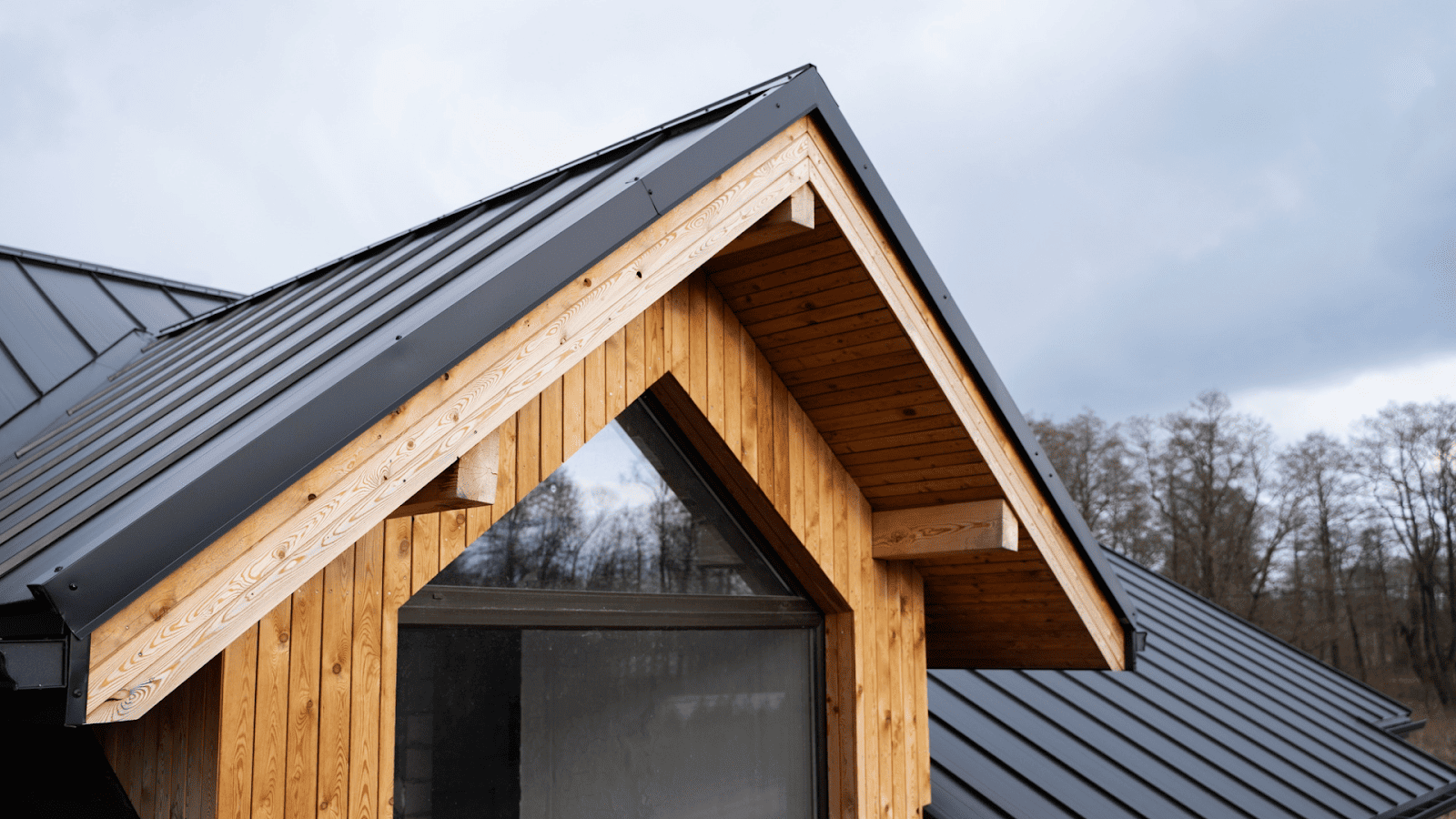
On the other hand, metal roofing systems can last 40 to 70 years and offer improved heat reflection and greater long-term durability
| Layer | Primary Function | Impact (according to weather conditions in NC) |
| Decking | Structural support | High humidity can cause rot if exposed |
| Underlayment | Secondary water barrier | Critical during wind-driven rain |
| Shingles/Metal | Water shedding & UV protection | UV exposure dries and cracks materials |
| Flashing | Seals joints and penetrations | Source of most leaks when installed poorly |
| Ventilation | Heat and moisture control | Prevents mold and shingle damage |
A roof’s ability to protect a home depends not only on its shingles or underlayment, but also on how effectively it manages heat and moisture. Specifically for regions like the Piedmont Triad, high temperatures and humidity can cause attics to become extremely hot and damp. Without proper airflow, heat and moisture build up.
All this puts a lot of pressure on the overall structure of the roof.
That’s why ventilation is very important to maintain this balance. A balanced ventilation system works through two main components.
When airflow is blocked or insufficient, moisture from daily activities such as cooking and showering becomes trapped in the attic. Over time, this can lead to mold growth, wood rot, insulation damage, and premature roof failure.
For these reasons, professional roofing contractors like Statewide Roofing Specialist evaluate attic ventilation as a part of a comprehensive roof inspection.
A roofing system is a layered structure designed to protect your property from heat, moisture, and severe weather. When high temperatures and humidity stress roofing materials, it becomes important to understand each component.
From the structural decking and underlayment to the exterior roofing material to ventilation, every layer plays an important role in maintaining performance and preventing damage. Whether you’re thinking of replacement or evaluating the condition of the roof, understanding of how roofing systems work can guide your decisions.
Most roof leaks are caused by installation errors or system failures. Common causes include flashing failure, damaged underlayment, aging materials, and poor drainage. Wind damage and clogged gutters can also allow water to penetrate the roof system.
Attic ventilation regulates heat and moisture buildup within the roof system. Without adequate airflow, heat becomes trapped, and moisture accumulates, which can lead to mold growth, wood rot, and premature aging of roofing materials. Proper ventilation supports roof durability and helps maintain a stable indoor environment.
Flashing is thin metal installed at roof penetrations and joints, including areas around chimneys, vents, skylights, and roof valleys. Its purpose is to direct water away from seams and prevent water infiltration. When flashing is improperly installed or deteriorates over time, it becomes a primary cause of roof leaks.
A professional roof inspection is recommended at least once a year, and after any major storm event. Routine inspections can identify early signs of damage, allowing for timely repairs that prevent costly structural issues.
Minor damage, such as localized leaks, damaged shingles, or small areas of flashing failure, can often be repaired. However, if damage covers a significant portion of the roof or the roof is nearing the end of its expected lifespan, replacement may be the most practical and cost-effective solution.