Key Takeaways

  • Wind damage is the most common roof problem in North Carolina due to frequent storms and strong winds.
  • Hail can remove protective granules from shingles, leading to faster roof deterioration and potential leaks.
  • Water damage often begins with small issues like clogged gutters, cracked shingles, or damaged flashing.
  • Poor roof ventilation can trap heat and moisture, causing shingles to age faster and increasing energy costs.
  • Ice dams and snow load can occur during winter, especially in colder regions of North Carolina.
  • Falling branches and storm debris can cause sudden impact damage to shingles, tiles, and gutters.
  • Regular roof inspections, ideally twice a year, help detect small problems before they become expensive repairs.
  • Acting quickly after storms and visible roof damage can prevent serious structural issues and costly replacements.

Roof damage is a common problem for homeowners in North Carolina. Many issues start small, a lifted shingle after a storm, a clogged gutter during heavy rain, or gradual wear from intense summer heat, but if left unnoticed, these minor problems can quickly turn into costly repairs or serious structural damage.

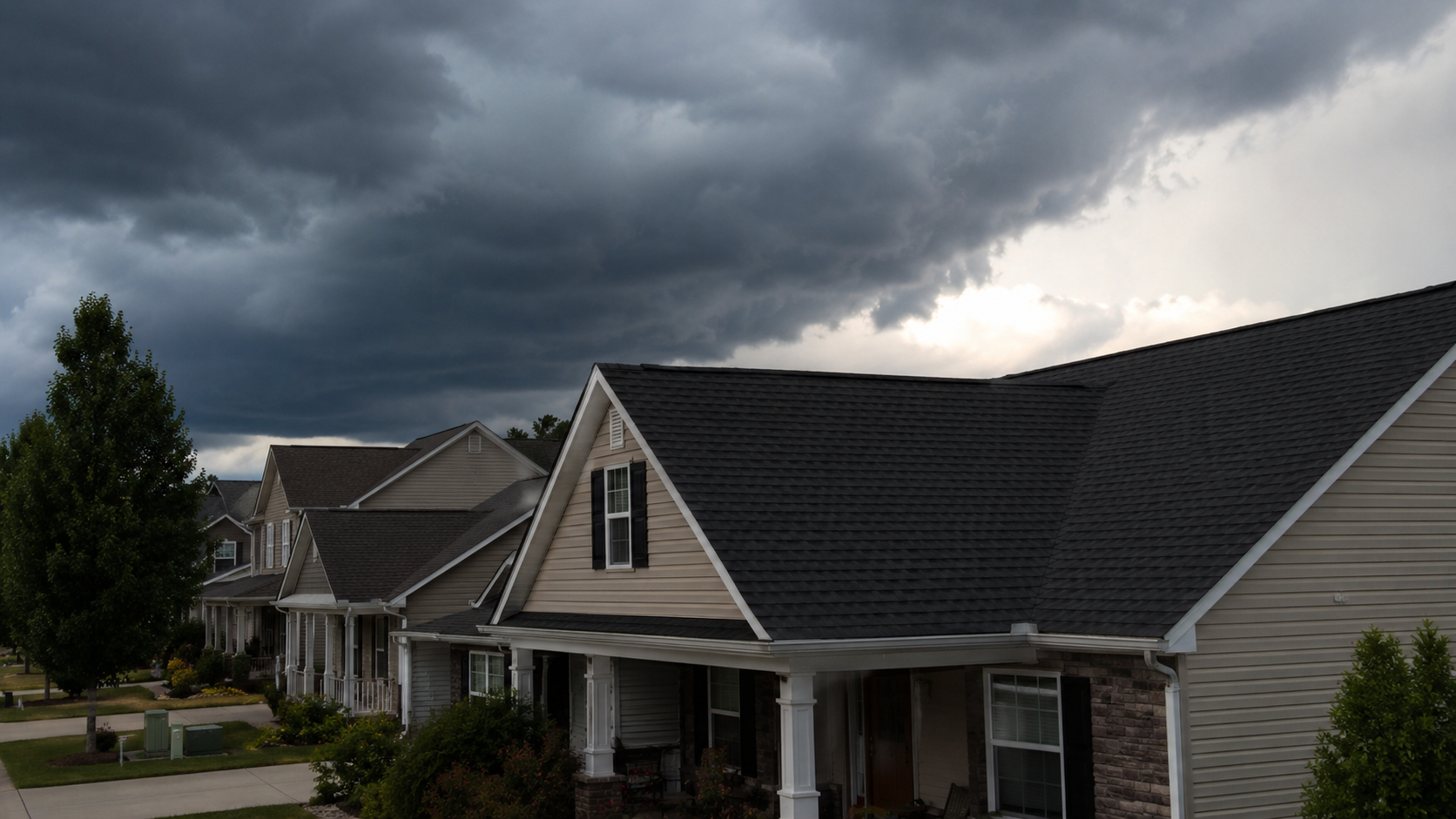
The reason is simple: North Carolinaโ€™s weather is highly unpredictable. From powerful summer thunderstorms and hurricane-season winds to heavy rainfall, high humidity, and occasional winter freezes in the mountains, roofs in the state face constant exposure to conditions that can weaken roofing materials over time.

According to the North Carolina Office of State Budget and Managementโ€™s 2024 disaster assessment, Hurricane Helene alone damaged more than 150,000 homes across the state, highlighting how vulnerable residential roofs can be during severe storms.

The good news is that most roof damage doesnโ€™t happen overnight, and many issues can be prevented or repaired early if homeowners know what warning signs to look for.

In this guide, weโ€™ll explain the most common types of roof damage in North Carolina, what causes them, how to identify early signs, and when itโ€™s time to contact a professional roofing contractor.

Types of Roof Damage North Carolina Homeowners Should Know

Before diving into the details, here is a quick overview of the most common roof damage types you may encounter as a North Carolina homeowner:

Types of roof damage

Now let’s explore each of these in detail.

1. Wind Damage โ€” Missing or Lifted Shingles

Wind Damage

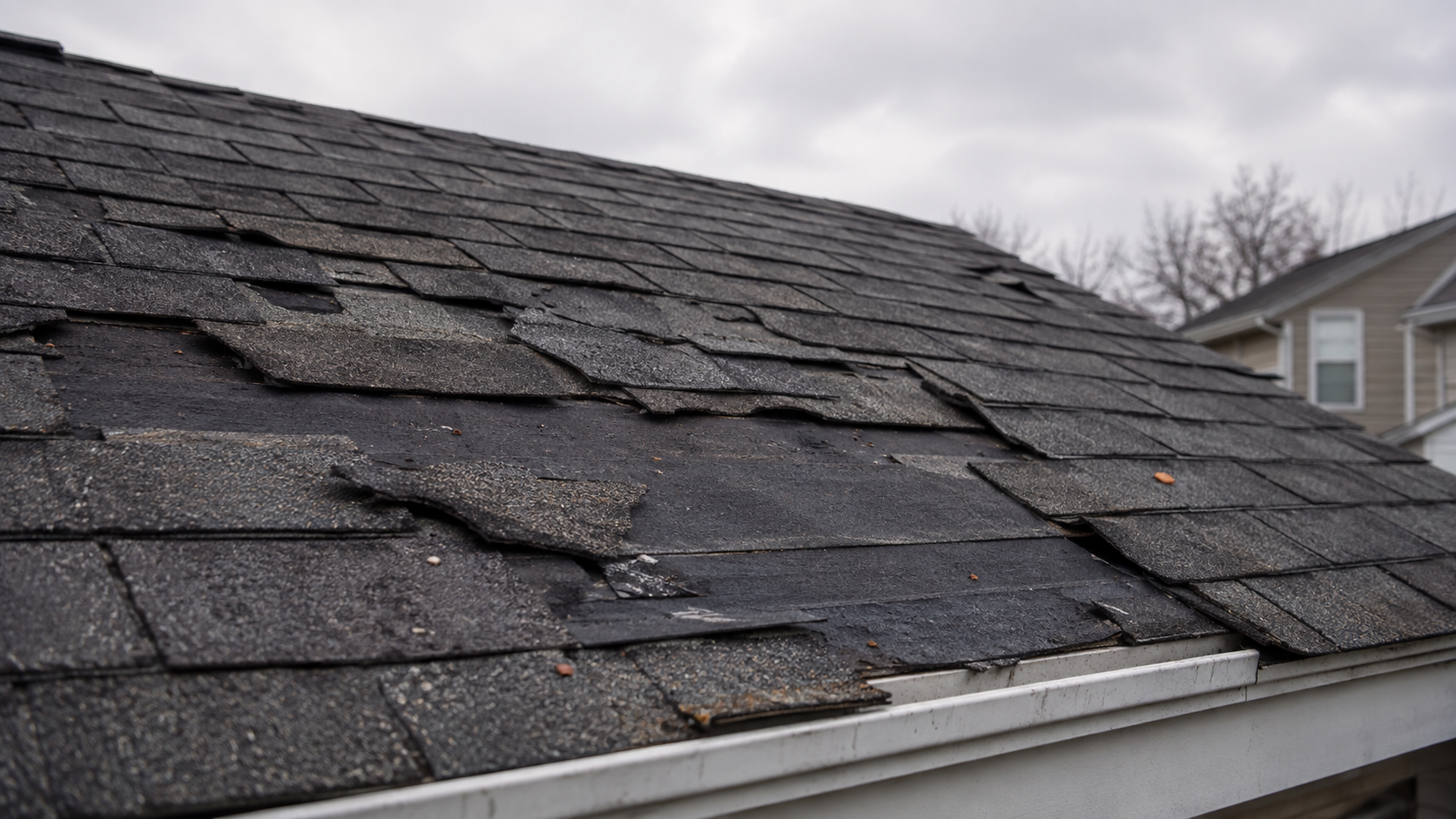
Wind damage is the number one cause of roof damage in North Carolina. The state is prone to powerful thunderstorms, tropical systems, and straight-line winds that can reach 45 to 57 mph or higher, and at those speeds, your roof takes a serious hit.

Wind typically targets the weakest points of a roof: the overhanging edges, hips, and ridges. Older or improperly installed roofs are especially vulnerable, and once one shingle lifts or tears away, a domino effect can worsen the damage with every future storm.

Key Signs of Wind Damage

  • Missing shingles or tabs torn completely off
  • Wind creasing โ€” a horizontal bend near the shingle edge where the material has flapped back and forth
  • Lifted or unsealed shingles curling upward, allowing water to seep underneath
  • Granule loss and bald spots on shingle surfaces
  • Broken sealant strips or exposed, rusted nails

What To Do

  • Inspect your roof after every major storm, look for missing sections and piles of granules in gutters
  • Photograph all visible damage immediately for your insurance records
  • Do not attempt DIY repairs on a steep or high roof, falls are a leading cause of injury
  • Contact a licensed roofing contractor to reseal or replace damaged shingles
Most homeowners’ insurance policies cover wind damage. Document everything and file your claim promptly.

2. Hail Damage and Granule Loss

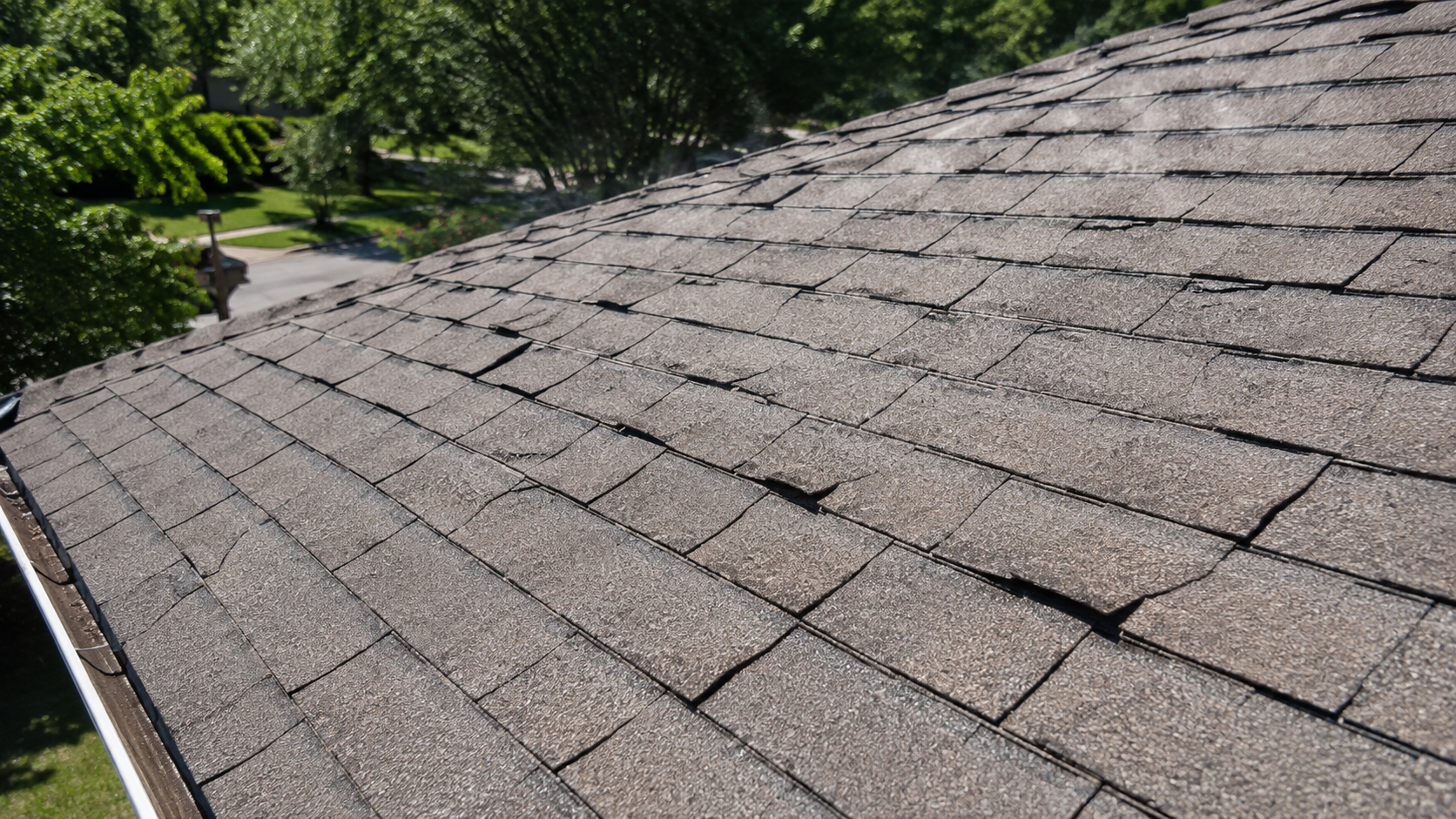
Hail Damage

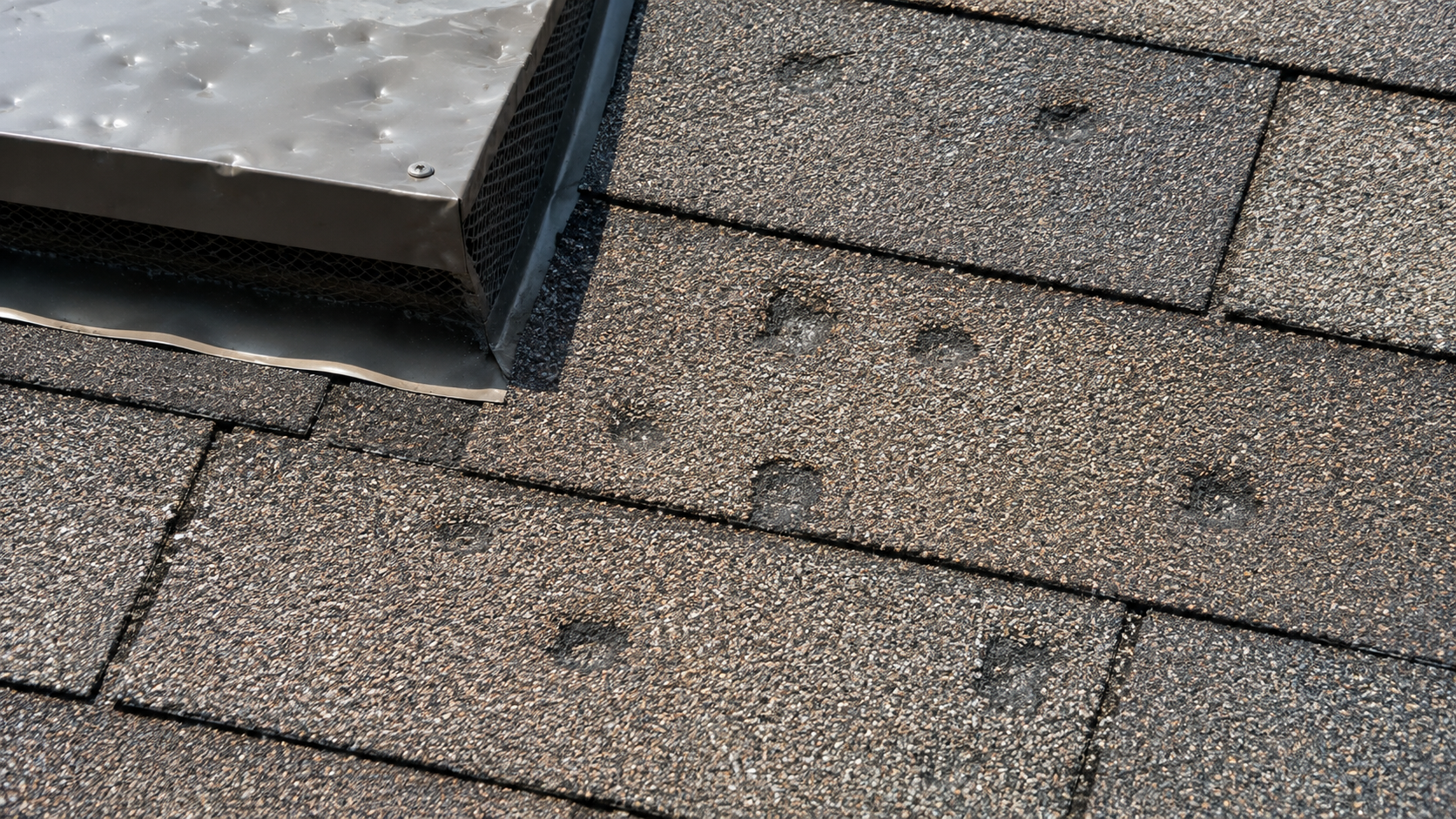
Hail is one of the most deceptive forms of roof damage; it often looks minor from the ground but causes significant hidden damage that shortens your roof’s lifespan and can void your manufacturer’s warranty.

When hail strikes asphalt shingles, it knocks off the protective granules that shield the asphalt layer from UV rays. Once that protection is gone, the asphalt deteriorates rapidly, leading to cracks, leaks, and premature roof failure.

How to Identify Hail Damage

  • Bruising or soft spots on shingles, which feel like a bruised apple when pressed
  • Dark, rounded bald spots where granules are missing
  • Accumulation of granules in gutters or downspouts after a storm
  • Cracks or punctures in severe cases
  • Dents visible on metal vents, gutters, and downspouts โ€” a reliable sign of hail size

Minor vs. Moderate vs. Severe Hail Damage

  • Minor: Surface granule loss without exposing the underlayment
  • Moderate: Visible dents with significant granule loss and possible small cracks
  • Severe: Punctures, exposed black asphalt matting, or fiberglass showing through

Even minor hail damage should be professionally assessed; what looks like a cosmetic issue can lead to leaks within months.

Hail damage often voids manufacturer warranties. Have a professional inspect and document damage right after a hailstorm to protect your warranty and insurance claim.

3. Water Damage and Roof Leaks

Water Damage

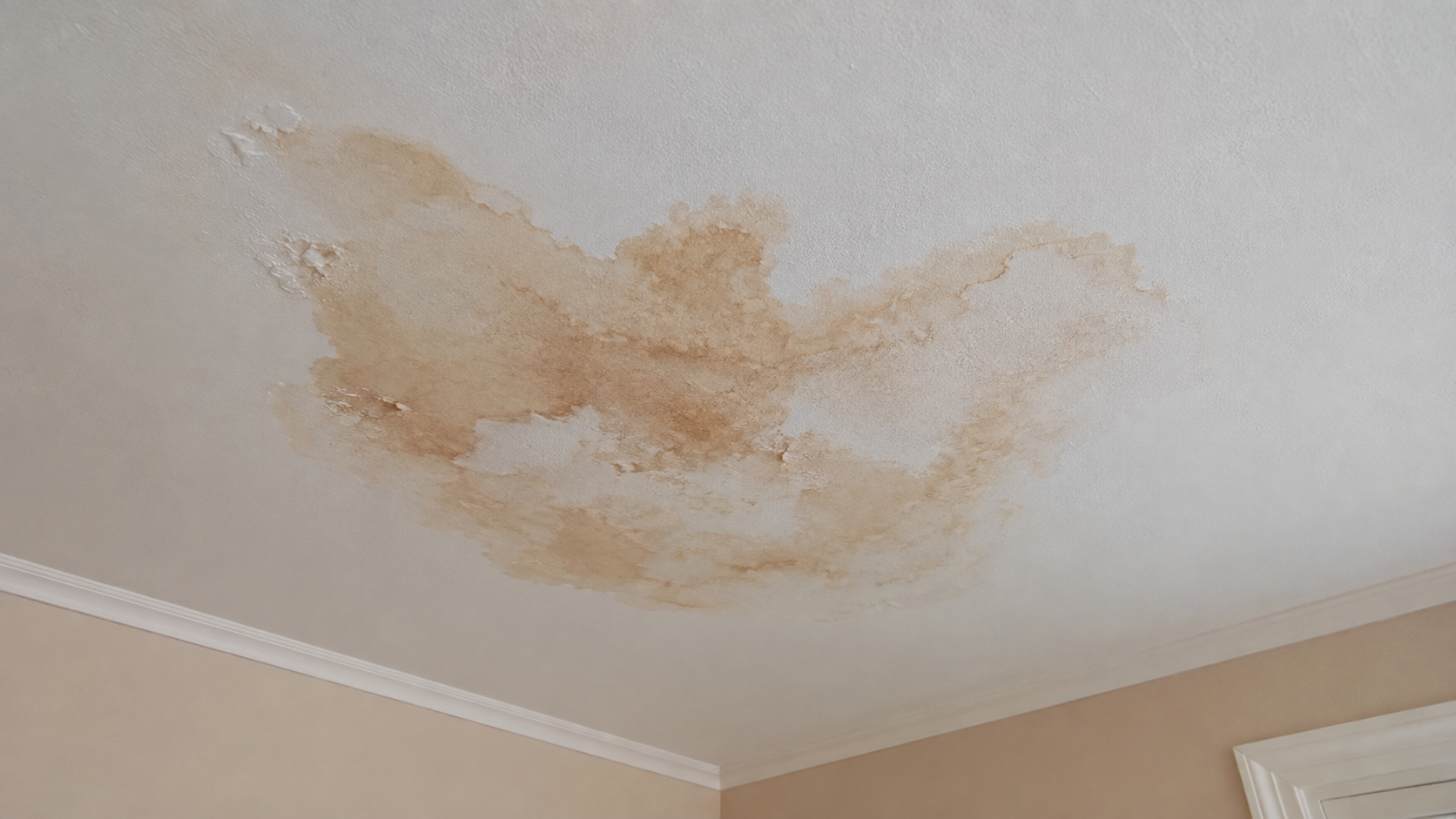
A leaking roof is one of the most damaging and expensive problems a homeowner can face. Once water gets through, it can cause mold growth within just 24 to 48 hours, rot structural wood, ruin insulation, and even create fire hazards from wet electrical wiring. Repair costs for serious water damage can range from $350 to over $2,000.

In North Carolina, water damage often starts with something simple: clogged gutters, poor drainage, or a single cracked shingle that goes unnoticed for too long.

Key Signs of a Leaking Roof

  • Brown or yellow water stains on ceilings or walls
  • Curled, missing, or broken shingles
  • Musty odors, peeling paint, or moisture on interior walls
  • Sagging ceiling or roof sections, a sign of serious structural water damage
  • Damp attic insulation or visible water trails along rafters

Emergency Steps to Take

  • Place buckets under active leaks and use towels to contain drips
  • Move furniture and electronics away from the affected area
  • If the ceiling is sagging, carefully poke a small hole to drain pooled water before it collapses
  • Cover the damaged roof area with a heavy-duty tarp
  • Photograph everything for your insurance claim

Long-Term Prevention Tips

  • Schedule professional inspections at least twice a year โ€” spring and fall
  • Keep gutters clean and free of debris to ensure proper drainage
  • Trim overhanging tree branches that can scrape or fall on your roof
If you notice drainage issues or clogged gutters, consider professional roof gutter installation to protect your roof from long-term water damage.

4. Damaged Flashing โ€” The Silent Cause of Roof Leaks

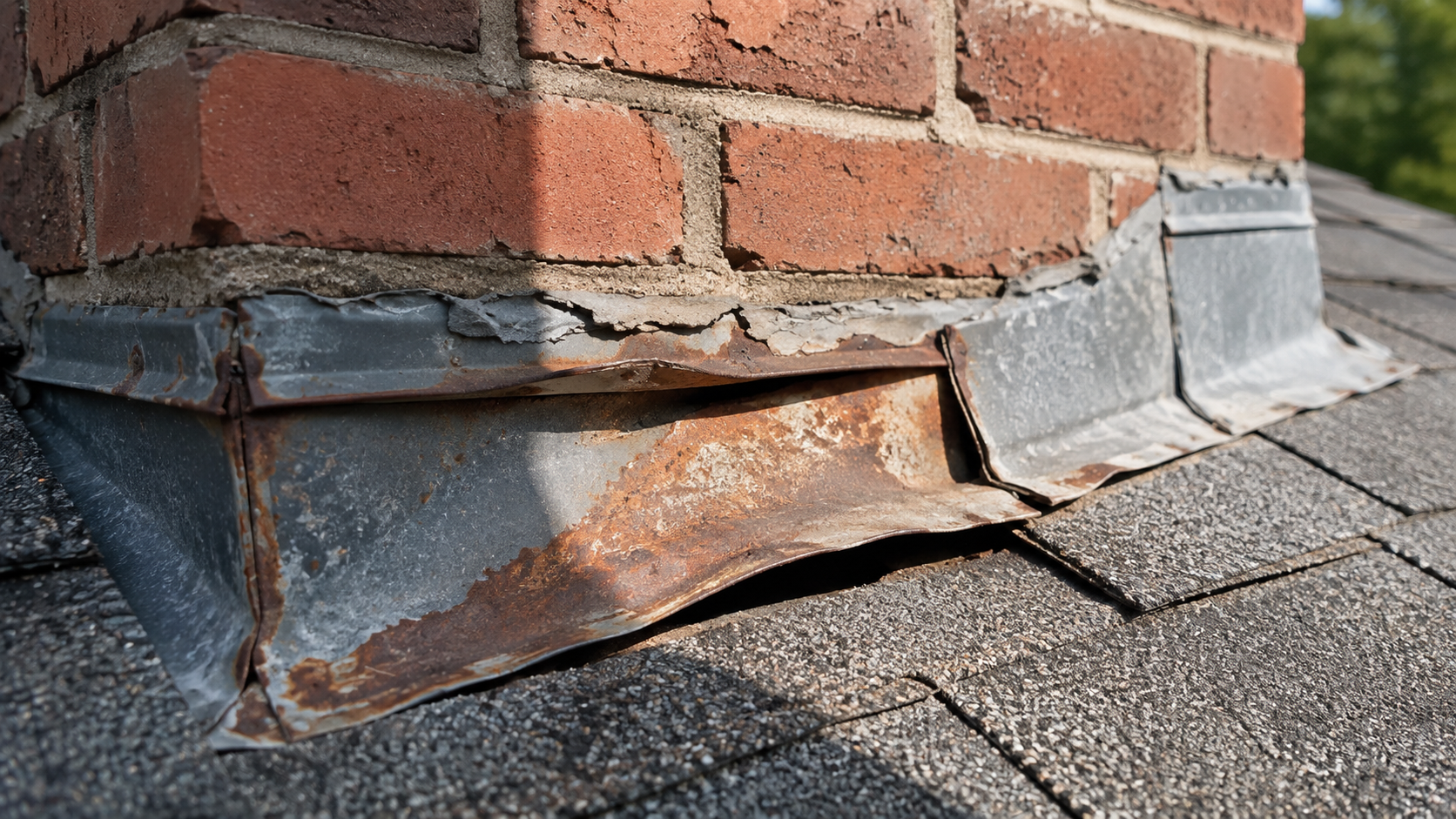
Damaged Flashing

Roof flashing is the thin metal material installed around chimneys, vents, skylights, and roof valleys to prevent water from seeping into joints and seams. When flashing fails, water can pour directly into your home, and it often goes undetected until serious interior damage has already occurred.

Flashing can last anywhere from 5 to 20+ years, depending on the material and quality of installation, but NC’s heat, humidity, and storm activity accelerate wear.

Common Causes of Flashing Failure

  • Improper installation, the leading cause, including poor sealant use and incorrect overlapping
  • Thermal expansion and contraction from NC’s temperature swings causing metal to crack or pull away
  • Rust and corrosion from humidity and heavy rainfall
  • Storm damage from high winds or ice dams
  • Foundation shifting that pulls flashing loose

Warning Signs to Watch For

  • Visible water dripping near chimneys, vents, or roof intersections
  • Water stains appearing on walls or ceilings below roof joints
  • Mold, mildew, or musty odors near the roofline or in the attic
  • Rusted, cracked, or visibly missing metal strips around roof penetrations
Flashing repairs are best handled by certified professionals. Improper DIY fixes can create bigger leaks over time. Book a professional roof inspection to catch flashing issues early.

5. Improper Roof Ventilation and Heat Damage

Improper Roof Ventilation

North Carolina summers are hot and humid, and when your attic lacks proper ventilation, that heat and moisture get trapped. Excess attic heat can push temperatures, causing shingles to curl, crack, blister, or become brittle years before their expected lifespan.

Poor ventilation also forces your HVAC system to work harder, driving up energy bills, and creates the perfect conditions for mold growth and wood rot throughout your roof’s structure.

Consequences of Poor Ventilation

  • Warped, cracked, or prematurely aged shingles
  • Ice dams in winter, trapped heat melts snow, which refreezes at cold eaves and forces water under shingles
  • Increased energy bills from overworked HVAC systems
  • Mold and mildew growth in the attic and on the roof decking
  • Health issues from trapped indoor pollutants and CO2

Signs Your Roof Has Ventilation Problems

  • Exterior: warped rooflines, algae streaks, or bald spots on shingles
  • Interior: persistent musty odors, high indoor humidity, or excessive dust
  • Attic: extremely hot air, damp sheathing, or rusted nails

6. Ice Dams and Snow Load Damage

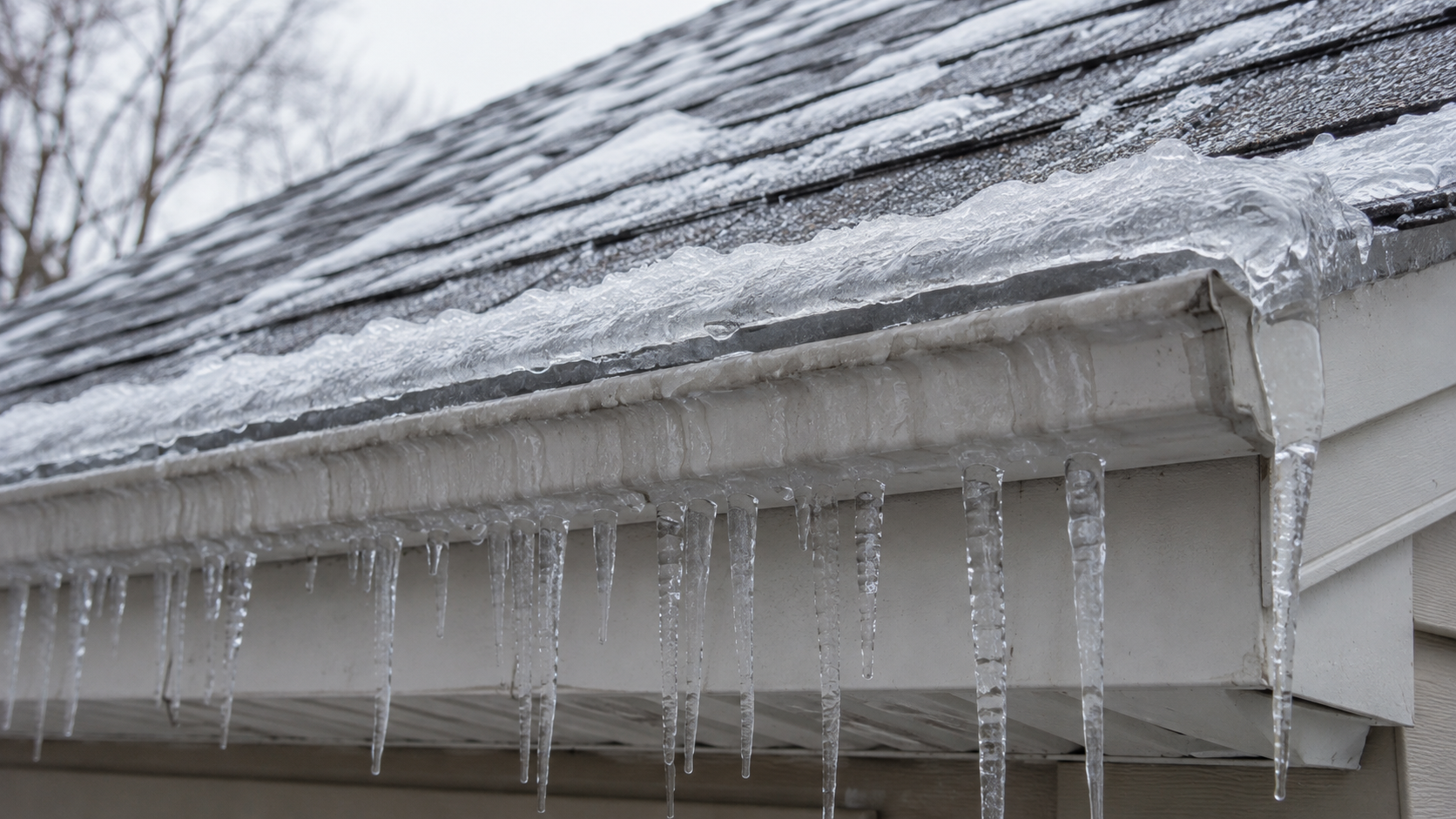
Ice Dams

While North Carolina is not known for harsh winters, the mountain regions and occasional cold snaps across the state can create ice dams and snow load issues that cause serious roof damage.

Ice dams form when heat escapes from inside the home, melts snow on the upper roof, and the water refreezes at the cold eaves, creating a dam that prevents proper drainage. Water then backs up and forces its way under shingles, into the attic, and down interior walls.

What Are Ice Dams?

  • Caused by the freeze-thaw cycle when attic heat is not properly managed
  • Water forced under shingles leads to leaks, mold, and rotted decking
  • Visible signs include icicles at the eaves, ice buildup on gutters, and interior water stains

Snow Load Damage

  • Excessive snow weight puts stress on the roof structure
  • Signs include sagging roof sections, cracks in walls or ceilings, and doors or windows that stick
  • Flat or low-slope roofs are especially vulnerable

Prevention Tips

  • Improve attic insulation to keep the roof deck cold and prevent uneven melting
  • Safely rake snow off the roof edges after heavy snowfall using a long-handled roof rake
  • Keep gutters clean before winter to ensure proper drainage
  • Use calcium chloride ice melt; do not chip ice manually, as this damages shingles
Donโ€™t wait for ice dams or snow weight to cause serious roof damage. Schedule a professional roof repair with a Statewide Roofing Specialist to keep your home safe this winter.

7. Nail Pops and Poor Installation Damage

Nail Pops

Nail pops are small but often overlooked roof problems that, left unaddressed, can open your roof to water intrusion. They occur when wood framing shrinks as it dries out after construction, or when thermal expansion and contraction from NC’s temperature changes cause fasteners to push upward through shingles.

Poor installation is another common culprit; improperly nailed shingles, incorrect underlayment placement, and insufficient sealant application all lead to premature granule loss, early shingle curling, and frequent leaks on relatively new roofs.

Causes of Nail Pops

  • Wood shrinkage as lumber dries out post-construction
  • Humidity and temperature fluctuations cause framing to expand and contract
  • General house settling over time
  • Vibrations from nearby traffic or construction

Signs of Poor Installation

  • Granule loss appearing on a relatively new roof
  • Shingles curling or lifting on a roof less than 10 years old
  • Recurring leaks that keep appearing in the same spots
  • Shingles that appear uneven or misaligned

When to Be Concerned

  • Nail pops that keep reappearing after being fixed
  • Doors or windows that stick โ€” a sign of structural movement
  • Multiple simultaneous pops across a large area
Concerned about nail pops or poor roof installation? Let Statewide Roofing Specialists inspect your roof and fix hidden issues before they lead to costly damage.

8. Falling Debris and Impact Damage

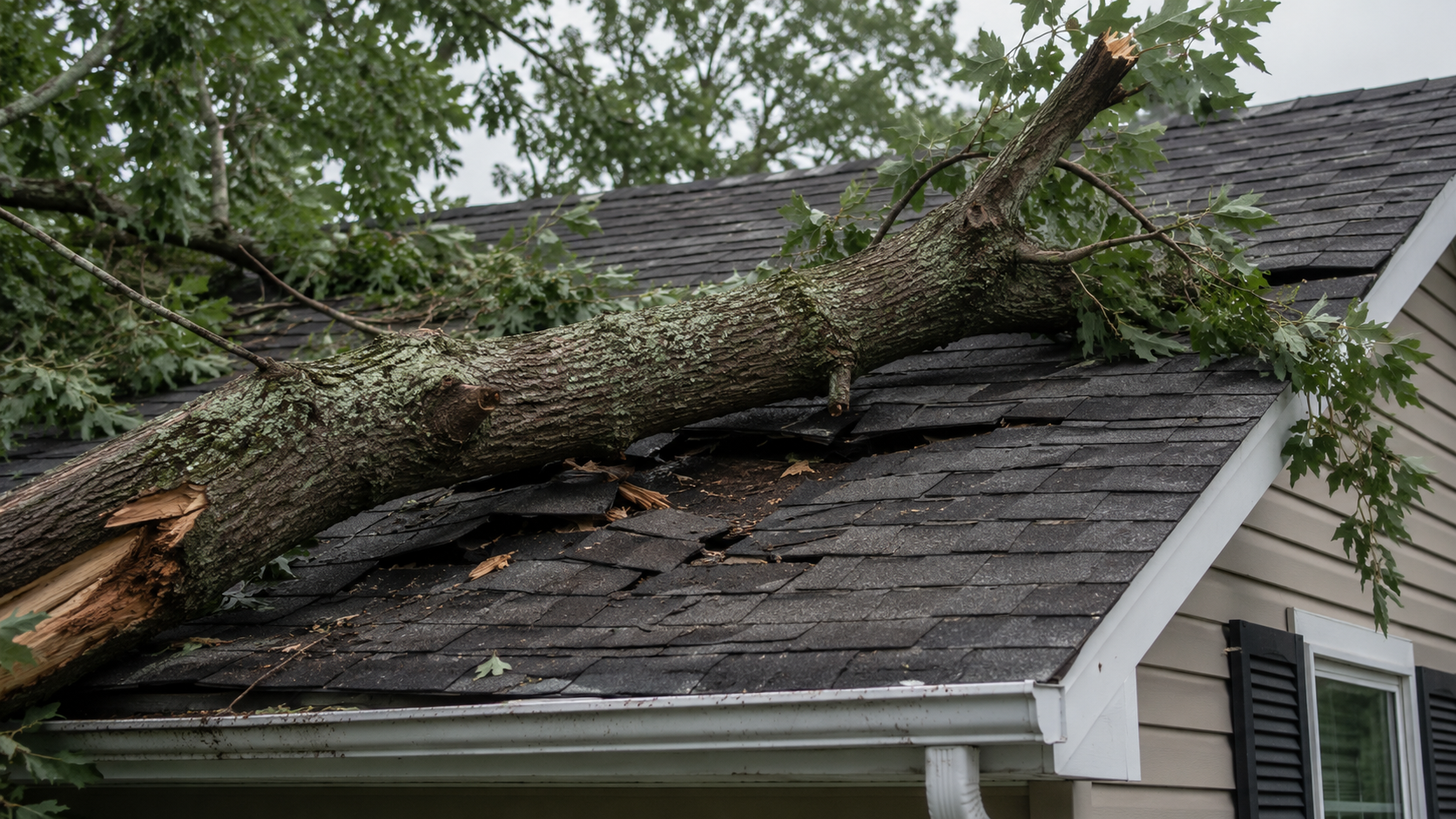
Falling Debris

North Carolina’s storms frequently bring down tree branches, pine cones, and other debris that can crack tiles, damage shingles, puncture roof membranes, and compromise roofing materials in ways that are not always immediately visible.

Even smaller debris landing repeatedly in the same spot can wear through protective granules and weaken the shingle structure over time. Large branches can cause catastrophic structural damage that requires immediate professional attention.

  • Cracked or broken tiles from direct impact
  • Dented or punctured metal roofing materials
  • Granule loss concentrated in specific areas
  • Damaged gutters or soffit from heavy branches

Prevention: Regularly trim trees near your home, especially large branches that overhang the roof. After any major storm, visually inspect your roof from the ground for visible debris or damage.

If your roof has been hit by falling branches or storm debris, schedule a professional inspection with a Statewide Roofing Specialist to identify hidden damage before it leads to leaks or structural problems.

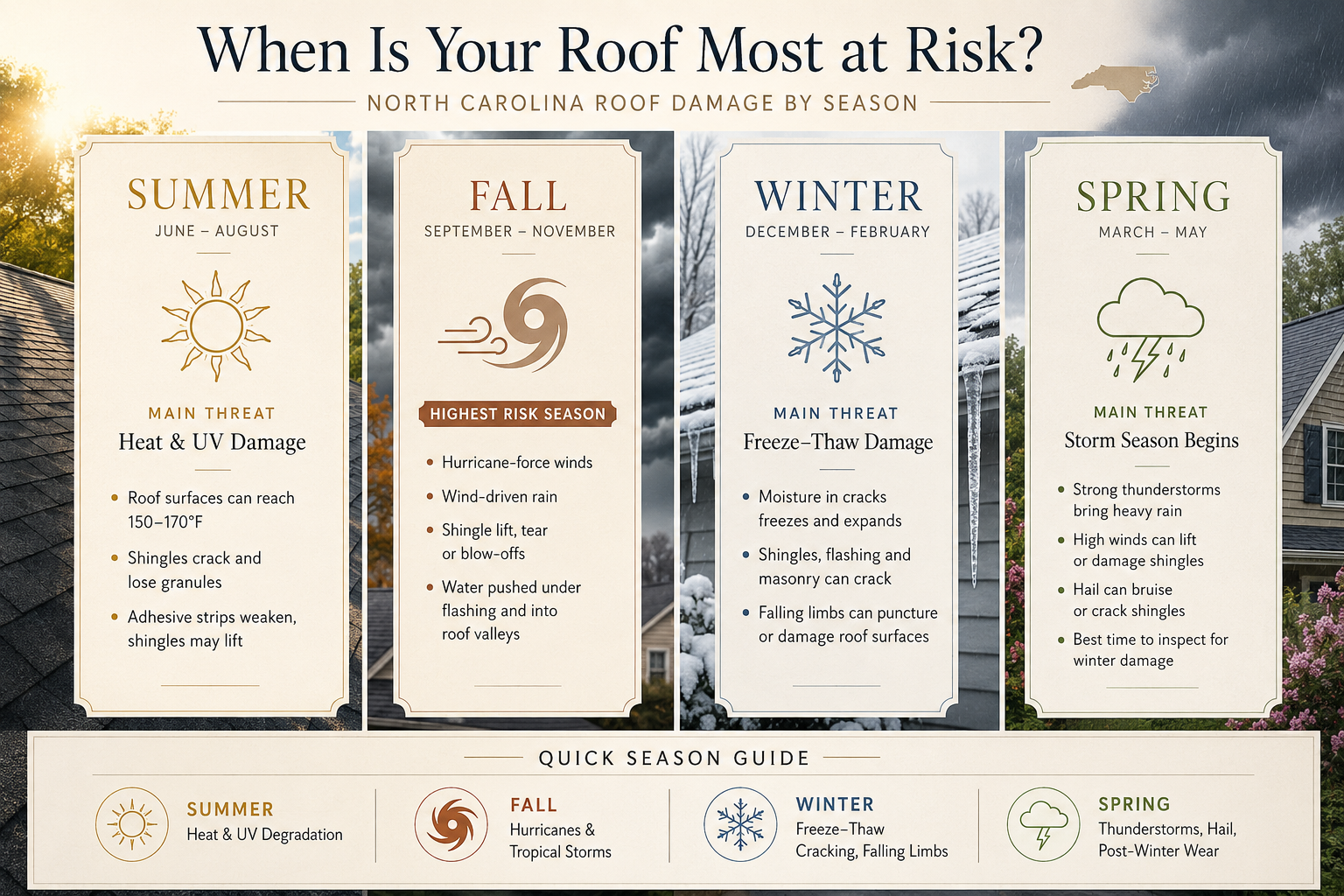
When Is Your Roof Most at Risk? NC Roof Damage by Season

North Carolina’s weather changes dramatically across seasons, and so does the type of roof damage you are most likely to face. Understanding seasonal risks helps you plan inspections and maintenance at the right time.

SeasonTemperatureBiggest Risk
๐ŸŒธ Spring45โ€“70ยฐFLeaks, Flashing Failure
โ˜€๏ธ Summer85โ€“95ยฐF+Heat/UV, Wind, Hail
๐Ÿ‚ Fall40โ€“65ยฐFGranule Loss, Gutters
โ„๏ธ Winter20โ€“40ยฐFIce Dams, Snow Load

1. Spring (March โ€“ May) | 45โ€“70ยฐF

Spring brings heavy rainfall, thunderstorms, and the aftermath of winter damage. Clogged gutters from fall leaves back up easily during spring rains, causing water to seep under shingles. Flashing that survived winter may finally fail under repeated rain exposure. This is the best time to schedule a post-winter inspection to catch damage before summer storms arrive.

2. Summer (June โ€“ August) | 85โ€“95ยฐF+

Summer is the most damaging season for NC roofs. Intense UV heat causes shingles to crack and blister, while high humidity traps moisture and accelerates mold growth. Powerful summer thunderstorms bring high winds, hail, and falling debris. Hurricane season officially runs from June through November, with peak activity in August and September โ€” making this the highest-risk period for severe wind and water damage.

3. Fall (September โ€“ November) | 40โ€“65ยฐF

Falling leaves clog gutters and create moisture traps on the roof surface. Granule loss from summer storms becomes more visible. Early frosts begin to cause thermal movement in roofing materials, making nail pops more common. Fall is the ideal time for a pre-winter inspection and gutter cleaning to prepare your roof for cold weather.

4. Winter (December โ€“ February) | 20โ€“40ยฐF

While NC winters are mild compared to northern states, freeze-thaw cycles create significant stress on roofing materials. Ice dams form when attic heat is poorly managed. Flashing failures are common as metal contracts in cold temperatures. Mountain regions of NC can receive significant snowfall, creating snow load stress on roofs not designed for heavy accumulation.

When Should You Call a Professional Roofing Contractor?

Some roof issues are obvious, others are hidden until they have already caused thousands of dollars in damage. Here are the situations where you should call a licensed roofing contractor without delay:

Call Immediately If You Notice:

  • Missing shingles or large exposed areas after a storm
  • Active water leaks or new stains on ceilings and walls
  • Sagging areas on your roof or ceiling. This is a structural emergency
  • Large amounts of granules accumulating in gutters
  • Damaged, cracked, or missing flashing around chimneys and vents
  • Mold growth in your attic or along the roofline

Why Professional Inspections Matter

  • Professionals identify hidden storm damage invisible from ground level
  • Detailed inspection reports are essential for insurance claims documentation
  • Early detection prevents minor issues from becoming major structural problems
  • FAA-certified drone inspections provide 4K imagery of hard-to-reach areas without any roof contact

Concerned about hidden roof damage after a storm? Statewide Roofing Specialist offers fast, professional drone roof inspections using FAA-certified drone technology, delivering detailed 4K inspection results in just 15โ€“30 minutes.

Schedule your professional roof inspection today with Statewide Roofing Specialist to detect problems early and protect your home.

Conclusion

Your roof is your home’s first line of defense against North Carolina’s unpredictable weather. Wind damage, hail, water leaks, flashing failures, poor ventilation, ice dams, nail pops, and falling debris are all common threats, and they share one thing in common: they get significantly worse and more expensive when left unaddressed.

The most important thing you can do as a homeowner is schedule regular professional inspections and act quickly when you spot early warning signs. Catching a small issue today can save you from a major repair or a full roof replacement down the road.

Statewide Roofing Specialist is a GAF Master Elite Certified Contractor, a distinction held by only 3% of roofing contractors in the US, offering 50-year material warranties and 25-year workmanship warranties.

Ready to protect your roof? Call us today or visit the Statewide Roofing Specialist for a free inspection quote.

Frequently Asked Questions (FAQs)

Wind damage is the most common roof issue in North Carolina. Strong storms and hurricanes often lift, loosen, or remove shingles, exposing the roof underlayment and increasing the risk of leaks and structural damage.

Homeowners can identify roof damage early by checking for missing or curled shingles, granule buildup in gutters, ceiling water stains, musty attic odors, or visible debris damage after storms.

Most homeowners insurance policies cover roof damage caused by sudden events like wind, hail, or storms. However, coverage may depend on roof age, maintenance condition, and the specific details of your policy.

Roofing professionals recommend scheduling a roof inspection at least twice a year, usually during spring and fall, and immediately after severe storms to detect hidden damage early and prevent expensive repairs.

Terry Cribb - Statewide Roofing Specialist

Terry Cribb is the owner and manager of Statewide Roofing Specialist, a locally owned and operated roofing company based in North Carolina. He founded the business in 2012 and has grown into a trusted name across North Carolina, South Carolina, and Tennessee. With a background in business and management from West Davidson High School, Terry leads a fully licensed and insured team known for honest service, skilled craftsmanship, and a commitment to customer satisfaction.

Speak With a Roofing Specialist Today!

336-480-1824
Call Now
336-480-1824