Oct 13, 2026
Green Bay Hail Damage Roof Replacement: GAF Timberline HDZ in Barkwood



Key Takeaways
|
Your roof can look perfectly fine from the outside while moisture is quietly damaging the wood underneath.
A homeowner recently shared a similar experience on Reddit: after a heavy rain, they discovered dark, moldy, and eventually rotten plywood around a vent pipe in their attic, even though the roof had appeared intact from the ground.
Stories like this show how easy it is to miss hidden attic damage. By the time water stains or leaks appear inside your home, the problem may have already been developing for months.
Here are seven warning signs that can help you spot hidden attic damage before it becomes a more serious repair.
You open the attic hatch, and something smells off: stale, damp, earthy. That smell is moisture that has nowhere to go.
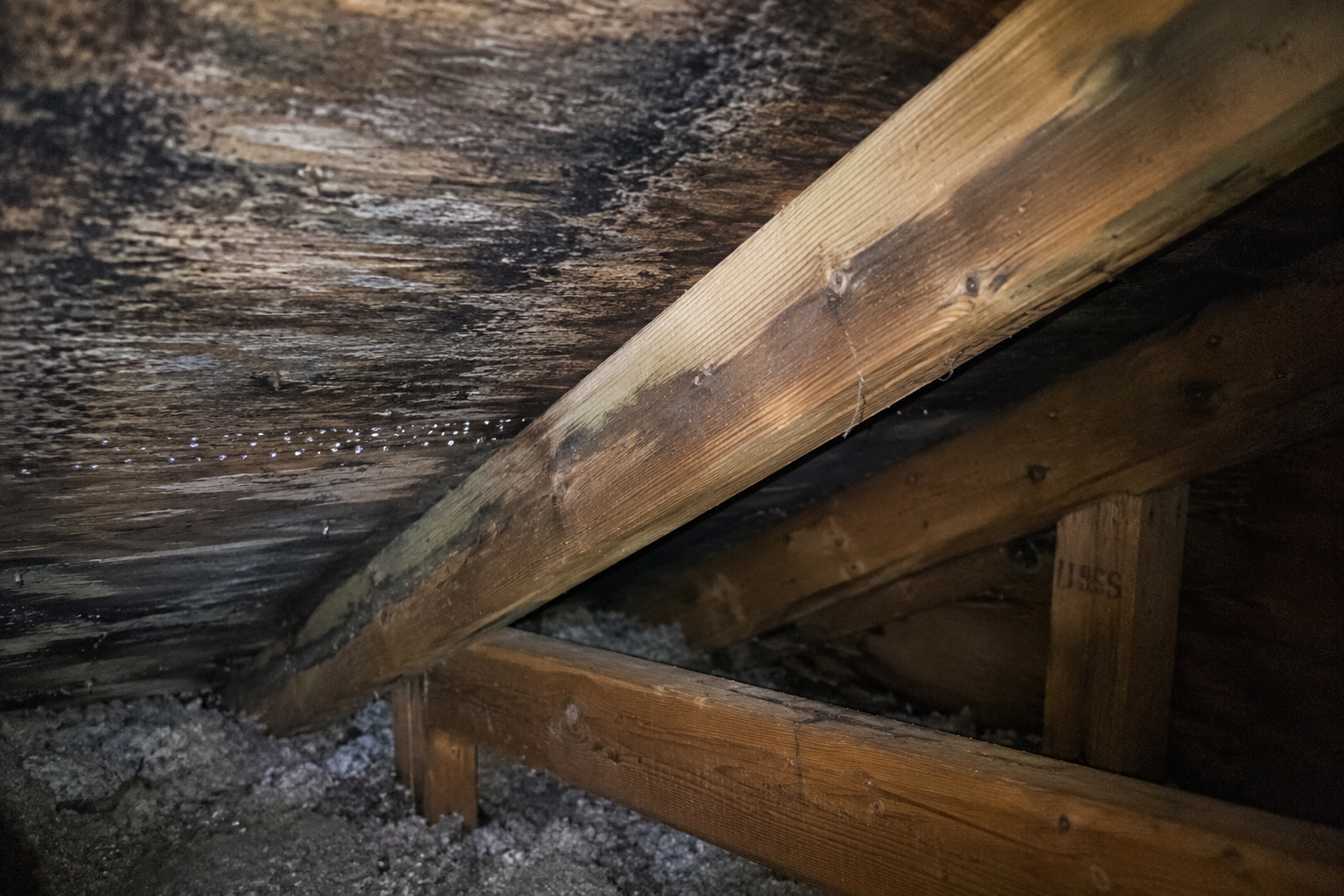
It doesn’t take an active leak to create it. Poor airflow alone traps humid air against the wood surfaces in your attic, and that’s all mold needs to start growing — often on the backside of the roof deck or deep inside the insulation where you can’t see it.
If your attic smells like a wet basement, treat it like a warning, not a minor inconvenience.
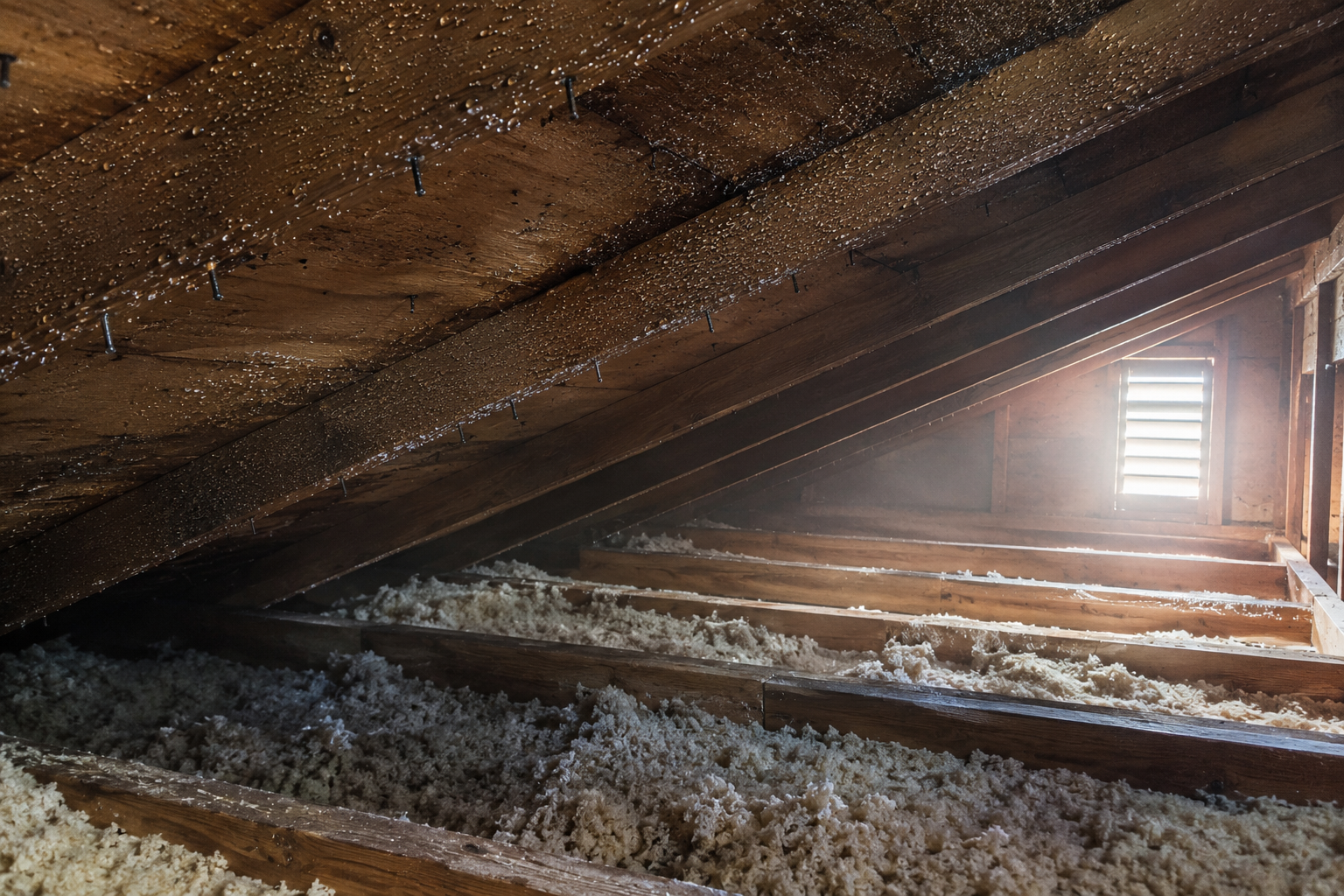
Your attic shouldn’t feel like a greenhouse. If the air up there feels thick, heavy, or noticeably more humid than the rest of your house, moisture is building up in the space.
This usually points to one of two things: warm air from your living spaces rising into the attic with nowhere to exit, or outside moisture finding a way in through gaps in the roof. Either way, prolonged humidity causes wood to absorb moisture, insulation to lose effectiveness, and mold to take hold.
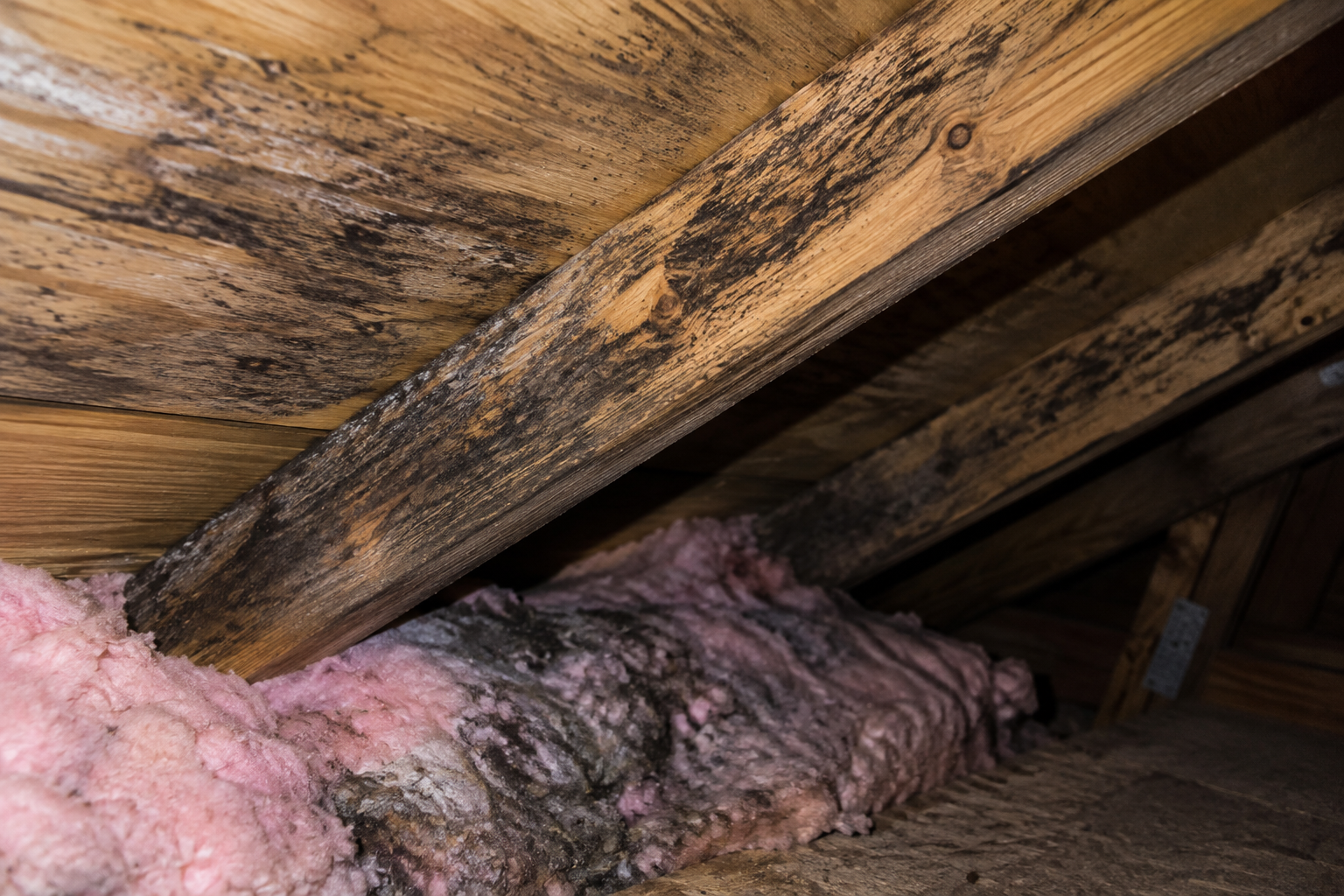
Mold in the attic doesn’t always look dramatic. It can appear as small dark spots, gray patches, or fuzzy discoloration along the rafters, roof deck, or insulation surface.
| Did You Know? According to the EPA, mold can begin growing on damp surfaces within 24 to 48 hours, often long before it becomes visible to the eye. |
If you can see mold, the moisture problem causing it has likely been present for some time. Mold in an attic doesn’t appear overnight.
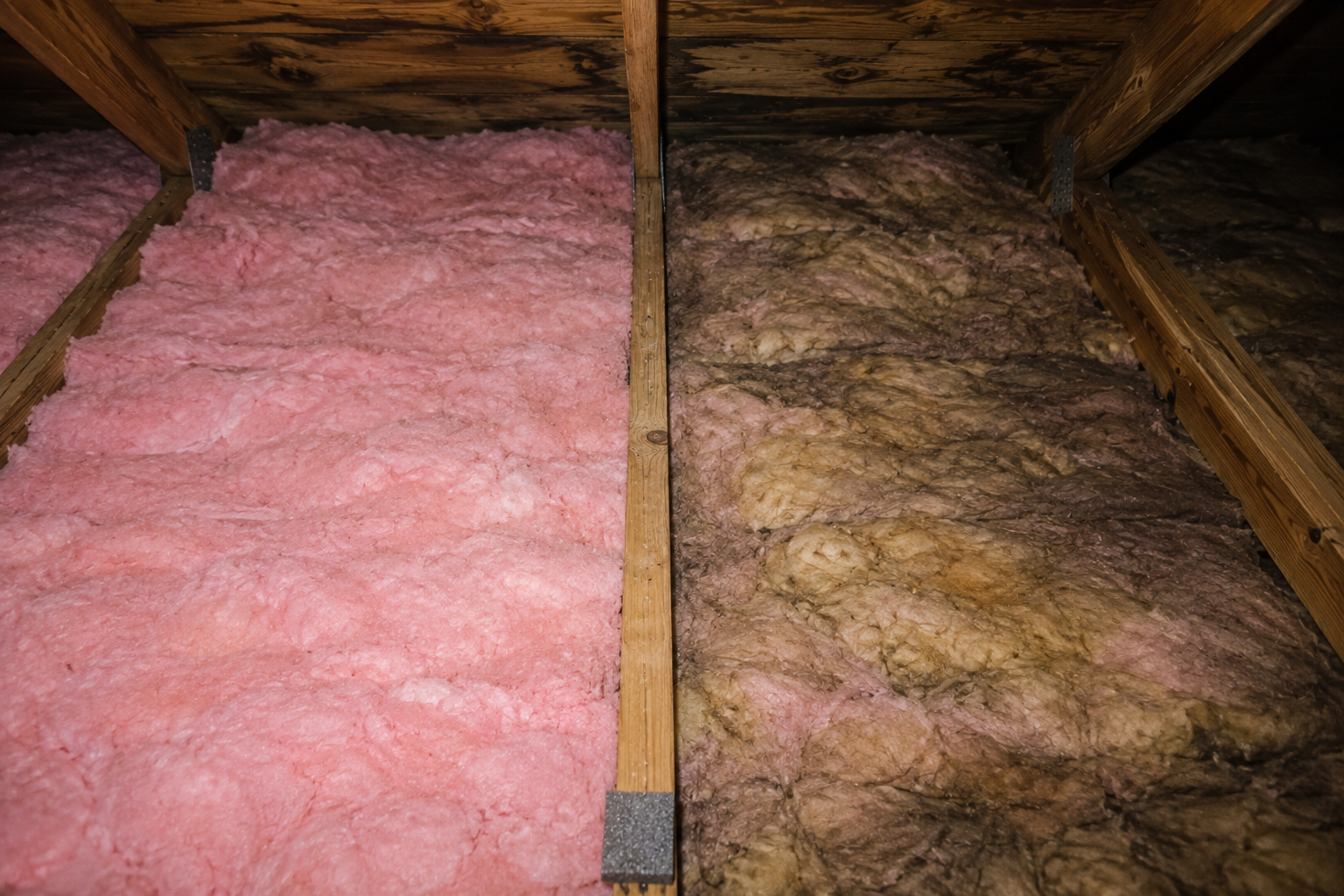
Healthy insulation holds its shape and stays consistent in color. If yours looks compressed, matted down, or has dark staining across sections of it, something has gotten to it.
Wet or damaged insulation has lost its ability to do its job. It can no longer regulate temperature effectively, so your HVAC system has to work harder to compensate. Many homeowners notice higher energy bills before they ever notice damaged insulation.
Check directly beneath the roof deck, along the eaves, and around any pipe or vent penetrations.
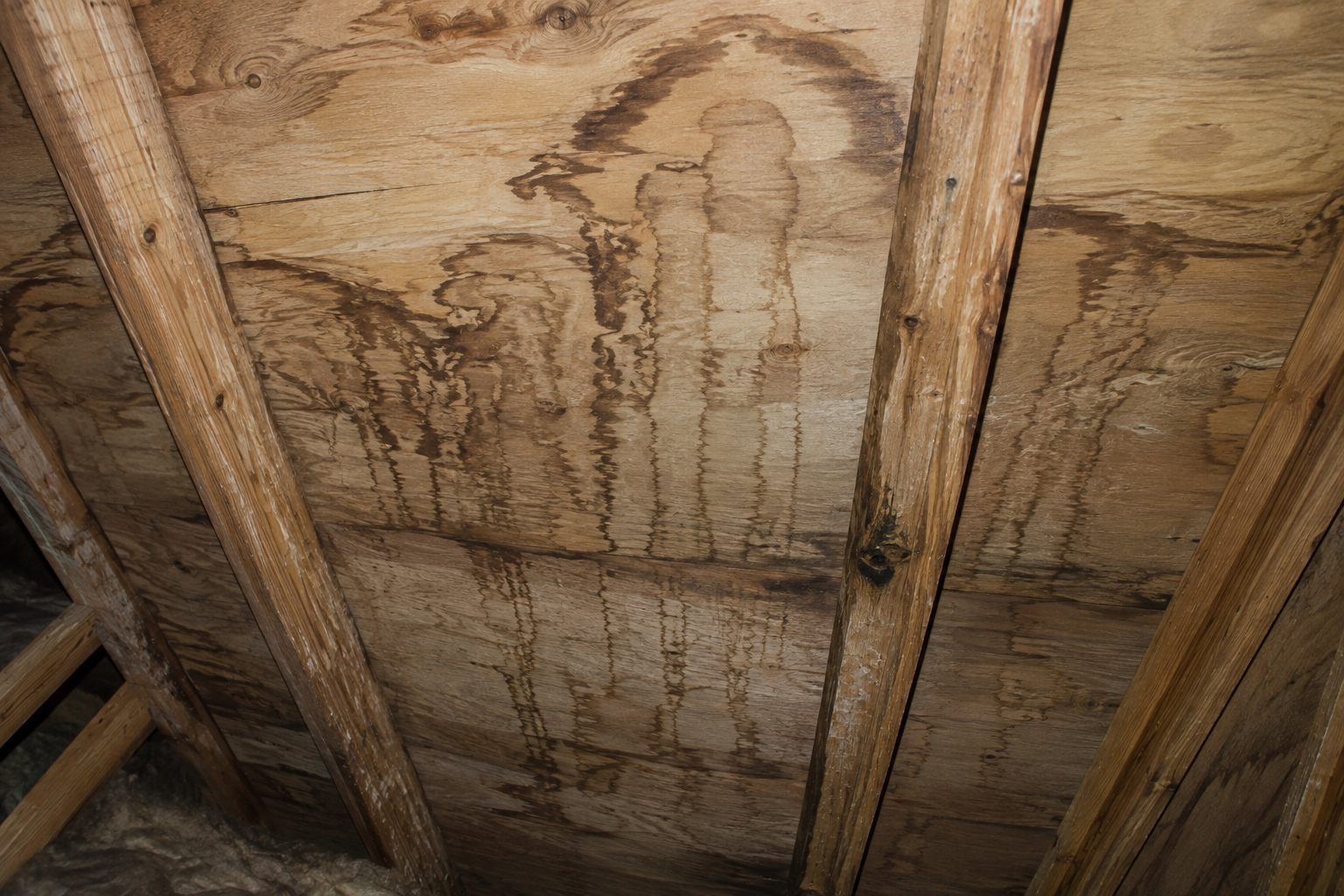
Dark staining or streaking on the underside of the roof deck or along the rafters is the fingerprint of moisture, past or present.
It doesn’t need to look wet right now to be a problem. Old stains mean water traveled through that area before. Fresh or expanding stains mean it’s still happening.
Also check your interior ceilings and walls directly below the attic. Stains there are an indirect clue that water has already moved through the structure above.
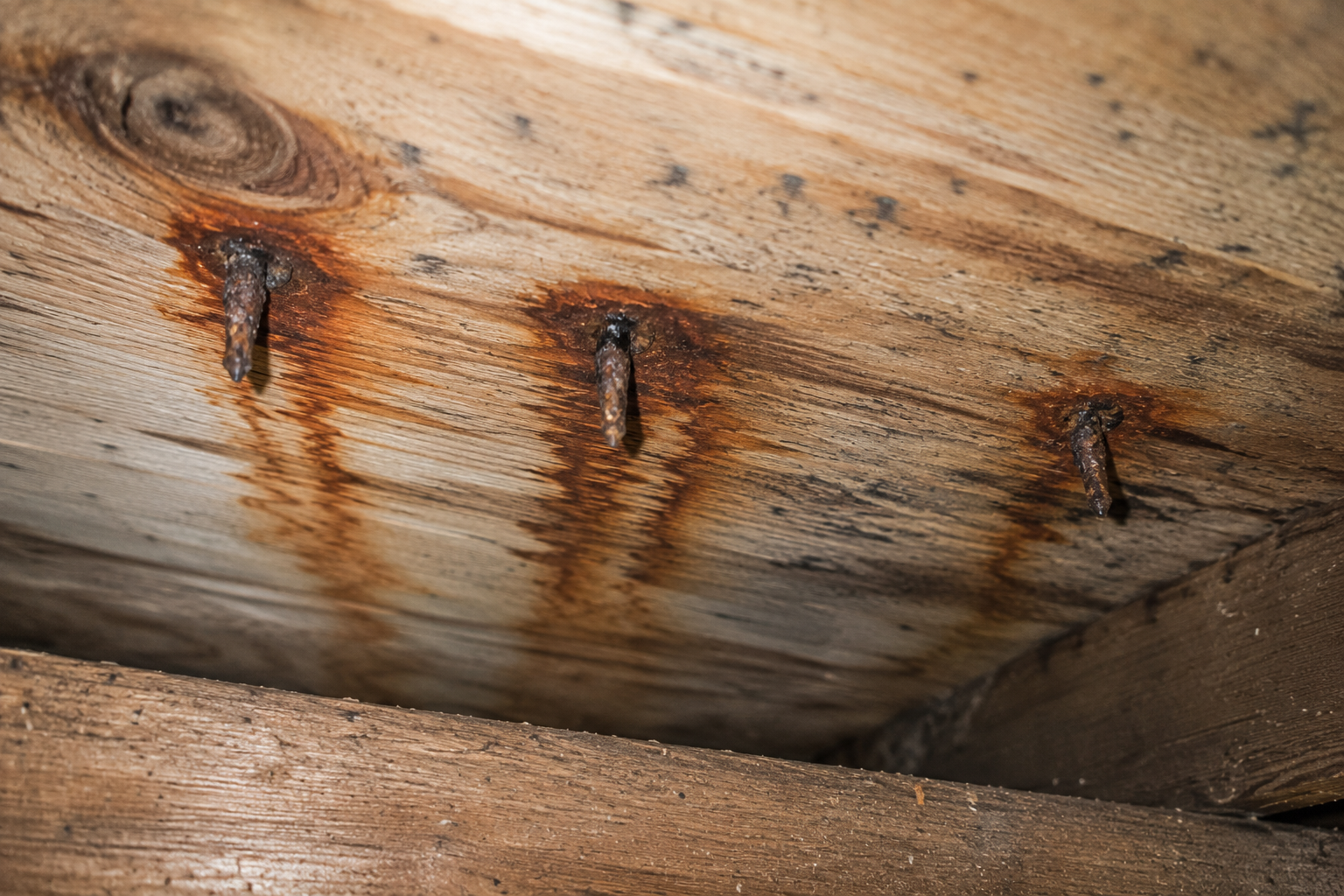
Take a close look at the nail tips poking through your roof decking, or at any metal framing components in the attic. If they’re showing rust, moisture has been present long enough and consistently enough to corrode the metal.
Rusted nails are not a minor cosmetic issue. They’re a timeline. They tell you the moisture problem isn’t new, and that the wood around those nails has likely been absorbing it too.
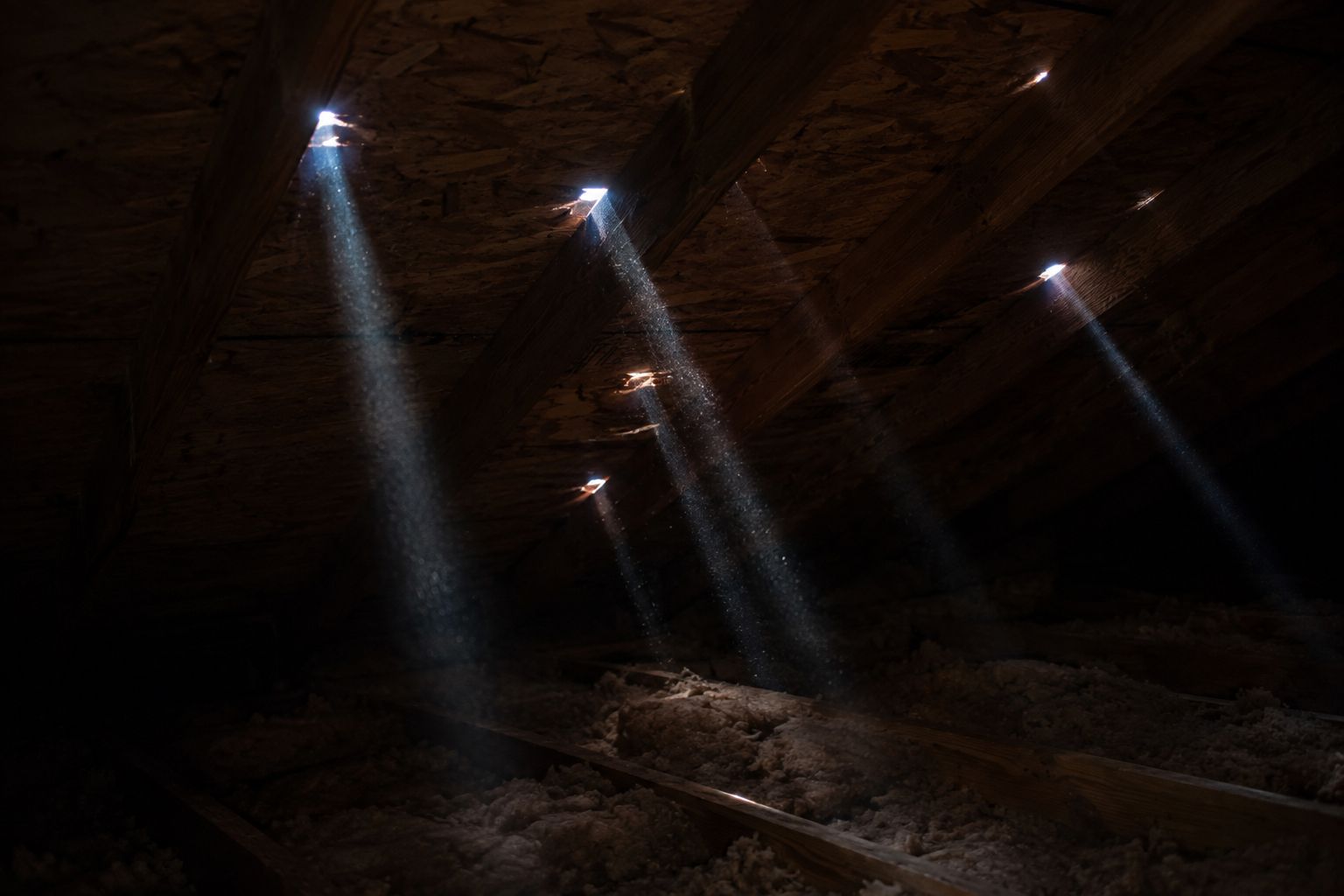
This one is straightforward, and urgent.
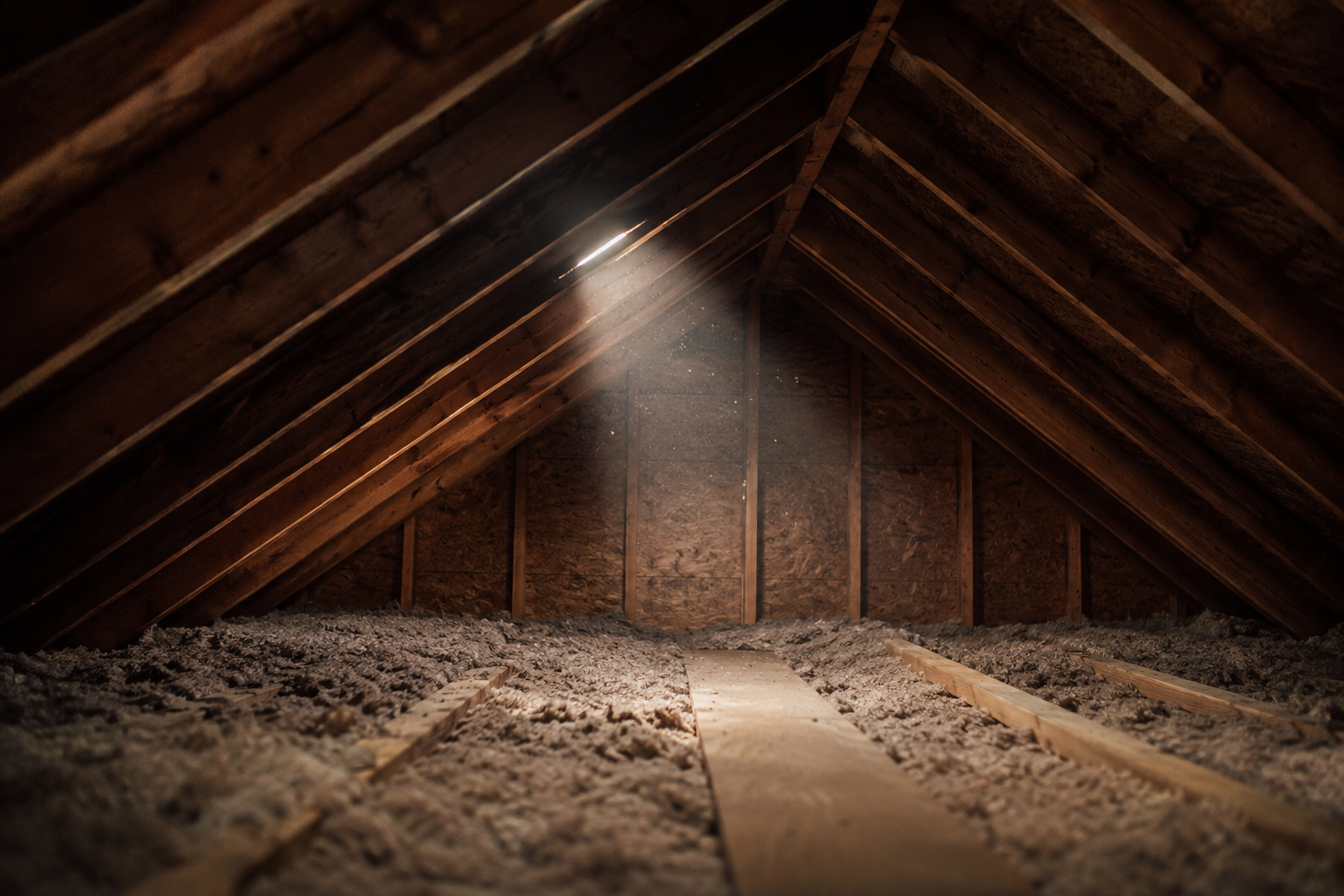
Go into your attic during daytime and turn the attic light off. If you can see pinpoints of natural light coming through from above, those are confirmed openings in your roof deck.
Every gap is an entry point for water, outside air, and pests. There’s no version of this sign where you wait and see.
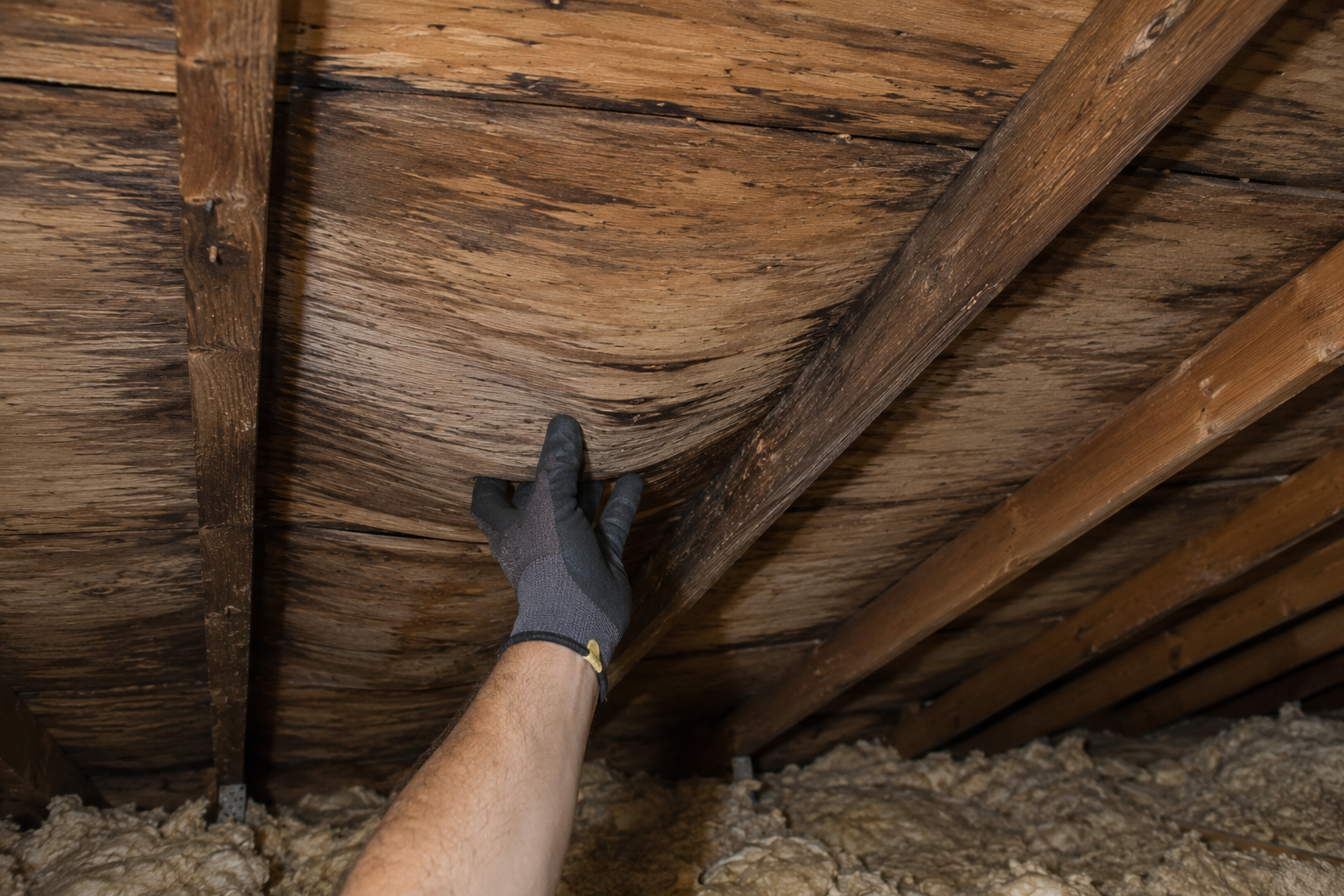
Press lightly on the roof deck boards from below. Healthy wood is firm. Soft or spongy wood means moisture has been there long enough to break down the wood’s structure — that’s rot, not just staining.
Visually, look for any section of the deck that appears to bow, dip, or wave. Check the ridge line and the broader field of the deck for areas that look uneven.
| What You See or Feel | What It Means |
| Staining or discoloration | Investigate past or ongoing moisture |
| Soft spots on the deck | Active or advanced moisture damage |
| Visible sagging or bowing | Urgent, get a professional evaluation |
Do not walk across areas that feel or look compromised. This is the most structurally serious sign on this list.
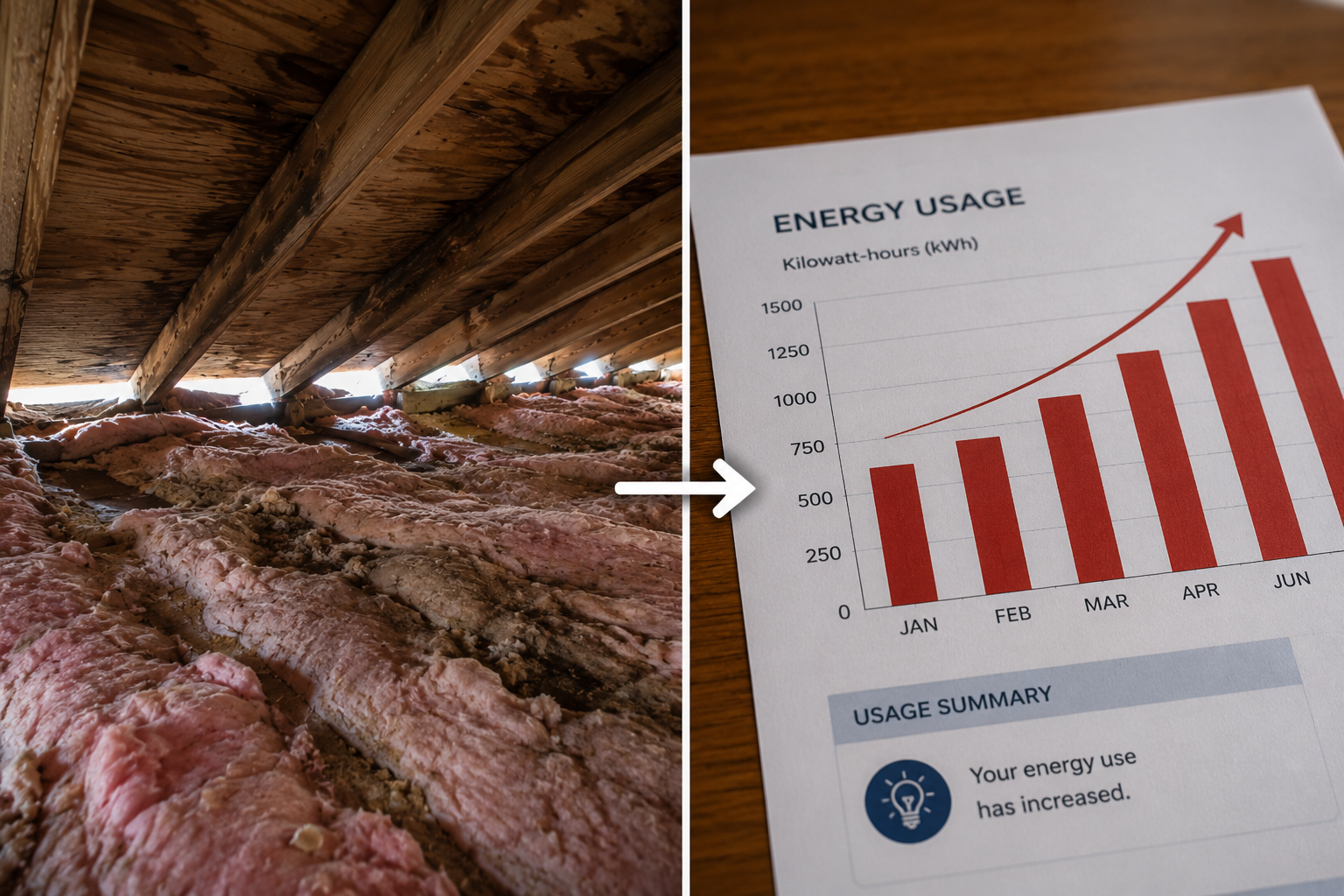
If your heating or cooling costs have quietly crept up, and nothing else in your home has changed, your attic may be the reason.
Damaged insulation and air leaks from gaps or failed roofing components allow conditioned air to escape. Your HVAC runs longer to compensate. The bill reflects it.
Pull your utility bills from the same months last year. A consistent upward trend without a rate change or major lifestyle shift is worth investigating at the attic level.
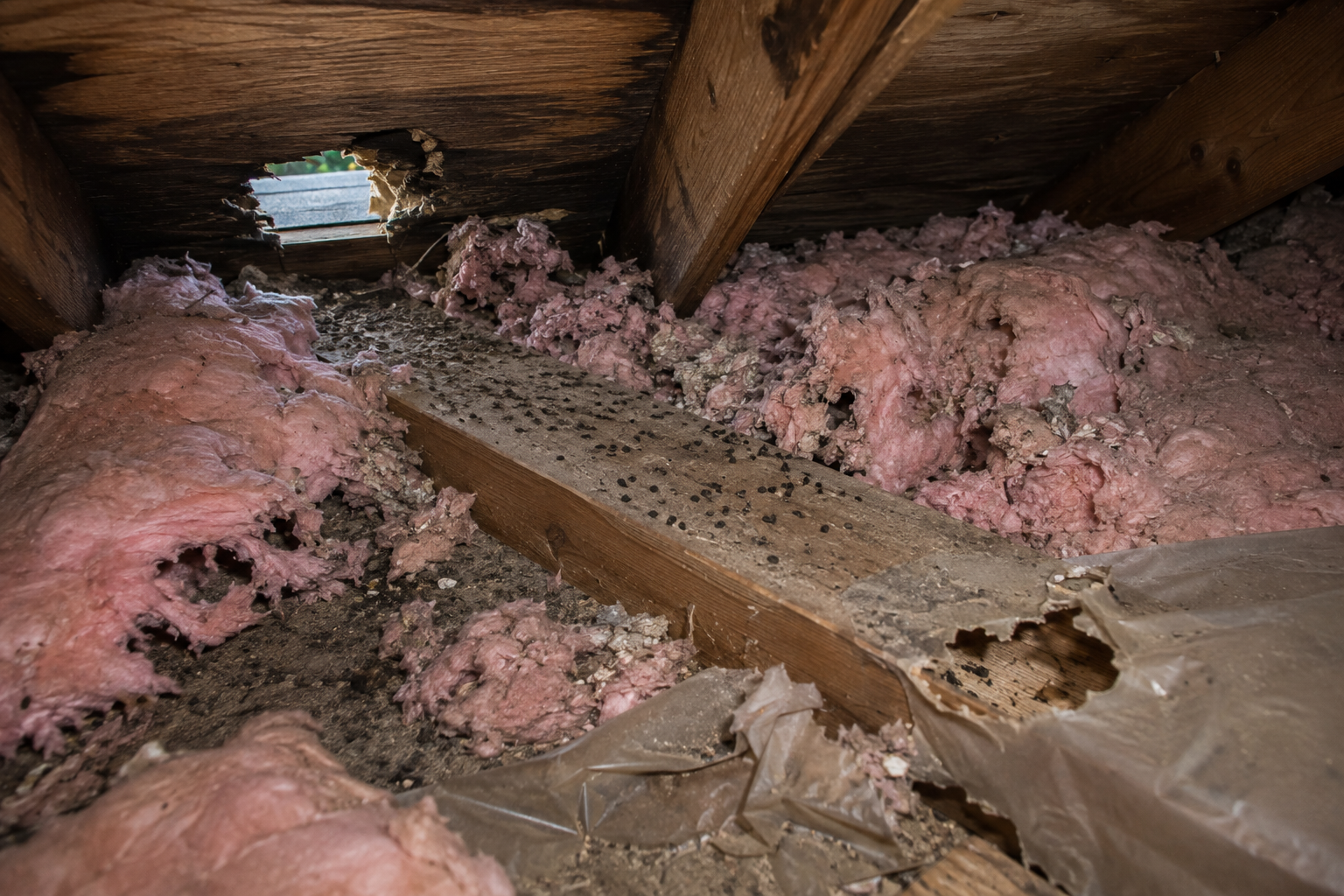
Droppings, shredded insulation, nesting material, gnawed wiring- any of this in your attic means something has found its way in from outside.
And the entry point that let the pests in? That same gap is open to water and outside air. The damage pests leave behind- chewed insulation, compromised vapor barriers, gnawed wood- creates additional vulnerabilities that compound over time.
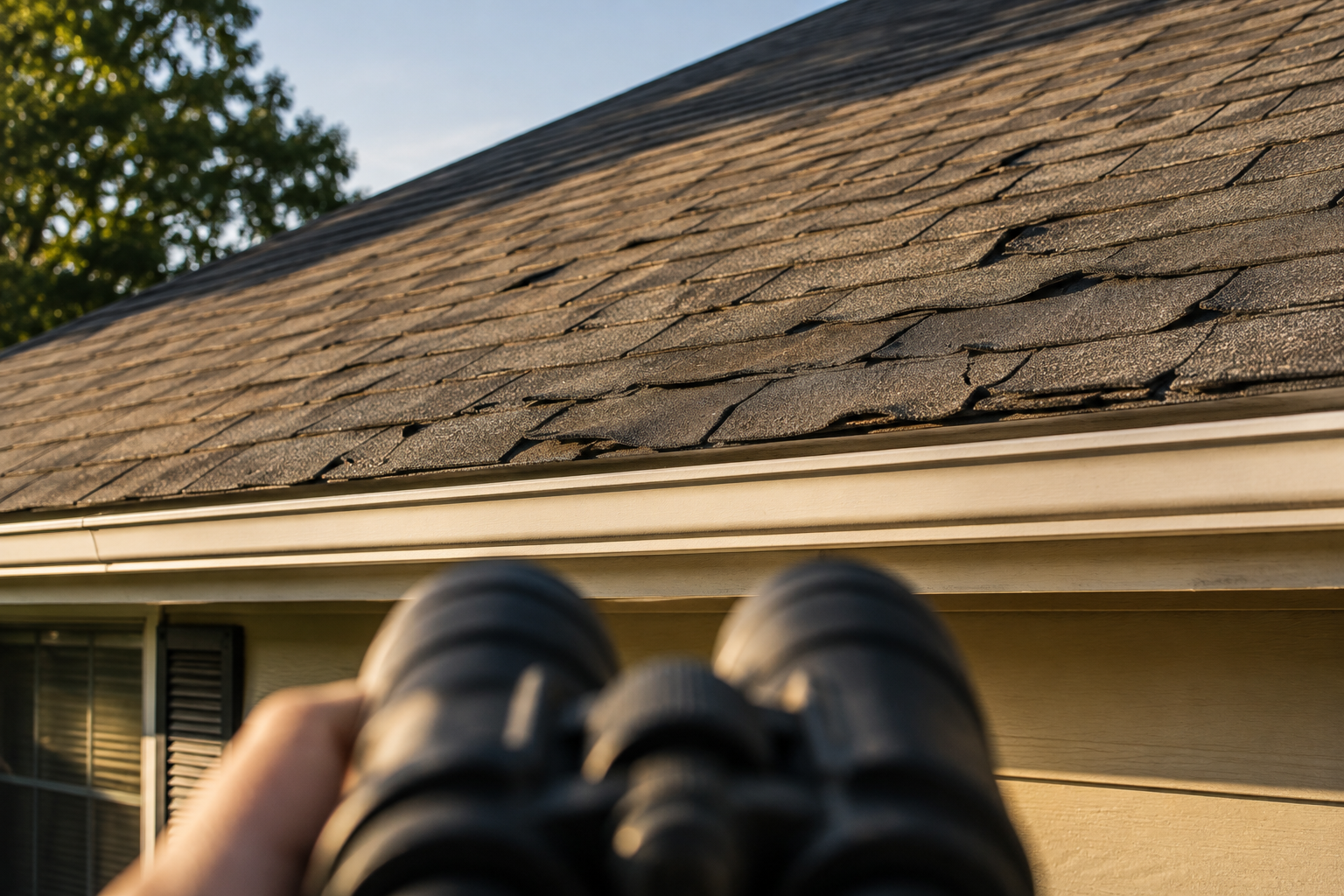
You may not need to go on the roof to spot this. From the ground with a pair of binoculars, look for shingles that are cracking, curling at the edges, or blistering.
Cracked or curling shingles no longer lie flat against the deck. That means water can work its way beneath them, into the underlayment, and eventually into the attic below, every time it rains.
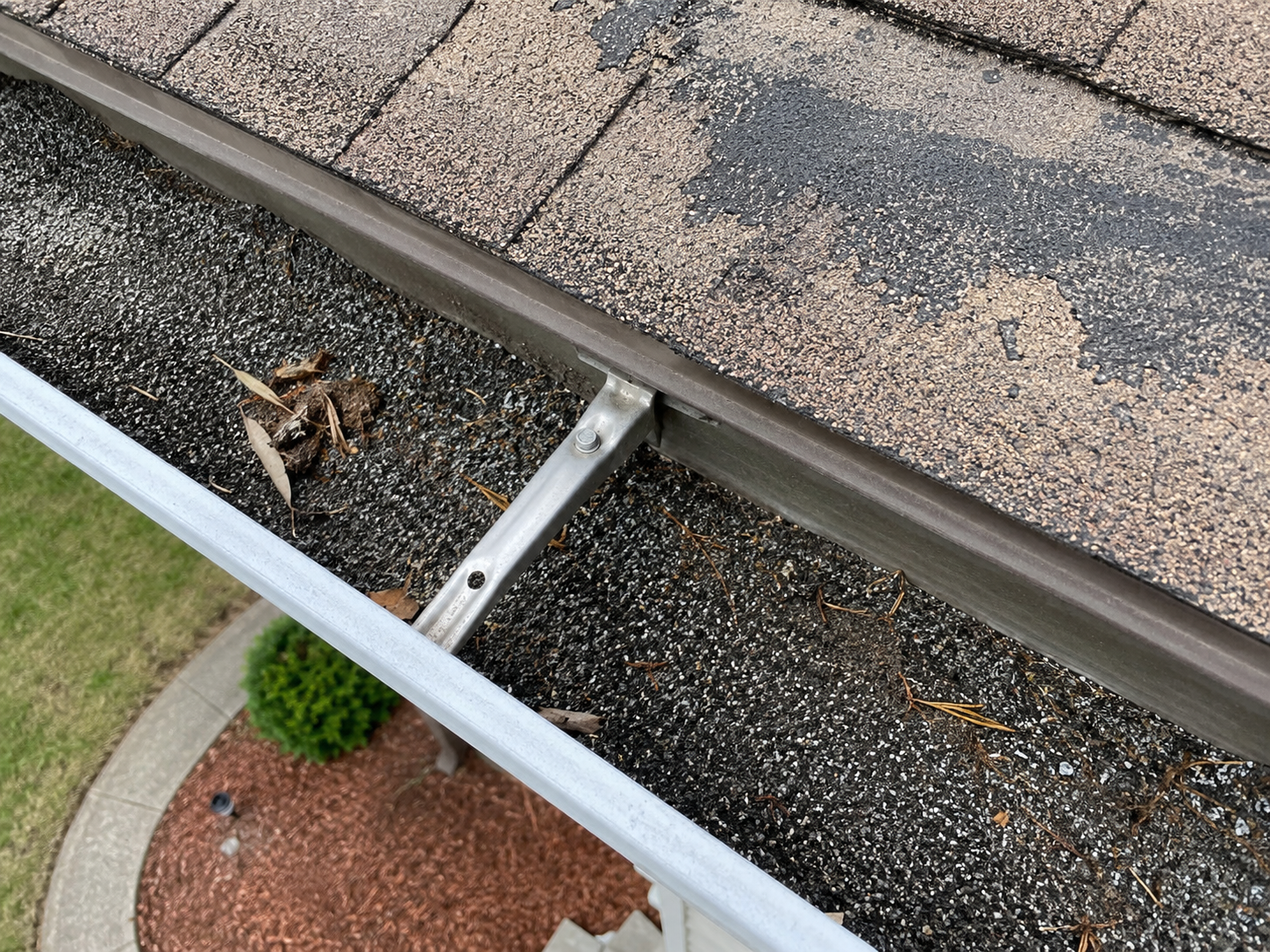
Asphalt shingles shed granules as they age and wear. Finding a small amount over time is normal. Finding a significant buildup in your gutters or downspouts is not.
Granule loss means your shingles are losing the protective layer that shields the underlayment from UV exposure and moisture. Once that layer is gone, the materials below become increasingly vulnerable, including your roof deck.
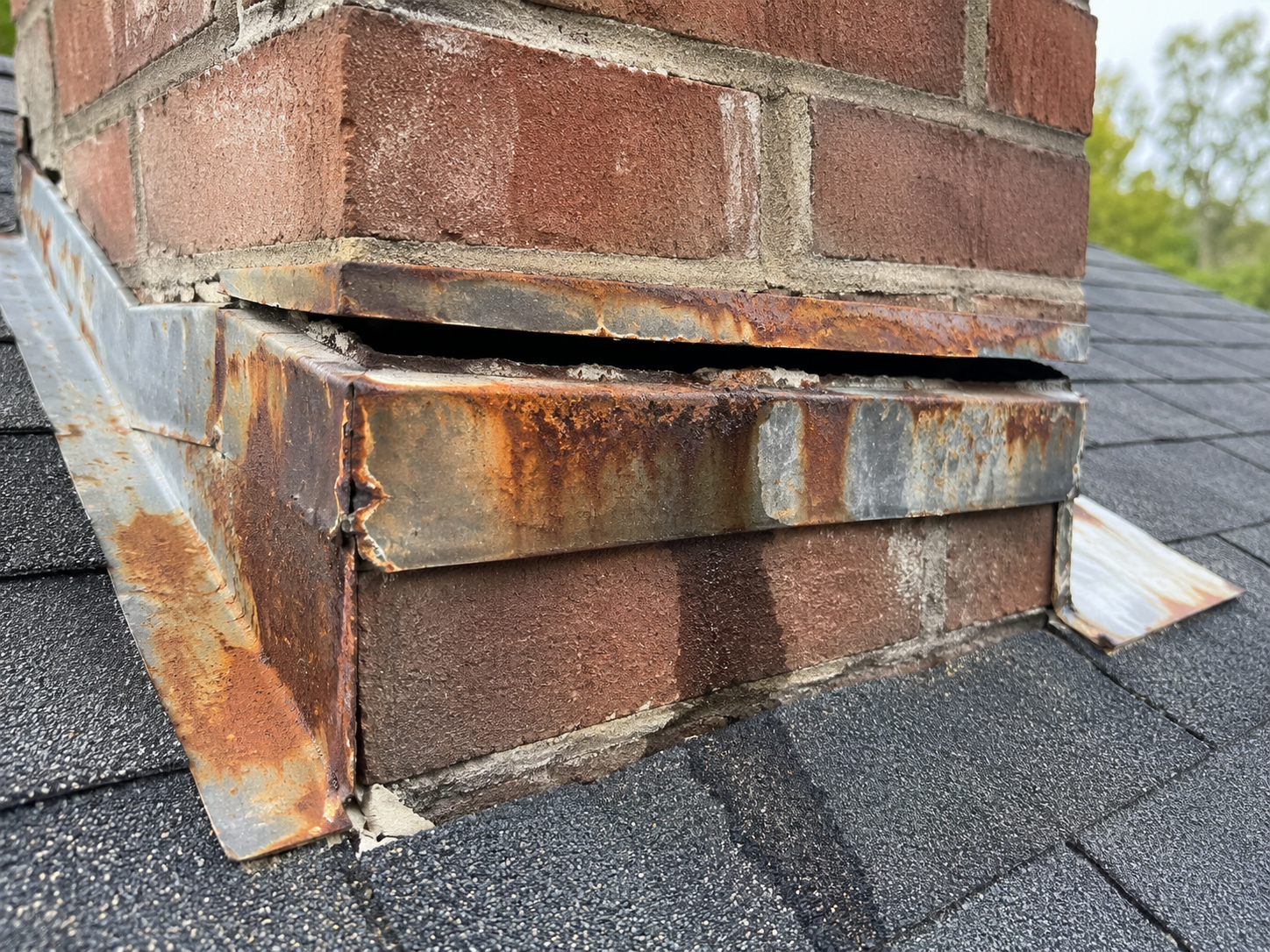
Flashing is the metal material that seals the joints around your chimney, vents, and skylights. When it rusts, cracks, or starts to pull away from the surface, it creates a direct opening for water to enter.
This is one of the most common and most overlooked sources of hidden attic moisture. The gap can be small enough to miss on a casual inspection but large enough to let water in during every rainstorm.
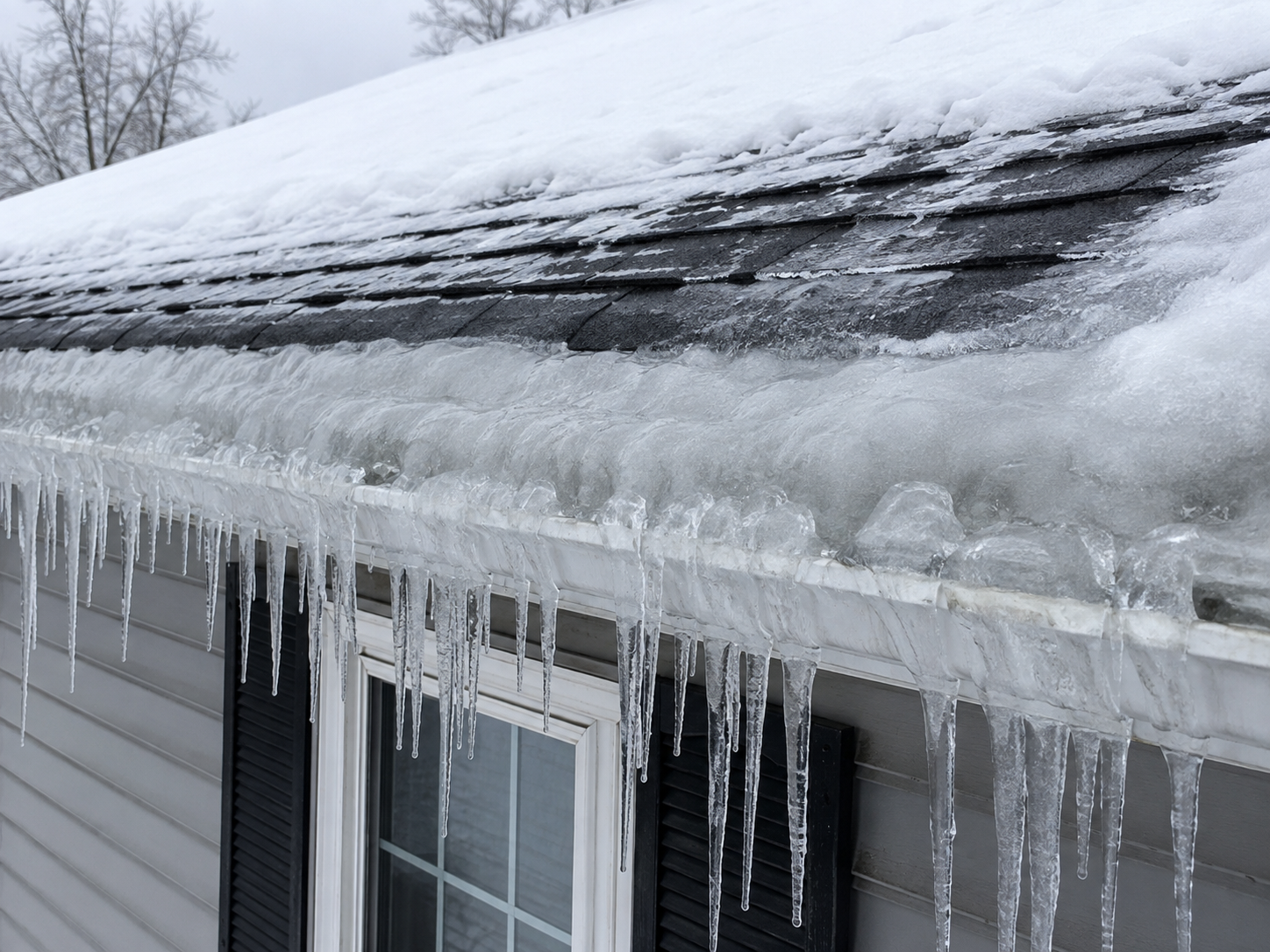
Ice dams form when heat escapes unevenly from the attic, warming the upper sections of the roof and melting snow that then refreezes as it reaches the colder eaves.
If you’re seeing heavy ice ridges along your gutters or long rows of icicles after a snowstorm, your attic is losing heat in a way it shouldn’t. That points to insulation or ventilation problems inside the attic, and ice dams themselves can force water back up under your shingles, causing leaks that go straight into the attic.
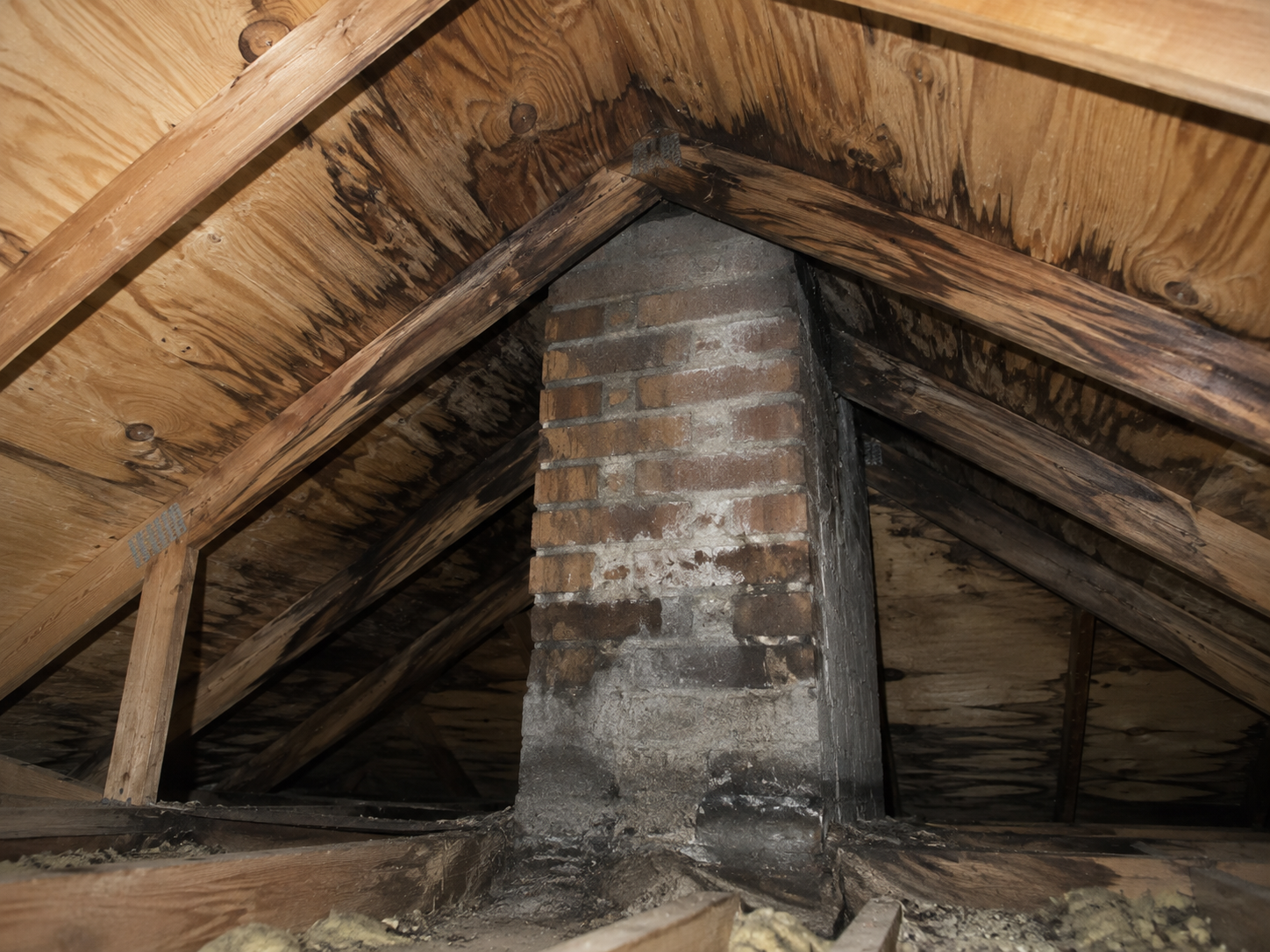
Water stains or damp spots on attic wood near the chimney line usually point to one cause: the flashing or seal around the chimney has failed.
The chimney is one of the most common entry points for water that travels into the attic silently — long before it becomes visible anywhere inside the home. If staining clusters around the chimney area, that’s where to start looking.
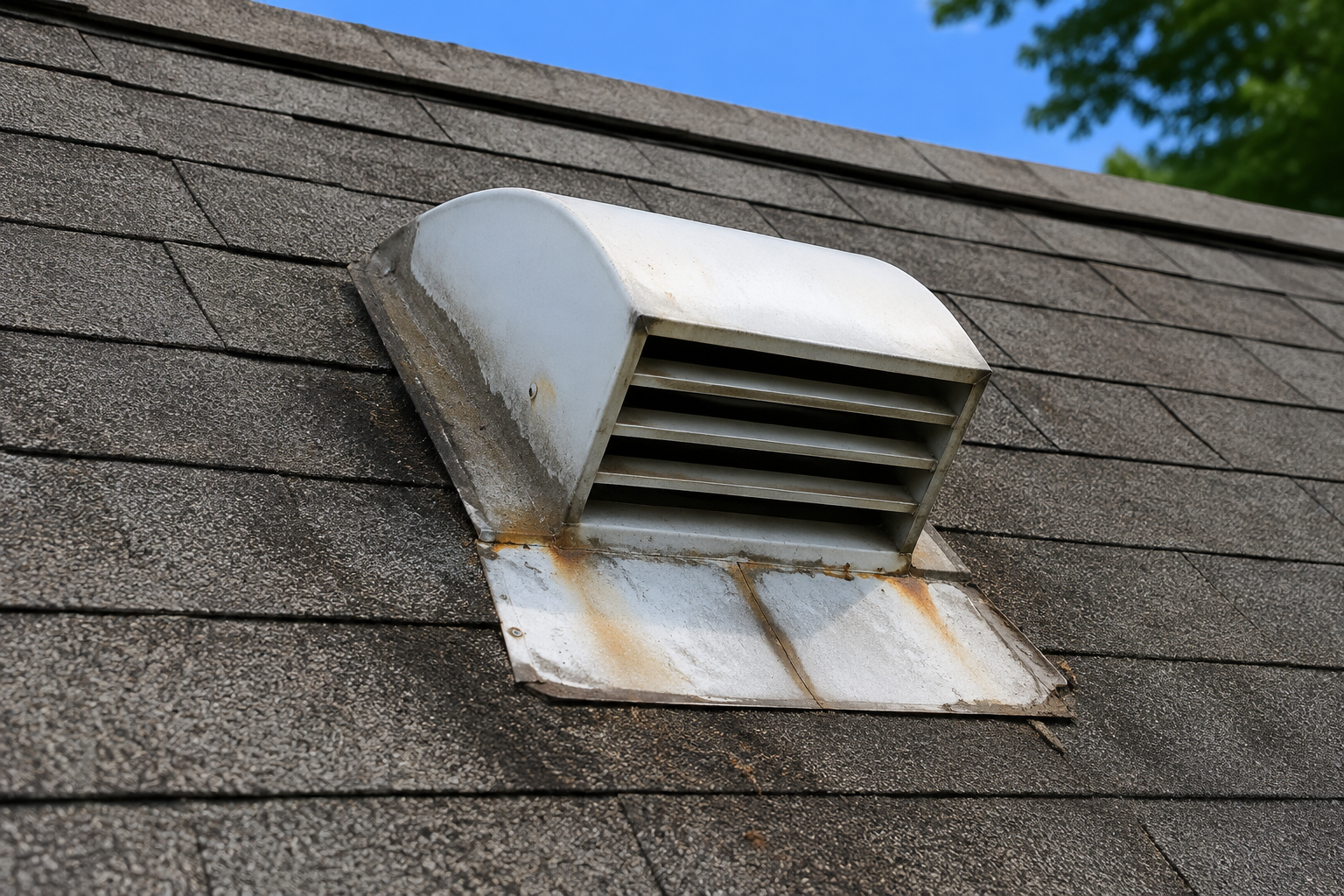
Step into your attic on a hot afternoon. If the heat is dramatically hotter than outside, the attic isn’t ventilating properly.
A poorly ventilated attic traps heat that bakes the underside of your shingles, softens adhesives, and radiates down into the rooms below. Over time, this excessive heat accelerates shingle aging and creates the conditions that lead to the moisture and structural problems described throughout this list.
Hidden attic damage follows a predictable path, and each stage is more expensive than the last.
Trapped moisture damages insulation → insulation failure leads to mold and wood decay → decaying wood weakens the roof structure → a structurally compromised roof allows more water in → interior ceiling and wall damage follows.
What starts as a manageable repair becomes a full roof replacement conversation if left long enough.
If you notice water stains, mold, damaged insulation, or other signs of attic moisture, take these steps:
Some of what’s on this list you can spot yourself. Some of it- deck integrity, flashing condition, moisture behind insulation- requires a trained eye and the right tools.
Statewide Roofing Specialist offers free roof inspections across the Piedmont Triad and surrounding areas. Their inspectors use drone documentation to find what you can’t see from the attic floor, and give you a clear, honest picture of what your roof actually needs.
No pressure. No commitment. Just answers.
📞 Call 336-936-5245 or Schedule Your Free Inspection Online
Yes. Mold only needs moisture and a surface. Condensation from poor airflow, with no active leak at all, is enough to create the conditions mold requires.
At least once a year, and after any significant storm. A quick annual check catches problems while they’re still manageable.
Dark streaks on rafters, rust around nail tips, compressed or discolored insulation, and soft or spongy wood, none of which require an active drip to be present.
Yes. When the roof deck or rafters absorb moisture over time, the wood rots and loses the structural strength needed to support your roofing materials.
For anything involving the roof deck, flashing, shingles, or moisture entering from the roof, a qualified roofing contractor is the right call; they identify the source of the problem and give you repair options, not just a report.