Oct 13, 2026
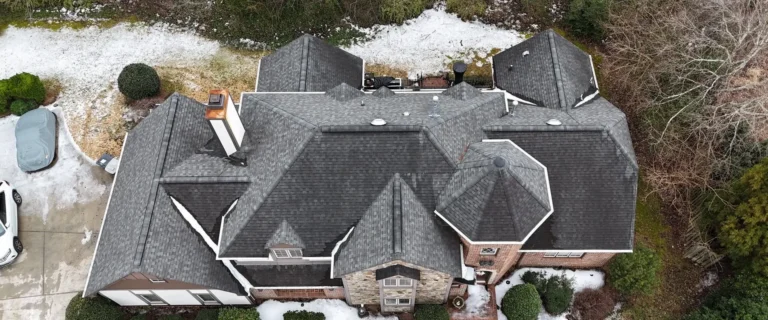
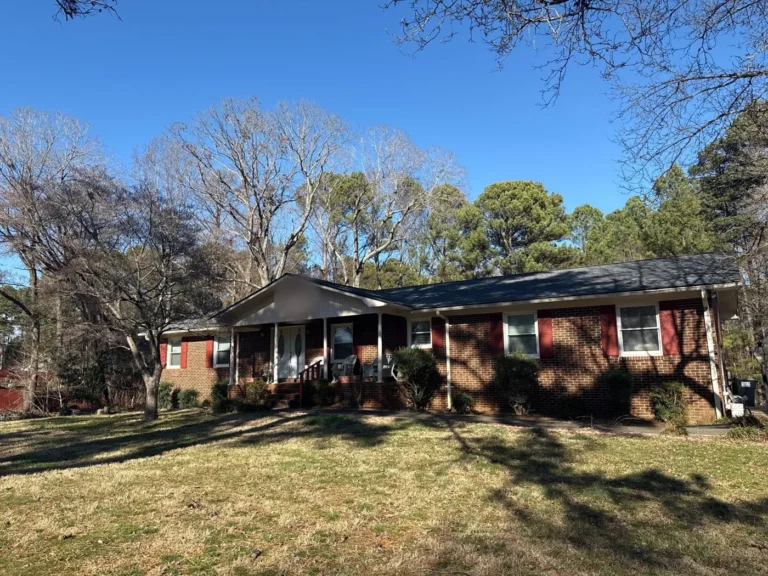
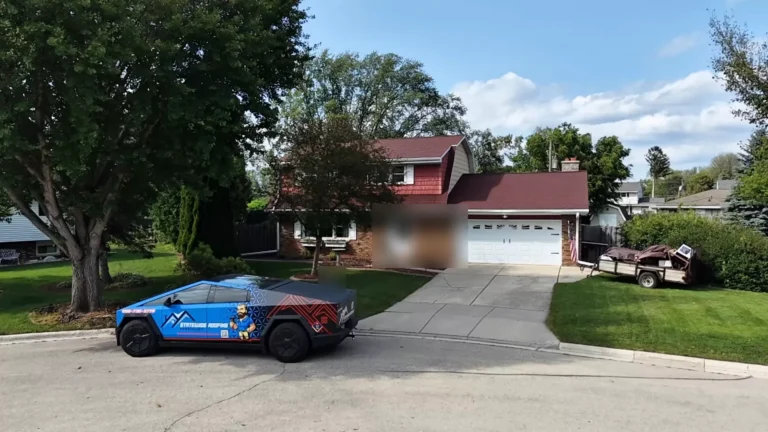
Green Bay Hail Damage Roof Replacement: GAF Timberline HDZ in Barkwood



Summary
|
Your roof protects everything you own—so when it’s time to replace it, waiting weeks in limbo isn’t just inconvenient, it’s stressful!
Roof replacements are one of the biggest home upgrades nationwide. In fact, U.S. homeowners completed 8.3 million major home improvement projects, spending $93.5 billion in a single year, and roofing ranked among the highest-cost and most time-sensitive upgrades.
With so much time, money, and planning involved, it’s completely normal to want a clear timeline. Your roof protects everything you own, so knowing how long each stage takes helps you prepare your home, your schedule, and your expectations.
In this guide, we’ll walk you through the entire roof replacement timeline — from booking the first inspection to the final cleanup — so you know exactly what to expect and what can extend the process.
Here’s a realistic breakdown:
| Roofing Material | Average Installation Time | Typical Project Timeline (Full) |
| Asphalt Shingles | 1–3 days | ~ 2–3 weeks |
| Metal Roofing | 3–5 days | ~ 2–4 weeks |
| Cedar Shake | 4–6 days | ~ 3–6 weeks |
| Tile / Slate | 6–10 days | ~ 4–8 weeks |
But the true project timeline includes more than installation:

Once you call a roofing contractor, the first step is a thorough inspection. This helps them determine the condition of your current roof and what the project will involve.
What the inspector typically checks:
When this step takes longer:
If structural damage is discovered — such as deteriorated decking or mold — the timeline can be extended by 1–2 extra days, as repairs must be made before installing new materials.
After the inspection, the next step is choosing your roofing materials. Most homeowners pick from:
Your contractor will also confirm the availability of suppliers and delivery timelines.
| Tip: Ask your contractor about alternative materials in case your first choice has long lead times — especially during busy periods. |
Not every city requires a roofing permit, but if yours does, this stage adds time.
What affects this stage:
This is when the crew comes in and removes your old roofing materials. Tear-off can be noisy and messy — think hammering, scraping, and debris falling into dumpsters.
What homeowners can expect:
If your roof has multiple layers or heavily built-up materials, this step may take longer.
This is the most visible part of the work — your home literally gets a new roof.
| Material | Installation Time | Notes |
| Asphalt shingles | 1–3 days | Fastest, cleanest installation |
| Metal roofing | 3–5 days | More precise installation is required |
| Cedar shake | 4–6 days | Hand-laid & detailed work |
| Tile / Slate | 6–10 days | Heavy + structural checks required |
Once installation is complete, the crew performs a full cleanup. This step is just as important as the installation itself.
Cleanup includes:
| Pro tip: Ask for before-and-after photos — many reputable contractors provide them to document the job. |
Even with a solid plan, a roof replacement doesn’t run on a fixed clock. Several real-world factors can speed things up or slow them down. Here’s what makes the most significant difference:
The larger the roof, the longer the project will take to complete. But size isn’t the only thing — the shape matters too.
Examples of roofs that take longer:
These areas require more detailed work, which adds time to the overall project.
Some roofing materials can be installed quickly, while others require more time and precision.
Typical installation speeds:
Choosing a premium, long-lasting material often means a longer installation phase.
Roofing is extremely weather-dependent. Crews can’t work safely in:
Bad weather doesn’t just delay a day of work — sometimes it pushes the schedule into the next available opening.
For example, in High Point, NC, spring and summer bring occasional thunderstorms, which can delay roofing projects by a day or more. Winter months are generally mild, but cold snaps may pause work. Bad weather doesn’t just delay a day of work — sometimes it pushes the schedule into the next available opening.
For expert guidance and scheduling in the area, contact our certified team for roof replacement services in High Point
The number of people working on your roof directly affects the speed.
Availability also matters: during busy seasons (mainly spring and fall), contractors often book out weeks in advance, stretching the overall timeline before work even begins.
Sometimes, roofers uncover issues once the old shingles come off.
Extra time may be needed if they find:
These repairs usually add 1–2 extra days, depending on the severity.
For professional help, check our roof repair services
Yes — but only in very specific situations:
✔ The house is one-story
✔ The roof design is simple
✔ Material is asphalt shingles
✔ Weather is perfect
✔ No underlying damage is discovered
For all other cases, expect a delay of at least 1–3 days.

Reach out to a professional if you notice:
Acting early helps you avoid surprises and extended timelines.
If you’re planning a roof replacement — or even just thinking about it — don’t wait until minor issues become expensive repairs. Our certified experts are here to walk you through every step with honesty, clarity, and top-tier craftsmanship.
Call Statewide Roofing Specialist today at 336-936-5245 or Request a Free Quote.
Let’s get your roof ready for whatever tomorrow brings — with quality you can trust and warranties that truly protect your home.
Most projects take 2–3 weeks, but during peak seasons, scheduling and permits can extend it to 6–12 weeks.
If more than 25% of your roof is damaged, many local codes require a full replacement instead of repairs.
The installation alone takes 1–10 days, but the full start-to-finish timeline spans several weeks with planning and permits.
Yes, but only for small, simple asphalt roofs with no underlying damage and perfect weather conditions.
Common delays include poor weather, permitting backlogs, material shortages, and unexpected structural repairs.
Not necessarily — but being available by phone helps your contractor clarify details or access areas if needed.
A tear-off usually takes ½ to 1 full day, depending on roof size and how many layers need removal.