Oct 11, 2026
Sparta, NC: Five Standing Seam Metal Roofs, Panels Made On Site



Key Takeaways
|
The most common roof problems Wisconsin homeowners should address before winter include damaged shingles, failing flashing, clogged gutters, poor attic ventilation, leaks, weak decking, and worn seals around vents and chimneys. These issues may seem minor during fall, but Wisconsin’s snow, ice, and freeze-thaw cycles can make them much worse.
You may notice a few shingles in the yard, a small stain on the ceiling, or gutters that aren’t draining properly, and think it can wait until spring. But once winter arrives, that small problem can become an active leak, ice dam, or more difficult repair.
A pre-winter roof check helps catch these issues while they’re still manageable. Here are the most common roof problems Wisconsin homeowners should look for before the first snowfall.
Wisconsin’s freeze-thaw weather can put repeated stress on roofing materials. As temperatures rise and fall, roof components expand and contract, while snow and ice can add additional moisture and weight. IBHS research has documented aging-related problems in asphalt shingles such as unsealing, curling, exposed fasteners, and buckling.
Most winter roof failures in Wisconsin trace back to a handful of common roof problems that are easy to catch in the fall but expensive to ignore once snow sets in. Before the first snowfall, check for:
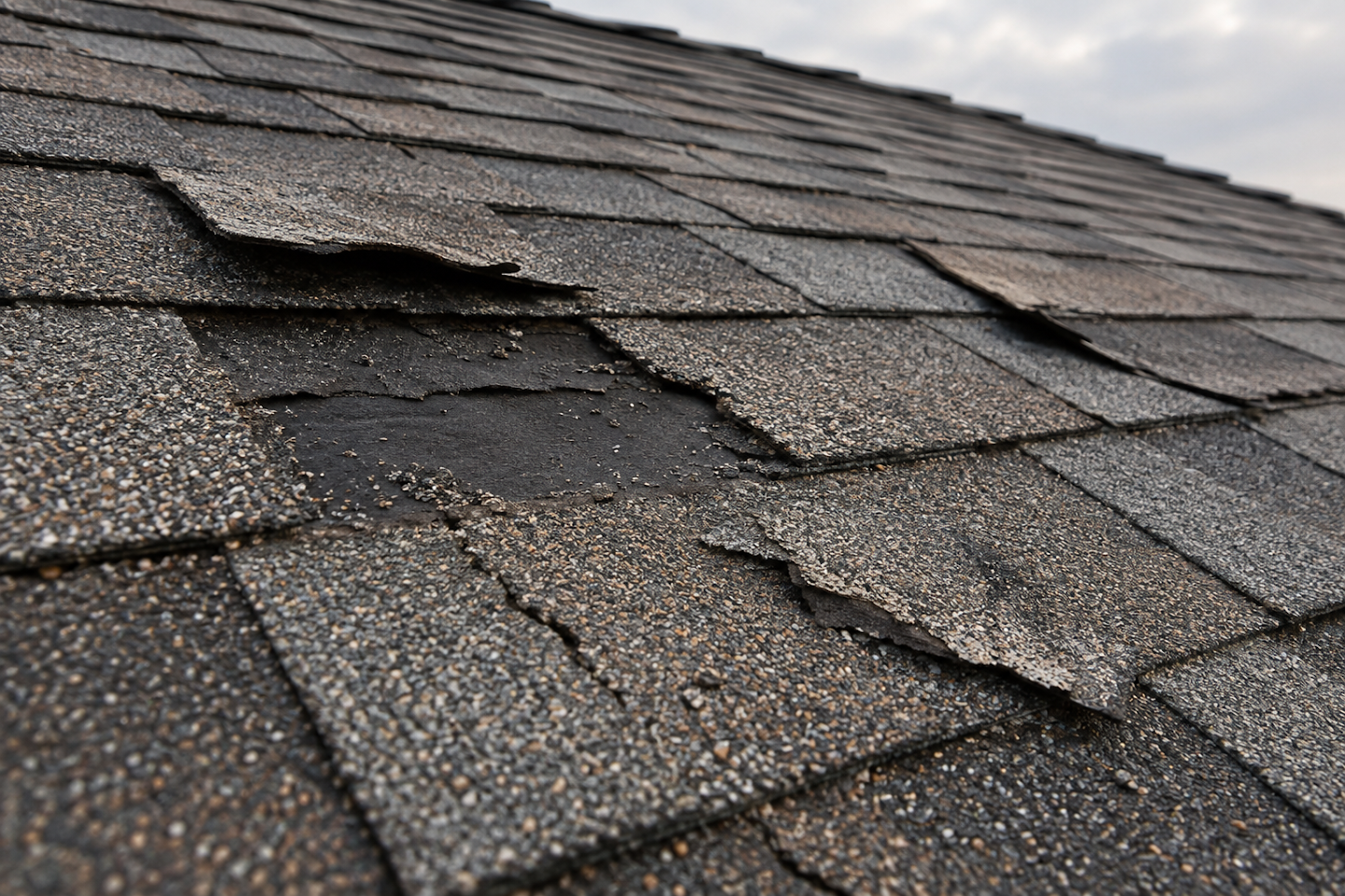
Missing or curling shingles expose the roof deck to moisture, and that gap only gets worse once snow and ice settle on top of it. Walk your yard after any fall windstorm and look for shingle pieces on the ground; that’s often the first visible sign. Cracked or brittle shingles carry the same risk even if none have blown off yet, since Wisconsin’s temperature swings make aging shingles more likely to crack under stress.
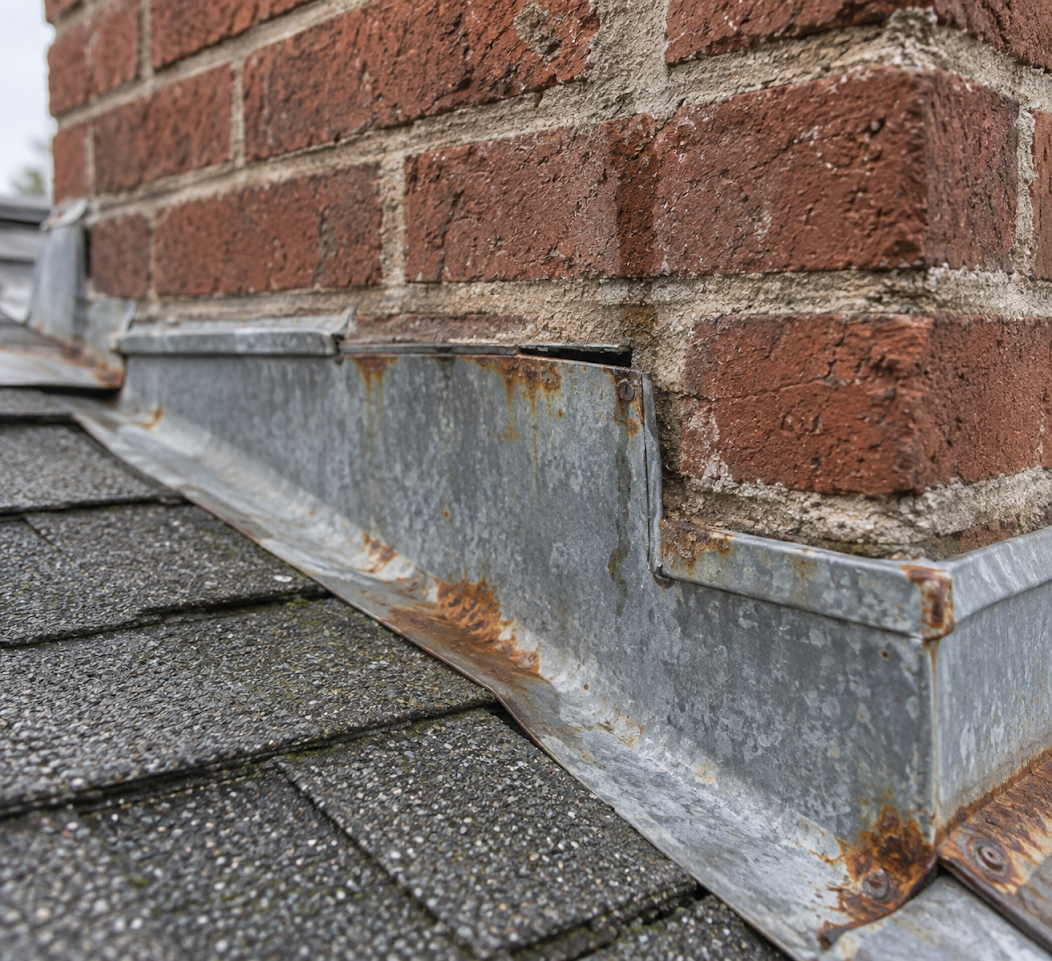
Flashing seals the joints around chimneys, skylights, and roof valleys, and once it cracks or pulls away, water has a direct path into your home. Check for gaps or rust around any metal flashing before winter. A small separation now can turn into a hidden leak once snow melts and refreezes around it repeatedly through the season.
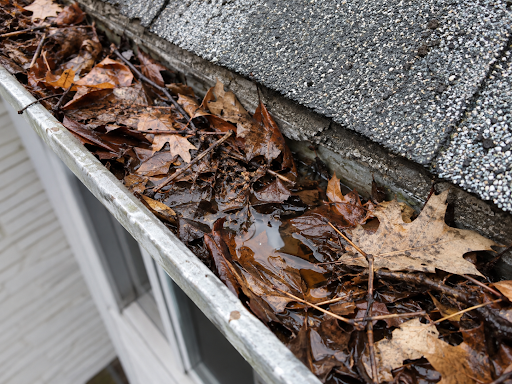
Clogged gutters keep water sitting against your roofline instead of draining away, which is one of the fastest ways to create ice dams once temperatures drop. Clear leaves and debris now so melting snow has somewhere to go all winter. If your gutters are sagging, pulling away from the fascia, or the fascia board itself looks soft, gutter, soffit, and fascia repairs can help prevent bigger problems before the first freeze.
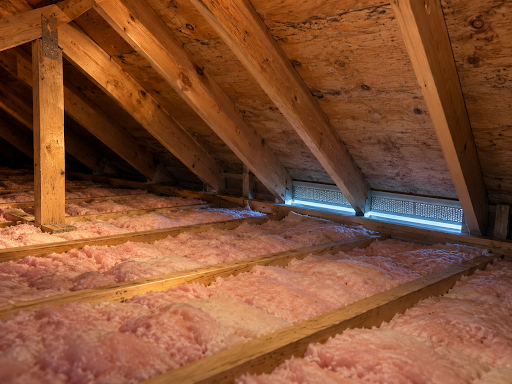
Poor attic ventilation traps warm air against the underside of your roof deck, which melts snow unevenly and feeds the ice dam cycle mentioned above. Check that soffit vents aren’t blocked by insulation and that any bathroom or kitchen exhaust fans vent outside, not into the attic itself. This is one of the few roof issues that’s often invisible from the ground but shows up as ice buildup at the eaves all winter long.
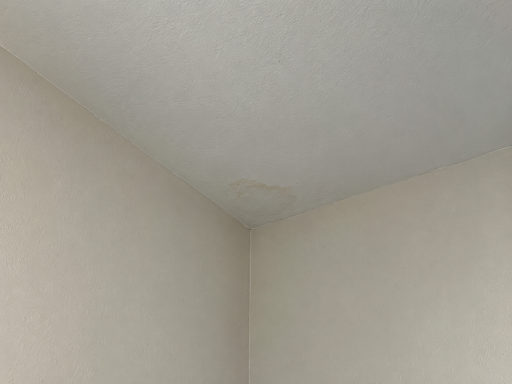
Small leaks and ceiling water stains rarely stay small once winter moisture gets involved. A faint yellow-brown ring on a ceiling usually means water has already been getting in for a while, even if it’s not dripping yet. Don’t wait for an active leak during a storm; a stain discovered in October is far easier to trace and fix than one discovered during a blizzard. If a leak appears during severe weather, emergency roof repair can help limit further water damage and protect your home until a permanent repair can be made.
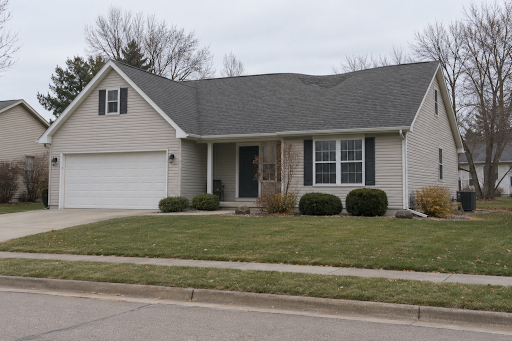
Sagging decking means the wood sheathing beneath your shingles has weakened, usually due to prolonged exposure to moisture. A soft or bouncy feel when walking on the attic floor, or a visible dip in the roofline from the street, is both a sign that the structure itself needs attention, not just the surface layer. This is one problem where a full roof replacement is often more practical than a patch, since decking issues tend to spread once snow load is added.
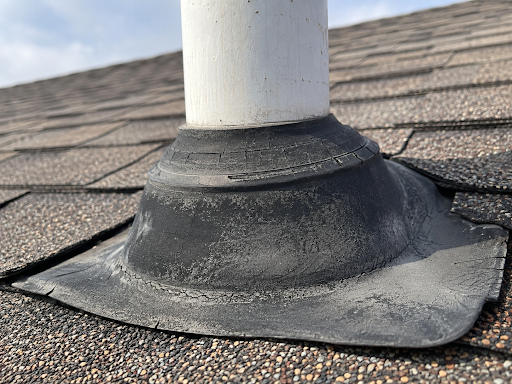
Worn or cracked sealant around pipe vents, skylights, and chimney bases is an easy detail to miss, but it’s a common entry point for water once ice starts forming nearby. Rubber boot seals in particular tend to dry out and crack with age, well before the surrounding shingles show any wear. A quick visual check from the ground, or with binoculars, can catch this before it becomes a winter leak.
A little roof maintenance before winter goes a long way toward avoiding emergency repairs once the season turns. Before temperatures drop for good:
Cold weather can make asphalt shingles less flexible and may delay their natural sealing. A discussion on Reddit by Wisconsin homeowners also highlights concerns about shingles sealing in cold conditions. The discussion reinforces the need for homeowners to address necessary roofing work before harsh winter weather arrives and to follow the shingle manufacturer’s installation requirements.
Homeowners who prepare their roofs for winter early tend to spend far less on emergency calls once the snow actually arrives, simply because problems get caught while they’re still small.
Not every pre-winter roof task requires a roofing contractor. Some basic maintenance can be handled safely by homeowners, while repairs and anything involving the roof surface are better left to a professional. Knowing where to draw the line can help you avoid unnecessary risks and prevent small problems from becoming larger repairs.
A few simple pre-winter tasks are reasonable for homeowners, including:
Avoid walking on the roof, especially as temperatures drop and surfaces become wet, icy, or slippery.
Professional help is recommended for anything that requires access to the roof or for determining the cause of a roofing problem. This includes:
Wisconsin roofs can become hazardous as winter approaches, and a misdiagnosed leak may lead to repeated repairs if the actual source is missed.
If you notice any of the problems discussed above, addressing them before winter is generally easier and less costly than waiting until snow, ice, and freezing temperatures turn a minor issue into an emergency.
Wisconsin’s fall-to-winter transition looks a little different from city to city, but the risks are the same statewide. We work with homeowners in Madison, Milwaukee, Green Bay, Appleton, Racine, Watertown, Janesville, Fond du Lac, Sheboygan, and other communities across the state. Visit our Wisconsin roofing page for a full look at how we serve your area.
Most winter roof emergencies in Wisconsin start as small, fixable problems in the fall: a loose shingle, a clogged gutter, or a hairline crack in the flashing. Catching these issues early can help prevent more costly repairs once snow, ice, and freezing temperatures arrive.
Statewide Roofing Specialist is GAF Master Elite certified and backed by workmanship warranties up to 25 years (5-year standard, 10-year GAF Silver Pledge, 25-year GAF Golden Pledge). We also provide free, thorough drone roof inspections to help identify roof damage and problem areas that may be difficult to spot from the ground.
Call us at 608-736-9779 or contact Statewide Roofing Specialist to schedule your free pre-winter roof inspection.
The most common cold-weather roof problems in Wisconsin are damaged shingles, cracked flashing, clogged gutters, poor attic ventilation, and worn sealant around vents. Left unchecked, these small issues often lead to ice dams and leaks once temperatures drop.
Repair your roof by late fall, ideally before the first hard freeze. Wisconsin’s freeze-thaw cycles make small problems worse quickly, and steep, icy roofs are far more dangerous to work on once winter weather actually arrives.
Unrepaired roof damage typically worsens once snow and ice settle in. Small leaks can spread into attic and ceiling damage, while ice dams and added snow load stress weak decking, often turning an affordable fix into a full replacement.
Homeowners can protect their roofs by scheduling a fall inspection, clearing gutters and debris, checking attic insulation and ventilation, and repairing minor issues early. Addressing small problems before winter is far cheaper than emergency repairs mid-storm.