Oct 13, 2026
Green Bay Hail Damage Roof Replacement: GAF Timberline HDZ in Barkwood

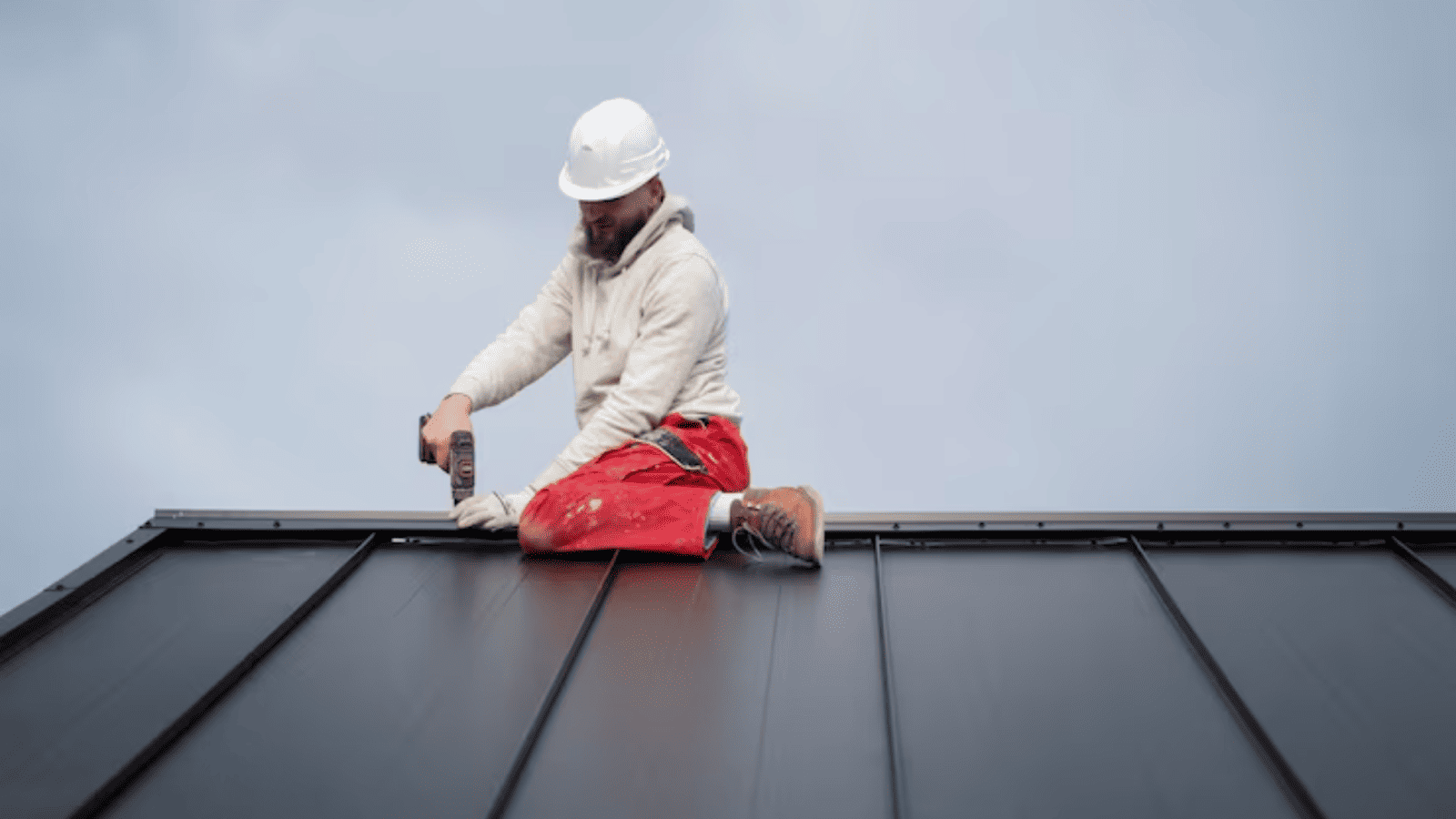


“My roof’s under warranty” — great. But is it really protecting you?
Here’s the harsh truth: residential and commercial roofing warranties operate on totally different rules, and most of you don’t find out until you’re staring at a repair bill.
Commercial roofs? Often backed by 20+ year warranties with clear terms. Yours?
Labor coverage may vanish after just 2–5 years, and 42% of claims get denied over “installer error” or missed inspections. Your warranty isn’t broken.
Want to know what yours actually covers — before disaster strikes? Read on. Time’s ticking.
| Feature | Residential Roofing Warranty | Commercial Roofing Warranty |
|---|---|---|
| Roof Type | Sloped (shingles, metal, tile) | Flat or low-slope (TPO, EPDM, PVC) |
| Coverage | Separate material + labor warranties | System coverage (materials + labor + sometimes consequential damages) |
| Financial Protection | Limited, prorated (manufacturer pays less over time) | Often “No Dollar Limit” (NDL) — covers full repair cost |
| Duration | 20–50 years, but prorated after 10–25 | 10–30+ years, often full value longer |
| Transferability | Usually, yes, for a fee | Usually no, expires when the property sells |
| Maintenance Rules | Recommended | Mandatory inspections or risk voiding |
| Contractor Requirements | Certified installer (e.g., GAF Master Elite®) | Top-tier factory-certified contractors only |
When you install a new roof, you’re actually getting two separate warranties, not one. You need both to be fully protected.
Covers: It protects you against defects in the roofing materials themselves. If the shingles, underlayment, or panels are defective due to issues in the factory, the manufacturer will cover the cost of replacement.
Excludes: However, there are essential exclusions to keep in mind:
Duration: Typically 20–50 years, but often prorated after year 10–25.
What to Watch For: This warranty is only valid if the roof is installed by a certified contractor, meaning one who meets the manufacturer’s standards. If your contractor isn’t certified, the warranty might not be honored.
Covers: A Contractor’s Workmanship Warranty is the protection you get from the contractor who installs your roof. This warranty covers mistakes made during the installation process, such as:
Excludes:
Duration: The duration of this warranty ranges from 2 to 10 years, depending on the contractor. Some high-quality contractors offer warranties that last up to 25 years.
Why it matters: Roof failures are caused by installation errors, not defective materials. So, even if you have a strong manufacturer’s warranty on your roofing materials, the contractor’s workmanship warranty is often more critical. It ensures that your roof was installed correctly in the first place and provides peace of mind if issues arise later on due to poor installation.
Commercial roofing warranties are available for flat roofs or low-slope roofs of the building, such as offices, warehouses, or retail space. They are more detailed and have stricter rules.
Note: Homeowners need not get commercial warranties because their strict conditions (e.g., obligatory inspections) cannot work in residential real estate.
GAF Master Elite® certification places us among the top 2% of roofing contractors in the nation. This certification allows us to offer warranty options up to 25 years, depending on the roofing system.
We have earned the right to be a Master Elite contractor through GAF, and all of our labor warranties—whether on our Silver, Pledge, or Golden Pledge warranties—are fully backed by GAF. This level of protection sets us apart from many competitors who are unable to offer the same comprehensive coverage.
Unlike many other contractors, if we were to go out of business or no longer be available, your warranty would still be valid because GAF, a trusted manufacturer, backs it. This ironclad protection is what separates us from other roofing contractors.
A roof warranty isn’t a guarantee; it’s a contract with fine print. Here’s what kills it and how to protect yourself:
| Action That Voids Warranty | How to Avoid It |
|---|---|
| Hiring an uncertified contractor | Always verify their certification with the manufacturer. |
| DIY repairs or add-ons | Adding a satellite dish or solar panel without professional help? The warranty is void. Always use a licensed, insured professional. |
| Neglecting maintenance | Clogged gutters, moss, debris, or ignoring small leaks. Clean your gutters twice a year and schedule a free inspection every 2–3 years. |
| Pressure washing your roof | This destroys shingle granules and seals, instantly voiding your warranty. |
| Installing over old shingles | Most manufacturers require a full tear-off. Do not install a new roof over old layers. |
Now let’s zoom out. Roofing warranties aren’t the only ones you should consider when you’re in a new build or remodel. According to the U.S. Federal Trade Commission (FTC), most new homes in the Triad come with a builder’s warranty — but the fine print matters.
What’s Not Covered
Household appliances, small cracks in walls or tile, items already under a manufacturer’s warranty (like shingles), and out-of-pocket expenses such as temporary housing during repairs.
Triad homeowner tip: Your builder’s 1-year warranty may cover roofing workmanship defects — but not storm damage. And if you try DIY fixes, coverage can be voided immediately.

Don’t let fine print cost you thousands. Follow these 5 steps to keep your warranty intact:
Roof warranties aren’t just paperwork — they’re protection for one of your home’s most significant investments. Whether residential or commercial, knowing what’s covered, what’s excluded, and how to maintain your warranty can save you thousands. For Triad homeowners, the key is simple: hire certified pros, follow the rules, and keep records. That way, your warranty actually works when you need it most.
Don’t risk voided coverage—call Statewide Roofing Specialist today at 336-936-5245 for your free inspection and warranty consultation.
Review your paperwork from the time the roof was installed. If you don’t have it, call the roofing company or manufacturer with your address. If you bought the home used, ask if the warranty was transferred to you. We can check it for you — free. Just call 336-936-5245.
Ask them for their certification card or ID number. Then go to the manufacturer’s website and type in their name or number. If they’re not listed, your warranty might not be valid. We’re certified — and we’ll prove it before we start work.
Only if a storm, wind, or a fallen tree caused the leak. If the leak is from bad installation or old shingles, that’s what your roof warranty is for. Don’t mix them up — it can delay your repair.
Maybe. If it’s in good shape, we can often add a labor warranty — even if the original one expired. We’ll inspect it first (free of charge) and let you know what’s possible. Better late than never.
Avoid these, and your warranty will still be there when you need it.