Oct 13, 2026
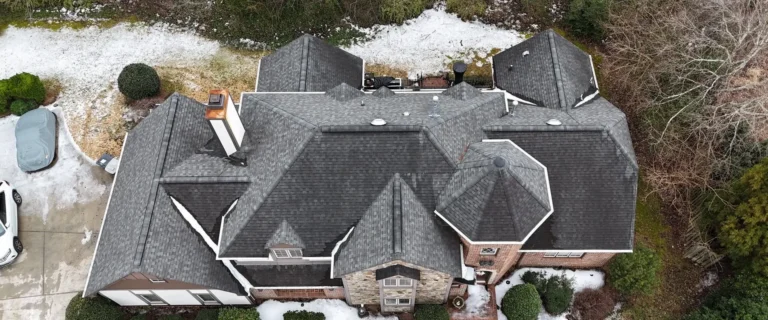
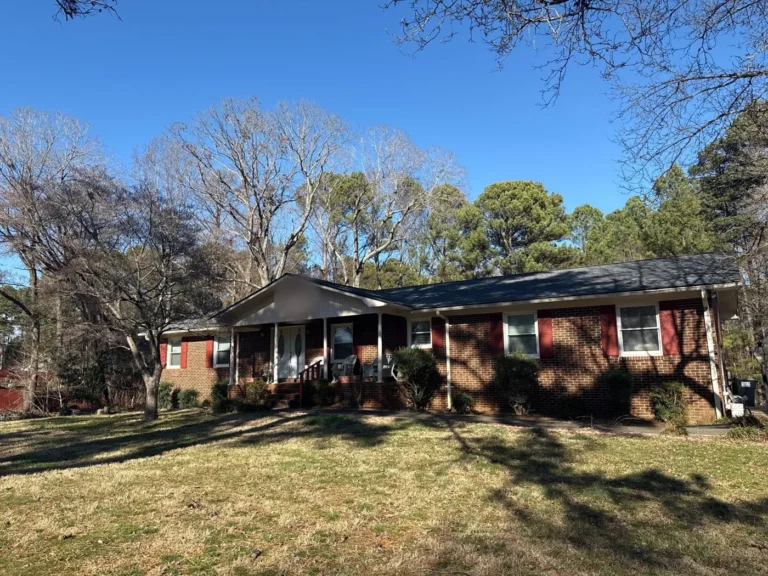
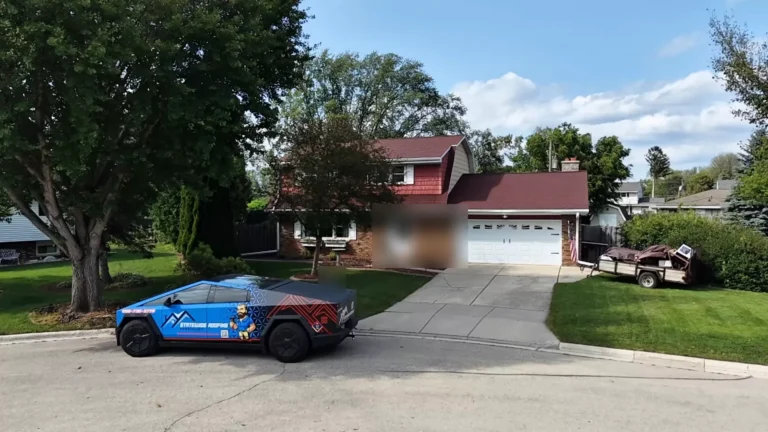
Green Bay Hail Damage Roof Replacement: GAF Timberline HDZ in Barkwood



Summary
|
Ever wondered why your home feels too hot in summer or struggles to stay warm in winter—even with proper insulation? The answer might lie right above you: your roof color.
Your roof isn’t just about style; it directly impacts your home’s energy efficiency, comfort, and long-term savings. Many homeowners overlook how roof shingle color affects temperature, energy use, and even the durability of their roofing materials.
Ask yourself:
In this guide, we’ll answer these questions and more – with guidance from Statewide Roofing Specialist
| Note:While roof color influences solar reflection and comfort, research shows that insulation and ventilation have two to three times greater impact on total home energy efficiency. Think of color as a fine-tuning factor—important, but secondary to insulation quality. |

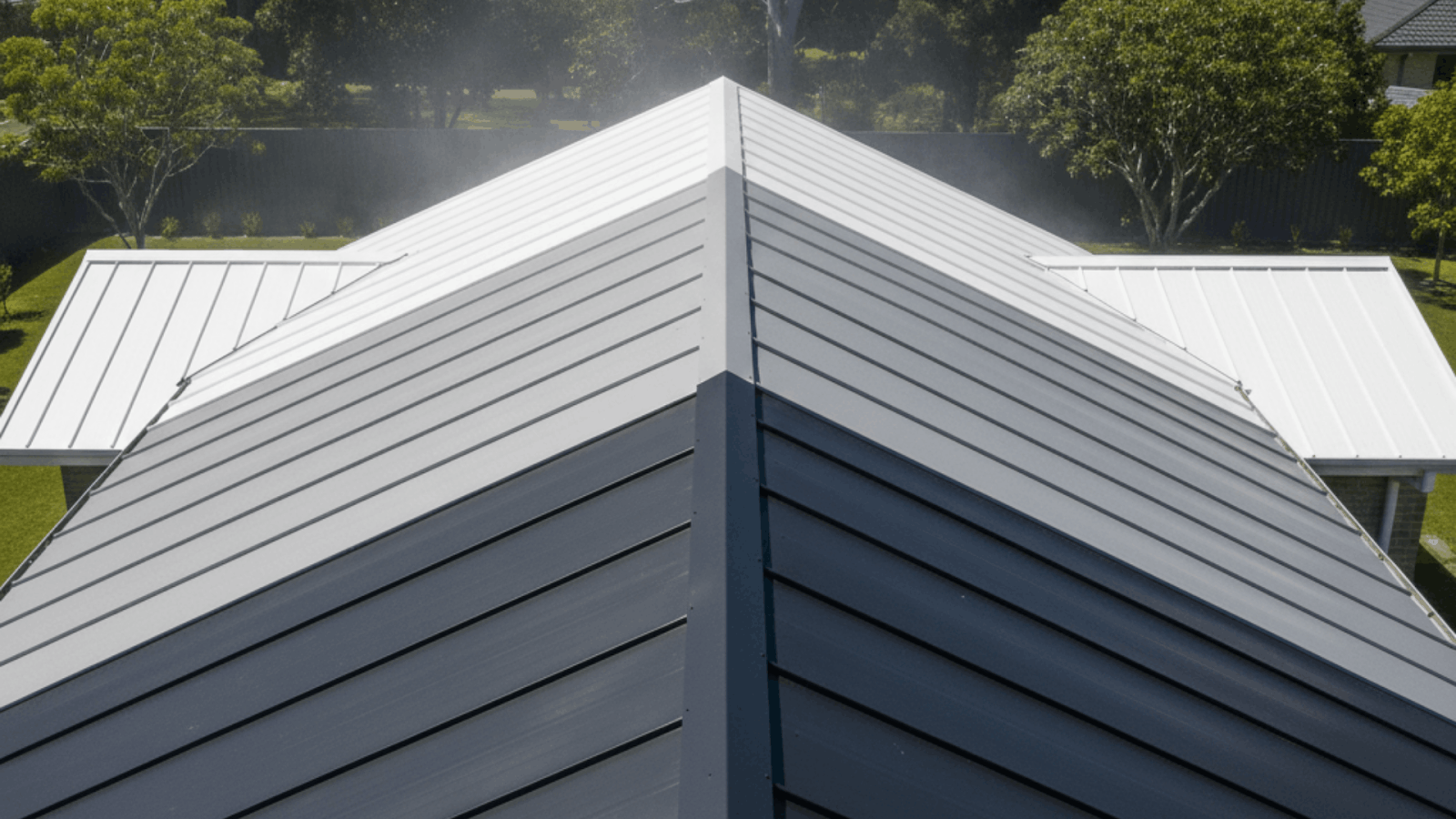
Roof color determines how much heat your home absorbs from the sun.
This effect is measured by the Solar Reflectance Index (SRI)—the higher the SRI, the more heat it reflects.
| Roof Type | Example Colors | Avg. SRI | Heat Reflection | Best For |
| Light Roof | White, Beige, Light Gray | 70–90 | High | Hot Climates |
| Medium Roof | Taupe, Medium Gray | 40–60 | Moderate | Mixed Climates |
| Dark Roof | Black, Charcoal, Brown | 0–30 | Low | Cold Climates |
| Note: However, homeowners often confuse roof surface temperature with indoor comfort. According to field data from the U.S. Department of Energy, reflective roofs can reduce surface temperatures by up to 50°F, but that translates to only 2–4°F cooler indoor air—especially in homes with adequate insulation. |
In regions with intense sun, light-colored or reflective “cool” roofs can make a noticeable difference. It can reduce the energy bills by decreasing air conditioning needs.
✅ Best Light Roof Colors for Hot Areas:
✅ Benefits:
| Caution: If your attic already has R-30 or higher insulation, the savings drop dramatically—often to just 3–5% overall energy impact. |
Explore reflective metal roofing color options designed for maximum comfort and savings.
If you live in a colder area, a dark roof helps absorb sunlight and retain warmth indoors. It can even help snow melt faster, preventing ice buildup on your roof.
✅ Best Dark Roof Colors for Cold Areas:
✅ Benefits:
| Quick Tip: Pair a dark roof with proper attic insulation to strike a balance between warmth and moisture prevention. |
For homes in regions with both hot summers and cold winters, medium-tone roofs offer the best of both worlds. Colors like taupe, weathered wood, or medium gray work well in changing climates.
Modern coatings now make even mid-tone and dark roofs energy efficient, so homeowners don’t have to sacrifice style for performance.
| Example: A medium-gray asphalt roof with cool pigment technology can reflect up to 40% of solar energy—nearly double that of traditional shingles. |
Roof color isn’t the only variable affecting home temperature. Several other factors amplify or limit performance:

Homeowners often ask, “Is this investment worthy?”
Here’s what studies reveal:
| Climate Type | Recommended Roof Type | Avg. Energy Bill Savings | Payback Period | Notes |
| Hot & Sunny | Light or Cool Roof | 10–25% cooling cost savings | 2–3 years | Best ROI with low-insulation homes |
| Cold Climate | Dark Roof | 5–15% heating savings | 4–6 years | Heating benefit offset by summer load |
| Mixed Climate | Medium-tone Reflective Roof | 8–18% balanced energy savings | 5 years | Great all-year performance |
For many homeowners, insulation upgrades pay back faster—about 3–4 years—and deliver greater comfort. Roof color is best treated as a secondary efficiency layer, not the foundation.
| Want to know your home’s potential savings? Get a free quote from Statewide Roofing Specialist today. |
Visit our Roof Replacement Services page for expert help selecting the best roof for your home.
Your roof color plays a major role in your home’s energy efficiency, comfort, and cost savings. Whether you go for a light-coloured roof to beat the heat or a darker tone to stay warm in winter, the right choice can make your home more sustainable and valuable.
Make the most of your investment with expert help from Statewide Roofing Specialist—where function meets style for every roof.
Light-colored roofs like white, beige, or light gray reflect sunlight, helping reduce indoor heat and lower cooling costs.
In warm climates, go lighter to reflect heat; in colder regions, darker roofs help retain warmth and reduce heating costs.
2–3 years in hot climates, 6+ years in colder ones—depending on insulation and usage.
Yes. Roof color affects how much heat your home absorbs or reflects, directly influencing your monthly energy consumption.
Absolutely. Adding reflective coatings or improving attic insulation can enhance energy efficiency without a full replacement.
Both matter—materials like metal or tile paired with reflective colors offer superior energy savings and longer roof lifespan.