Oct 13, 2026
Green Bay Hail Damage Roof Replacement: GAF Timberline HDZ in Barkwood



SUMMARY
|
North Carolina’s weather is harsh and unpredictable. Hurricanes, tropical storms, strong winds, and hail frequently impact homes across the state, putting constant pressure on roofing systems. According to NOAA data, North Carolina has experienced 121 billion-dollar weather disasters since 1980, making storm-related roof damage a common concern for homeowners.
Because of this ongoing exposure to severe weather, roof damage claims are a common reality across the state. But when a storm hits, one major question quickly follows: Is the damage covered by insurance? The answer typically depends on two key factors: the cause of the damage and the age or condition of the roof. Many homeowners find this confusing, especially when dealing with wind damage, older roofing systems, or post-storm inspection requirements.
This guide addresses common concerns by explaining how roof insurance coverage works and what North Carolina homeowners should know before filing a claim.
| Need Help with Roof Damage or Insurance Claims?- Don’t wait until small damage becomes a costly problem. Contact StateWide Roofing Specialist today for a professional roof inspection and expert guidance on your insurance claim. |
Living in a storm-prone state like North Carolina means homes are regularly exposed to hurricanes, tropical storms, high winds, and fluctuating weather conditions, which constantly stress roofing systems.
Tropical storms and hurricanes bring intense wind uplift, heavy rain, and flying debris that can compromise shingles and flashing. Heavy rain can cause shingles to lift, crack, or tear away, leaving the underlying roof structure exposed to leaks and water intrusion
Even outside of hurricanes, strong wind gusts from regular storms can loosen shingles and damage roofing materials. This is why wind damage to the roof and related insurance coverage are common concerns among homeowners.
Different seasons bring different threats. Spring storms, summer hurricanes, and winter wind events can all weaken roofs over time or cause sudden damage, increasing the likelihood of roof damage that may be covered by insurance.

Insurance policies generally cover sudden, accidental damage rather than gradual, developing issues. Understanding what qualifies as a covered event can help homeowners avoid confusion when filing a claim.
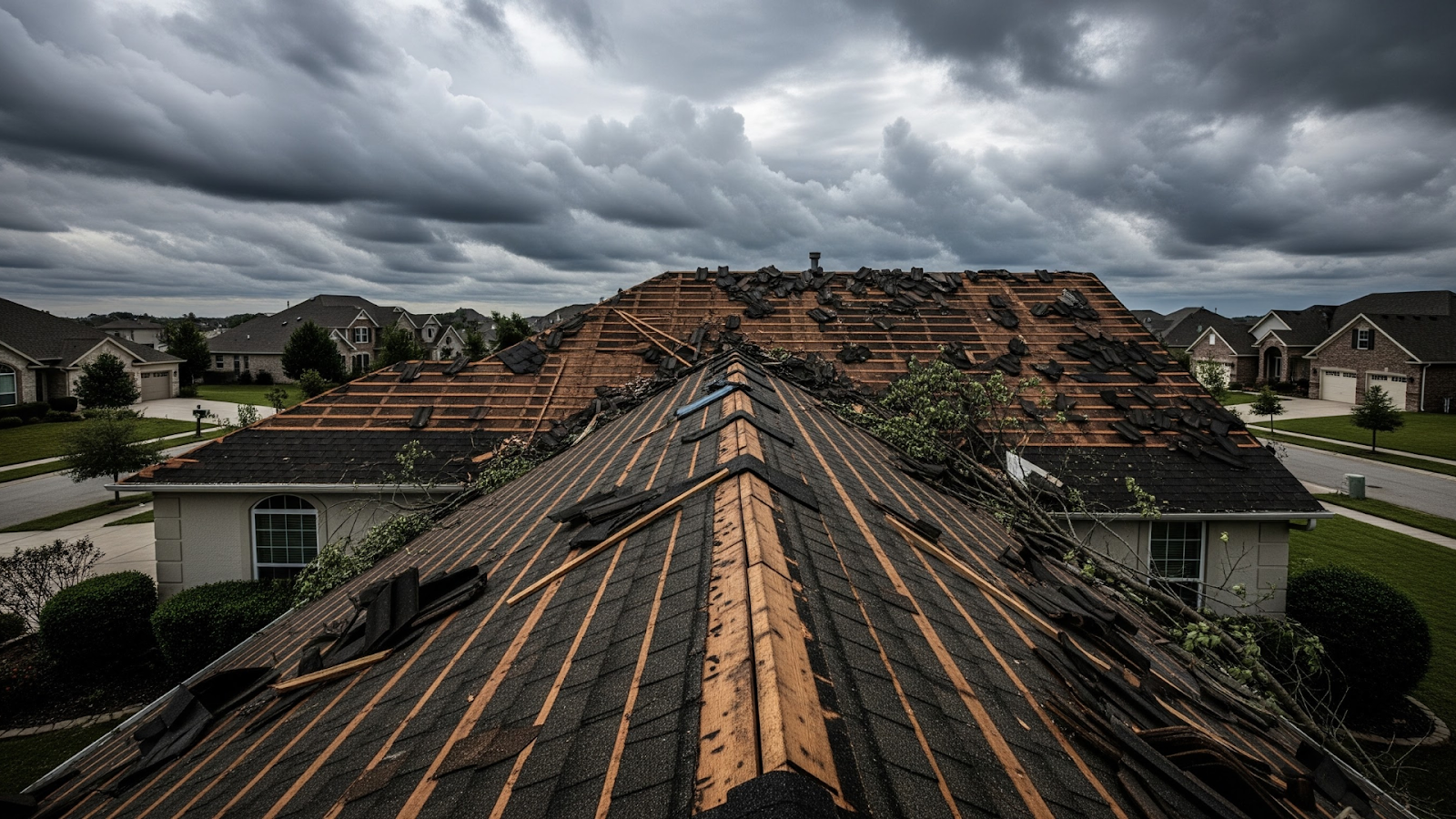
Most of the homeowners ask if the insurance covers wind damage to the roof. In most cases, it does if the damage is sudden and storm related. Coverage usually includes missing shingles, lifted flashing, or structural damage, but claims may be denied if the roof shows aging, neglect, or existing wear and tear.
| Did You Know?- The Insurance Institute for Business and Home Safety reports that 70 to 90 percent of catastrophic homeowners’ insurance claims involve roof damage, highlighting how central roofing is to insurance payouts. |
Hailstorms and falling debris, such as tree branches, are normally covered under standard policies. Damage coverage is done when the harm is visible and documented shortly after the storm. Timely inspections and clear photos can strengthen your claim.
Damage caused by fire, lightning strikes, or unexpected external impacts is typically covered because such events are considered sudden and unavoidable. These types of claims are often easier to validate because there is clear evidence of damage.
Insurance providers usually do not cover damage caused by gradual deterioration. This includes:
If damage develops slowly or results from an aging roof, insurers may deny the claim. Regular inspections and proper upkeep can help prevent coverage issues and improve your chances of approval.
Older roofs often fall into a gray area for insurance coverage. The likelihood of approval depends on the roof’s age and condition, as well as the type of policy (ACV vs. Replacement Cost).
Using the table below, homeowners can quickly compare coverage expectations for different roof ages:
| Roof Age | Coverage Likelihood | Policy Type | Notes |
| 20 years | Moderate | ACV / Replacement Cost | Coverage is possible if the roof is well-maintained; depreciation applies under ACV policies. |
| 30 years | Low | ACV / Replacement Cost | Higher risk of claim denial; partial or prorated payout possible; replacement may be required before renewal. |
| Max Age | Varies | Depends on the material | Asphalt shingles: 15–25 years; Metal or tile: longer lifespan, coverage may extend. |
Tip: Understanding how old your roof is for insurance purposes helps avoid claim surprises and ensures smoother approvals when filing for damage.
Wind damage is one of the most common roof insurance claims in the region, especially after strong storms. In many cases, insurance may cover the damage if it is sudden and caused by a verified weather event. Approval depends on the roof’s condition before the storm, the terms of your policy, and clear inspection evidence.
Typical signs include:

Many insurance companies use a structured evaluation process before approving any roof damage claim. Their main goal is to confirm that the damage is sudden, covered under the policy, and not caused by aging or neglect.
A professional inspection plays a critical role in validating damage and strengthening a claim. Roofing contractors and insurance adjusters carefully assess the overall condition of the roof and document any visible issues.
A standard inspection typically includes:
| Do You Know?- A study from North Carolina State University found that homes with fortified roofs had about 35 percent fewer insurance claims after hurricanes, showing the value of proactive inspections and stronger roofing systems. |
Timing can significantly impact claim approval. Homeowners should consider scheduling a roof inspection as soon as possible after severe weather. Early inspections help create a clear timeline of damage, making it easier to prove the cause and prevent disputes.
Key moments include:
Filing a roof insurance claim requires preparation and clear documentation. Start by taking photos of the damage and scheduling a professional inspection to create a strong record. You should also communicate with your insurance adjuster.
The process typically includes:
If you’re unsure how to move forward, explore our roof insurance claims assistance to see how we help homeowners handle inspections, documentation, and approvals with confidence.
Repair costs vary widely depending on the extent of damage, roof size, and materials used.
Using a table makes it easier for homeowners to understand potential out-of-pocket expenses:
| Repair Type | Cost Range | Notes |
| Minor Repair | $100–$500 | Small leaks, single shingle replacements, and minor patching. |
| Moderate Repair | $1,000–$5,000 | Larger sections repaired, minor structural fixes, moderate storm damage. |
| Full Replacement | $8,000–$20,000+ | Entire roof replacement; cost depends on material type (asphalt, metal, tile) and roof size. |
| Tip:- A Even if insurance denies coverage, getting accurate estimates from a certified contractor ensures you know the financial impact before proceeding with repairs. For a full cost breakdown, see our guide on roof repair costs. |
Local experience matters when your roof has storm damage.
Homeowners trust StateWide Roofing Specialist for several reasons:
From initial inspections to final repairs, working with a trusted local contractor can make the insurance process smoother and far less stressful. With thorough, documented storm inspections, our specialist provides precise assessments, strengthens your insurance claim, and ensures your roof is protected against North Carolina’s unpredictable weather.
Yes, homeowners’ insurance usually covers roof damage caused by sudden events like storms, wind, hail, fire, or falling debris. However, damage from aging, neglect, or poor maintenance is typically excluded and may lead to claim denial.
You typically need photos of the damage, inspection reports, repair estimates, and proof of the storm date. Detailed documentation helps prove the damage is recent and prevents insurers from blaming pre-existing wear or neglect.
A roof inspection includes checking shingles, flashing, seals, and structural integrity. Inspectors also document visible storm damage with photos and notes, which helps determine whether the damage qualifies for insurance coverage or requires repairs.
Proof of wind damage usually involves a professional inspection, verification of the storm date, and photographic documentation of missing shingles, uplift, or debris impact. Combining inspection reports with local weather data strengthens your insurance claim.
Yes, experienced roofing contractors can inspect damage, provide documentation, and communicate with insurance adjusters. Their reports often help validate storm-related damage and improve your chances of claim approval or successful appeal.