Oct 13, 2026
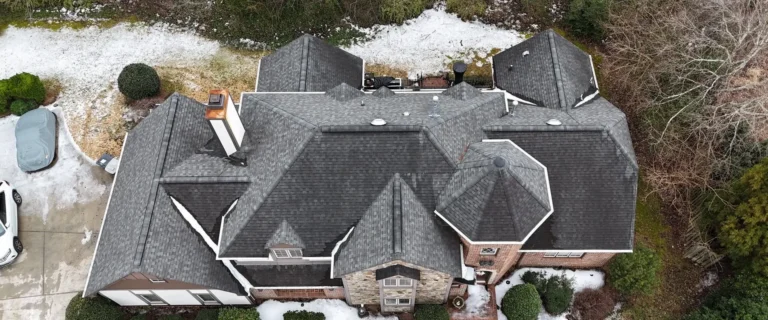
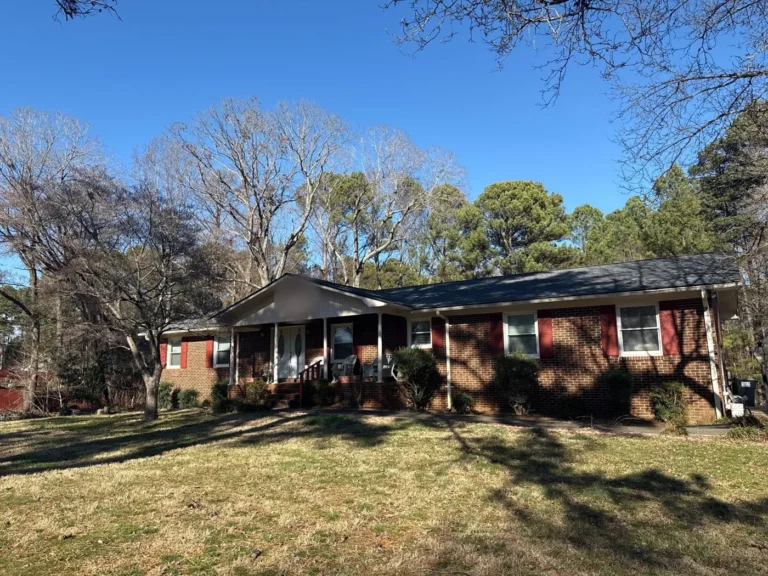
Green Bay Hail Damage Roof Replacement: GAF Timberline HDZ in Barkwood



Summary
|
A strong roof isn’t just an expense — it’s your home’s shield against storms, leaks, and costly repairs. However, for many homeowners, the thought of replacing a roof can feel stressful, especially if your credit isn’t perfect. Fortunately, you don’t need a flawless credit score to keep your home safe.
In fact, even with bad credit, roof financing for bad credit is completely possible in 2026. Thanks to new loan options, flexible contractor payment plans, and government programs, financing a roof is now easier and more accessible than ever. Whether your roof is leaking, damaged by storms, or simply showing its age, the right plan can help you get it replaced quickly — without emptying your savings.
With that in mind, the next step is understanding why roof financing matters more than ever and how much a replacement may cost, so you can make the best choice for your home.
Roof replacement costs have steadily increased due to rising material and labor prices. According to stats, the average U.S. roof replacement cost in 2026 is $9,522, with most homeowners spending between $5,868 and $13,215 for a full replacement. Premium materials or complex jobs can easily exceed $25,000.
Delaying a replacement can lead to leaks, mold, and structural damage — all of which are far more expensive to repair. That’s why financing for a new roof is crucial. It lets you spread costs over time, act quickly, and protect your home without draining your savings.
Average Roof Replacement Costs by Material
| Material | Cost per Square Foot | Average Total Cost (1,200 sq. ft.) |
| Asphalt Shingles | $1.50–$4 | $1,800–$4,800 |
| Architectural Shingles | $6.40 | $7,680 |
| Standing Seam Metal | $16.00 | $19,200 |
| Copper | $30–$50 | $36,000–$60,000 |
| Synthetic Tile/Shake | $15–$20 | $18,000–$24,000 |
| Clay/Concrete Tile | Up to $14.68 | $17,616 |
| Slate | $25–$30 | $30,000–$36,000 |
| Flat Roofing (EPDM/PVC/TPO) | $14 | $16,800 |
With these figures in mind, you can see why roof financing has become a vital tool for homeowners — especially those dealing with credit challenges.

Answer is – Yes!!
Even if your credit score is less than ideal, you still have options for roof financing for bad credit. Several paths are available: personal loans, government-backed programs, home equity solutions, and in-house contractor financing.
The key is choosing the option that best fits your financial situation.
Here are all the top financing paths so you can make an informed decision.
Here’s a practical breakdown of the most effective ways to finance a new roof, even with bad credit:
Tip: Compare multiple lenders to find the lowest APR — even a small difference can save thousands over time. |
Note: Missing payments could risk foreclosure. |
Tip: Ask about $0 down or low-interest introductory plans to start your roof replacement immediately without draining your savings. |
Even if traditional loans aren’t an option, you can take advantage of federal or local programs:
If something sounds too good to be true, it probably is—always verify licensing, ask for references, and use a contract you understand.
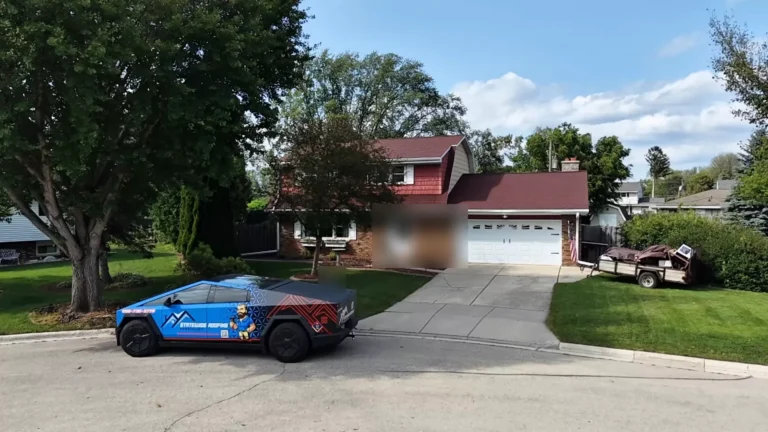
With Statewide Roofing Specialists, financing and installation are handled together, making the process simpler, faster, and safer for you.
Replacing a roof is a major home investment, but it doesn’t have to be overwhelming, even with bad credit. By understanding the costs, exploring financing options, and considering government-backed programs, homeowners can make informed decisions and manage expenses effectively.
With careful planning and the right resources, it’s possible to maintain a safe, durable, and long-lasting roof while keeping financial stress to a minimum.
Yes! options include FHA Title I loans, USDA grants, personal loans, or contractor plans with flexible terms.
Some lenders approve borrowers with scores as low as 580, depending on income and debt ratio.
Check for local grants, USDA rural programs, or in-house contractor financing that allows low monthly payments.
Yes! Delaying a roof replacement can lead to higher structural repair costs later.
Typically 5–10%, depending on the lender or program.
Yes! FHA and contractor plans often cover premium roof materials like metal or tile.
Statewide Roofing Specialists offers local, flexible roof financing across the state.
Be cautious. Verify total loan cost and contract terms — avoid misleading “no credit check” offers that hide high fees.